She escaped a lynch mob, then died in prison. Lawrence activists want to commemorate her
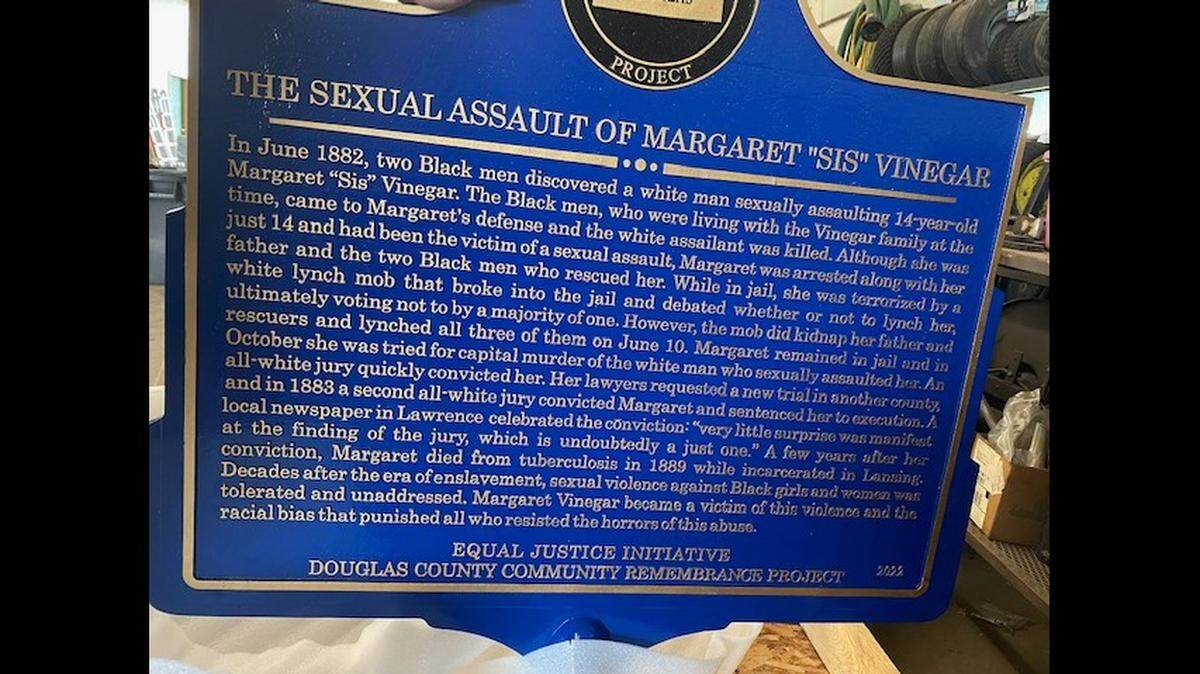
In 1882, the body of a white man floated down the Kansas river near Lawrence. The man, in his mid-40s, had been accused of having sex with a 14-year-old Black girl.
Soon after, the girl was arrested for his murder along with her father and two other men. Each of the men were lynched.
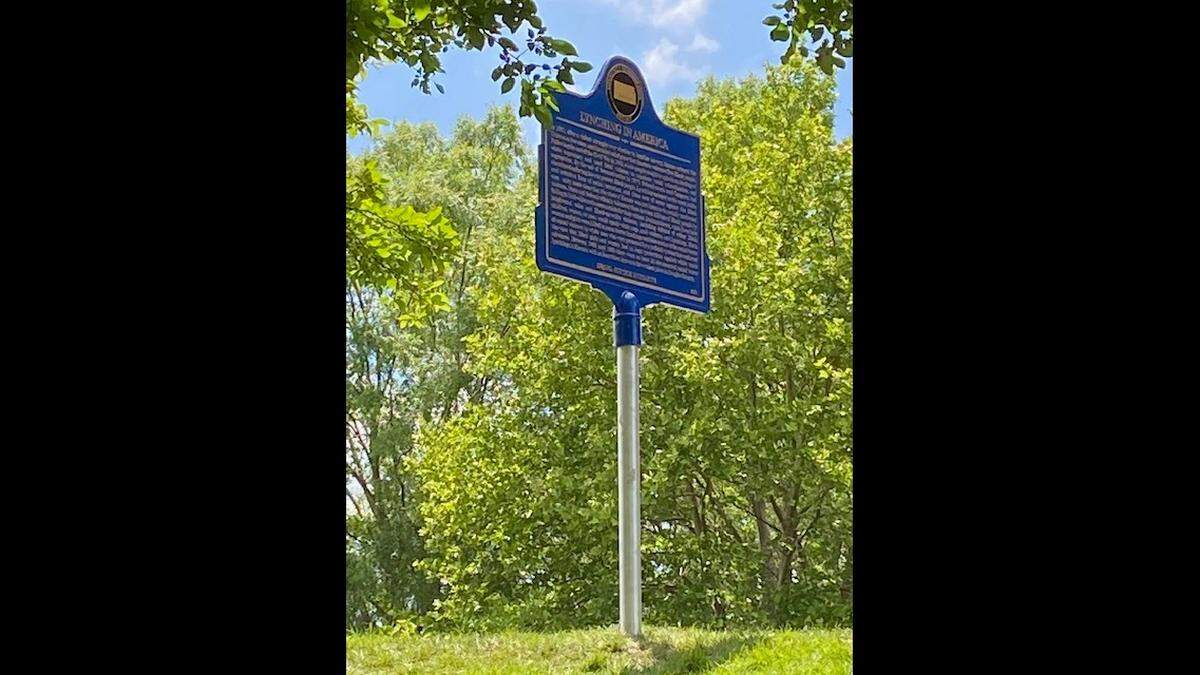
A historical marker, built in 2022, memorializes the murder of the three men — Pete Vinegar, Isaac King and George Robertson.
But little is left to remember the young girl, Margaret “Sis” Vinegar, who narrowly escaped the lynch mob and spent her remaining years, until the age of 20, toiling in a women’s prison without a proper trial.
President of the Lawrence NAACP Ursula Minor is looking to change that.
Her team has spent the last year designing a structure to memorialize the life of Margaret Vinegar and are waiting for the marker to be approved by multiple committees with the city.
Minor believes that there are many more people, especially Black women, whose stories have been silenced or forgotten since Lawrence was segregated. She expects her group to uncover their stories through a grant project investigating the unmarked graves of Black people around the city, alongside the Equal Justice Initiative, a nonprofit organization supporting prisoners without representation.
“Black women were sexually assaulted at will and they couldn’t do anything about it to fight back,” she said. “It’s happened time and time again over history.”
Though she was born and raised in Lawrence, even Minor was unfamiliar with Vinegar’s story. It took multiple visits to the county’s local history museum and the digging up of old newspaper clippings to find any information on the 14 year old.
Many of the documents Minor discovered referred to the young girl as a “prostitute”, but never a child, she said. Few records detail how the 14 year old lived her life.
“That’s why we’re putting up markers… So that people know even though Kansas was declared a free state it was not that free,” Minor said.
“She deserves a marker just like the men do.”
Margaret Vinegar
Most details surrounding the life of Vinegar were swept under the rug out of fear of persecution, according to Minor.
After David Bausman’s body appeared on June 10, 1882 in the Kansas River, all three of the men and Margaret Vinegar were arrested on suspicion of murder.
Neither the 14 year old nor the three men received a proper trial. Instead, a mob broke into the jail with sledgehammers at 1 a.m. Each of the men were dragged to the Kansas River bridge, lynched and buried in unmarked graves.
The mob considered killing Vinegar, but after further debate the group decided to leave her in jail. An all-white jury sentenced her to death for Bausman’s murder.
Vinegar lived at the Kansas State Penitentiary in Lansing until 1916, when she died of tuberculosis.
It is unclear whether she was buried in the Lansing Prison Cemetery or moved into a different location.
Unmarked graves
Minor’s team has shared information about Vinegar through community presentations, but some white community members refuse to believe her story.
“It is in the newspapers, in black and white it’s there,” Minor said.
“A lot of people are just now coming to the realization that this has happened and [modern day lynchings, shootings] are still happening.”
Minor is enlisting volunteers to help share the stories of more Black people buried in unmarked graves, in the hopes of erecting a marker highlighting the lives of those unable to receive a proper burial.
Researchers will use grant funding to identify and share the stories of Black bodies that have been claimed. Her team is also reaching out to community members in an effort to identify some of the people buried in unmarked graves.
One spot known as Potter’s Field in Oak Hill Cemetery, 16505 Oak Hill Avenue in East Lawrence, has no marker. Yet it is notorious for holding unidentified Black bodies.
Minor believes its where Vinegar’s father and the two other lynched Black men were buried.
“We at least want to get a sign there right away,” she said.
The team also plans to build a marker at the Douglas County Lewis Crowder Cemetery, which is suspected of having many unidentified Black bodies.
“There might be family out there or it could prompt someone to search for more information about their own families,” Minor said.
“Or, people could just sit and read about these people and understand their stories. That would be enough.”
.jpeg "IMG_062_fitted (1).jpeg")
This story was originally published February 23, 2023 at 6:00 AM.