
What charges are on a KC Water bill? How to understand your bill and fix errors
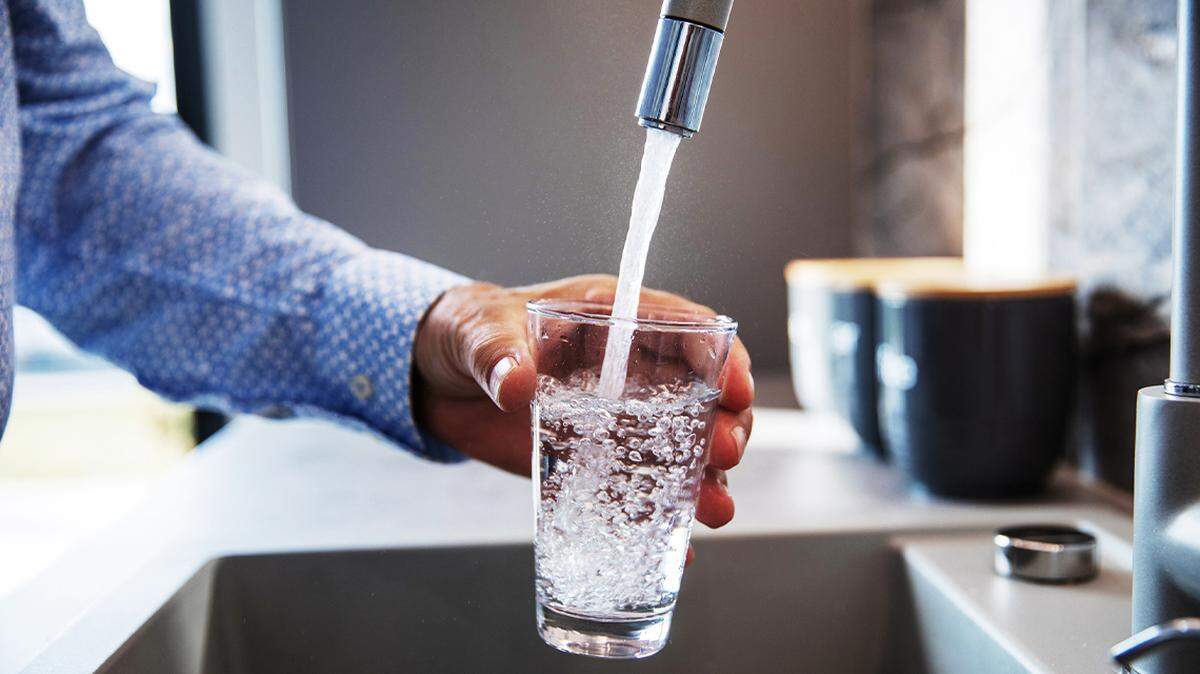
Most residents of Kansas City, Missouri get their water from one provider: KC Water.
The city water department gets its water from the Missouri River, purifying it before supplying it to around 170,000 Kansas City homes and businesses each year. It also collects and processes the city’s wastewater, cleaning it again before releasing it back into the river.
While you may not think much about the monthly charge you pay for water — unless it’s unexpectedly high — there’s more to a water bill than first meets the eye. A typical KC Water bill includes five charges. Here’s what they all mean, and some things to consider if your bill seems out of the ordinary.
What charges make up a KC Water bill?
Water Service Charge: This is a fixed cost that varies a little based on the number of days in the billing cycle, but does not change based on the amount of water you use.
This charge helps pay for routine maintenance and ongoing infrastructure projects rather than for the water itself.
Water Usage Charge: This is a volumetric charge for water, meaning it varies on your bill depending on the actual volume of water you use.
This is typically measured using a water meter in your home. This meter, and the Automatic Meter Reader or AMR that’s attached to it, is installed and maintained by KC Water. Keep reading to learn more about this equipment.
Wastewater Service Charge: This is a fixed cost that varies a little based on the number of days in the billing cycle, but does not change based on the amount of wastewater you produce.
This charge helps pay for wastewater treatment infrastructure like pipes, pumps, treatment plants and more.
Wastewater Volume Charge: This charge pays to treat the dirty water that goes down drains in your home.
During the first four months of the year, this charge is based on the actual amount of water that you use in your home — since most of it goes down your drains.
During the rest of the year, KC Water uses the average of these four months’ usage to charge customers for wastewater treatment by volume. That’s because less water goes down drains in May through December due to activities like watering lawns, washing cars and filling pools.
Stormwater Charges: This amount is based on the amount of “runoff surface” on your property.
A runoff surface is any material layer that doesn’t allow water to sink into the ground, instead causing it to flow to a storm drain. This includes rooftops, paved areas, patios and parking lots. It doesn’t include wooden decks or gravel areas with dirt underneath.
The current billing rate for stormwater is $0.50 per 500 square feet of runoff surface per month. You’ll likely see a daily rate listed on your bill that corresponds with the runoff surface on your property. This is usually the lowest charge you will see on your water bill.
How does KC Water calculate water usage?
Your KC Water bill is based in part on your water usage in CCF. One CCF is equivalent to 748 gallons of water. You can find your usage at the top of the second page of your bill in the box labeled “Usage CCF.”
Your water usage is calculated using a water meter. This device measures the amount of water that flows through it using a spinning disk that rotates as water moves past it.
This usage data is then stored in a device called an automated meter-reader or AMR, which sends data digitally to a wireless receiver in your neighborhood. KC Water’s billing system uses this data to determine your bill each month.
You can check your measured water usage on your online account to see how much water your meter is measuring during a given period of time.
The vast majority of KC Water customers receive bills based on this measurement.
What happens when KC Water can’t read your meter correctly?
In some cases, the AMR device can’t read the amount of water recorded by a customer’s meter. When this happens, KC Water told The Star it makes an estimate of how much water you likely used by taking a three-month average of your usage the previous year.
For example, an estimate for July of 2022 would take the average of your usage from June, July and August of 2021. City spokesperson Sherae Honeycutt told The Star that around 3% of KC Water customers received estimated bills last year.
KC Water deputy director Celeste Tucker told The Star that usage estimates are reviewed for accuracy before appearing on customers’ bills. She said the department investigates situations when an estimate is 10 or more CCF higher than the customer has used during any billing period in the current or previous year. Ten CCF is equal to 7,480 gallons.
The city did not respond to questions about how often these estimates are flagged for review, or what types of internal errors may cause them to be higher than expected.
Customers won’t find out about a faulty meter or AMR until they receive a bill based on an estimate. The notice is in red text on the second page of your bill.
Tucker added that after three months of estimates, KC Water will send a notice asking customers to contact the department if their meter is indoors where technicians need an appointment to access it.
Otherwise, reading your bill thoroughly is the only way to find out the department is estimating your usage.
What should I do if my water bill seems wrong?
High bills can be caused by a number of factors: an inaccurate estimate, leaky pipes or appliances, a malfunctioning water meter or a broken automatic meter reader, or AMR.
The Star heard from several customers who say KC Water told them to hire a plumber to check their home for leaks when they got water bills that seemed far too high. Tucker said that if customers receive a bill they believe is inaccurate, they should contact KC Water.
“Those situations are reviewed based on the customer’s history (and) the information that they provide,” she said. You can contact KC Water by calling 816-513-1313 and choosing option one or by calling 311.
Do you have more questions about water bills in Kansas City? Are you struggling with a water bill that seems out of the ordinary? Tell the Service Journalism team at kcq@kcstar.com.
.jpg)