
Affordable housing is on the ballot in Kansas City. What to know about the bond question
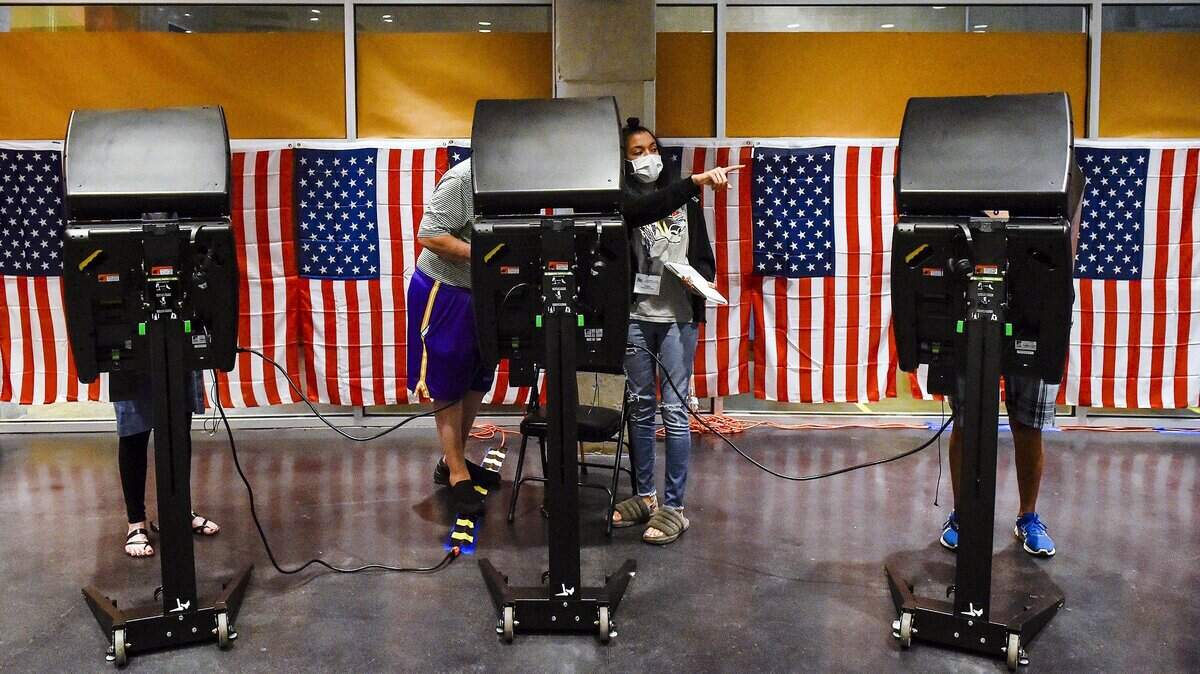
In the Nov. 8 election, Kansas City voters will decide on a bond initiative that would put $50 million towards affordable housing initiatives in the city.
The affordable housing bond question will be one of two bond initiatives on the ballot. The other question will ask whether or not voters approve of $125 million in bonds to go towards projects like convention center maintenance, city parks and local community centers.
The money will come from a general obligation bond, which is typically paid back through city taxes. In this case, the city is already paying an existing bond note, so this new bond note will replace the old one once it’s paid off, which means it won’t raise taxes further.
In order for either initiative to pass, there has to be a supermajority, which means roughly 57% of voters need to vote yes.
Here’s the exact language you will see on the ballot about affordable housing:
Shall the City of Kansas City, Missouri issue its general obligation bonds in an amount not to exceed $50,000,000.00 for the purpose of affordable housing through the rehabilitation, renovation, and construction of houses and buildings, including blight removal, to provide affordable housing for very low- to moderate-income households?
Affordable Housing Trust Fund
The question would give $50 million to the city’s affordable housing trust fund, which is a pot of government money that funds affordable housing projects across the city. It was created in 2018.
In October, the city council passed a resolution that will make the $50 million specifically designated for projects serving households at 30% or below the area median income (AMI), which is 23,250 for a two person household.
Kansas City does not have enough housing for its lowest income renters, who make 30% of the average median income or less. The city reported in September that it’s 27,000 units short of being able to house renters in this lowest income group.
So far, $25 million in federal American Rescue Plan money has been allocated to the fund, and $10.5 million in local dollars was reallocated to the fund instead of to a tax break for a large Chicago-based real estate developer to be distributed over 25 years.
The Housing Trust Fund has invested $7.9 million, which led to the creation of 500 affordable housing units.
By investing an additional $50 million into the fund, the city will get closer to its original goal of investing $75 million into the trust fund to pay for affordable housing in the city.
How does the housing trust fund work?
The fund can give grants or low interest loans to developers or other community groups that apply. The fund can also give money to projects beyond just new developments, including programs that rehabilitate existing housing, help tenants purchase their building and become owners, and programs that help lower income homeowners to maintain and keep their homes.
How does the city decide how to use the money in the affordable housing trust fund?
Mayor Quinton Lucas appointed a nine-person board to help the city figure out which affordable housing projects it should invest in, prioritize projects that will stay affordable over longer periods of time and are accessible to lower income residents.
The Housing Trust Fund board will review applications twice a year and give recommendations to the City Council, which will give each project a final review.
If the bond initiative is passed, how long will it take until we see improvements?
If the majority of voters vote yes, the money will be distributed over the course of the next five years.
The city would distribute $15 million toward the trust fund in the first year, according to city spokesperson Morgan Said.
If you want to learn more about the city’s affordable housing trust fund, visit here.