These two police departments in the KC area had the most untested rape kits in Missouri
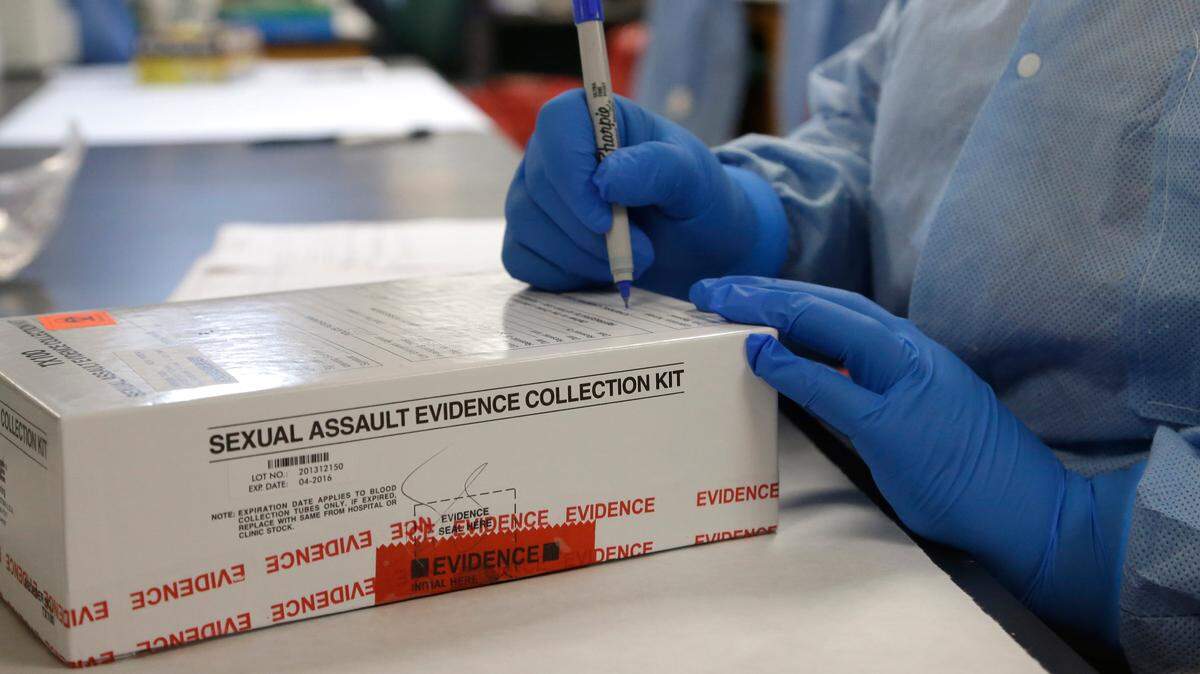
Kansas City and Independence had the highest number of untested rape kits in the state, according to an August report released by the Missouri Attorney General’s Office.
The Kansas City Police Department had 190 untested kits while the Independence Police Department reported 156. The third most was the St. Louis County Police Department with 79. While Kansas City has the largest population in Missouri, Independence ranks fifth, census data shows.
The numbers represent a snapshot of the status of rape kits in law enforcement custody across the state. Evidence from the kits can be key to solving cases, but only if they are processed for DNA.
Though widely recognized as a crucial part of criminal investigations, sexual assault kits have sat untested in police property rooms as widespread backlogs across the country in recent years were brought to light.
There were 1,536 untested kits in Missouri, with the Kansas City area accounting for nearly one-third of that total, the 2022 report shows.
These were “reported” kits, meaning the survivor filed a police report. Another 769 kits were untested and “unreported,” meaning the survivor has not filed a report. It is a national best practice to not test the kit until the person wants to proceed, the attorney general’s office said.
According to the Kansas City Police Department, 292 rapes were reported last year. The KCPD and law enforcement agencies in the St. Louis area have their own crime labs. Kits from other parts of the state are generally sent to one of the Missouri State Highway Patrol’s three labs.
Earlier this year, the Police Foundation of Kansas City spent $340,000 on robots that can be used in the DNA testing process and will help reduce the backlog, said Capt. Leslie Foreman, a spokeswoman with the KCPD. The police department also added a forensic scientist and has plans to add more staff to support its lab’s operations.
The department’s 190 kits were reported cases, but testing had not been sought by a detective or prosecutor. They may not have made the request because the evidence would not impact the investigation, the case was beyond the statute of limitations or the victim was unavailable, Foreman said.
The 190 kits have been shipped to a private lab for testing, but testing has not been completed, Foreman said Tuesday.
Matthew Huffman, spokesman for the Missouri Coalition Against Domestic and Sexual Violence, said the higher number of kits could also indicate that Jackson County has more robust services which help survivors feel more comfortable coming forward.
The Independence Police Department said they regularly send kits to get processed. Officer Jack Taylor, a spokesman for the department, also said that some of the 156 reported kits were supposed to be unreported. They were incorrectly categorized by area hospitals which forced the department to list them as reported cases.
Statewide efforts
Missouri has made progress on the backlog. According to the 2019 inventory report, there were more than 4,400 untested kits.
Huffman attributes the improvement to better statewide coordination between police, prosecutors, hospitals and advocates, who can identify gaps in services and resources.
“We’re moving in a good direction while recognizing we still have a lot more to do,” he said.
The state appropriated $1.1 million for sexual assault kit testing in June. It is also developing a telehealth network for forensic examinations that will provide 24/7 access to a sexual assault nurse examiner. Implementation is expected to start next year.
Huffman said getting the kits tested is an important signal to the survivor and it can help a criminal case. Since the state launched the Sexual Assault Kit Initiative in 2018, there have been more than 250 DNA matches in the FBI’s DNA database known as CODIS.
“For those serial perpetrators of sexual violence, we’ve now been able to find that pattern ... it’s helping to really bring justice to survivors,” he said.
“Testing all of these kits, putting out this inventory report, part of the reason all of this work is because at a statewide level, it shows to survivors that Missouri is invested in developing a better statewide response, that as a state we’ve recognized we can be doing so much more to help sexual assault survivors.”
Survivors of sexual violence can get help by calling the Metropolitan Organization to Counter Sexual Assault. The Kansas crisis line can be reached at 913-642-0233. The Missouri hotline is at 816-531-0233.
The Star’s Kacen Bayless contributed to this story.
This story was originally published September 14, 2022 at 5:00 AM.