
Monarch butterflies are endangered. Here’s how to help them migrate through the Midwest
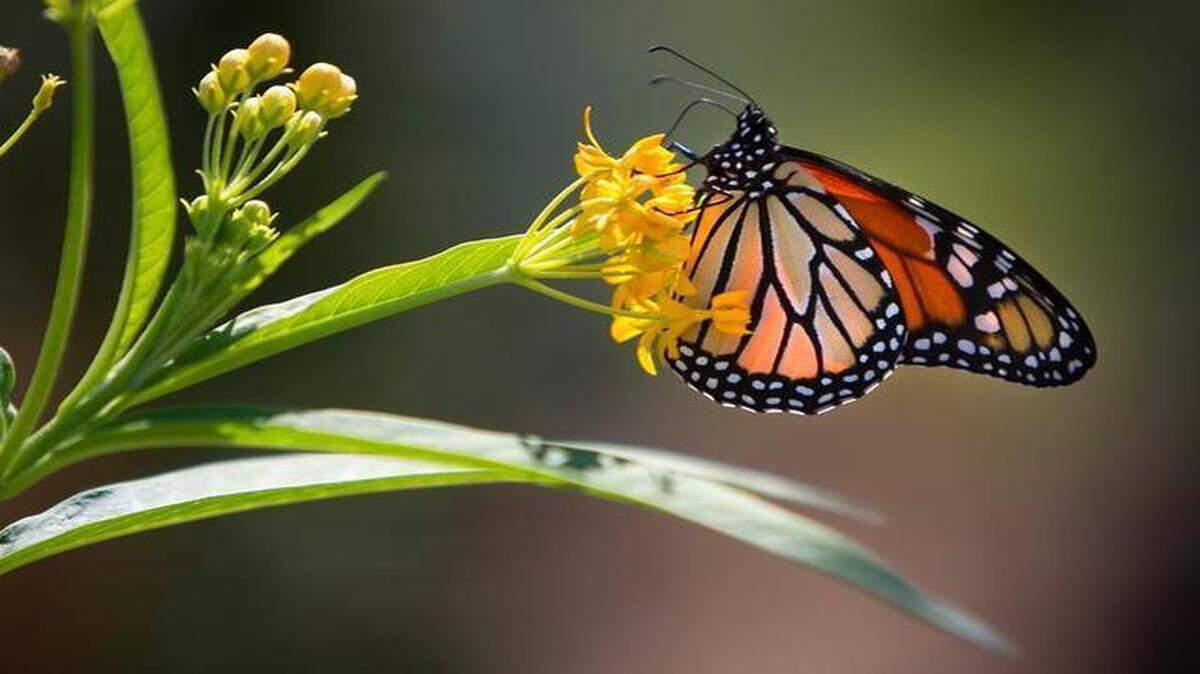
Monarch butterflies are some of the most recognizable and beloved insects in North America. But these iconic animals face a dire prognosis: On Thursday, the International Union for Conservation of Nature (IUCN) officially listed them as “endangered.”
“The native population… has shrunk by between 22% and 72% over the past decade,” the organization wrote in a press release Thursday. “Concern remains as to whether enough butterflies survive to maintain the populations and prevent extinction.”
The problem is even more pronounced in the Midwest, which the USDA calls “the core of the monarch’s migration route and breeding habitat.” Its Natural Resources Conservation Service is working with farmers in ten states, including Kansas and Missouri, to help the butterflies by planting more native milkweed.
But even if you don’t work in agriculture, there are still ways you can help support this delicate species. Here are a few tips from Dennis Patton, Johnson County’s K-State Extension Horticulture Agent. Note: Patton also writes a column on gardening for The Kansas City Star.
Plant native plants, especially milkweed
Milkweed is vitally important to monarch butterflies’ survival. That’s because adult butterflies will only lay their eggs on this plant. Patton told The Star that even a small amount of milkweed in a garden, window box or patio planter can help restore monarch butterfly populations.
“I’ve grown tropical milkweed in containers on my patio for years,” he said. “Giving them opportunities to find little pockets [of milkweed] here and there is better than nothing at all.”
Monarch butterflies also get their food from a number of native pollinator plants. They eat the nectar of flowers like clover, coneflower, wild bergamot and indigo. Many of these Midwestern native plants can make great additions to a yard, window box, balcony planter or community garden in your area.
Avoid all pesticides, even the organic stuff
Patton advised that pesticides used to kill mosquitoes and other insects can have unintended consequences for native butterflies.
“Eliminating any use of pesticides, especially insecticides, would be one [thing] that individuals can do,” he said. “Many organic products, they can’t tell the difference between a beneficial insect and a bad insect.”
If you’re hoping to keep other insects out of your space, consider using treatments like bug spray on yourself or citronella candles on your porch rather than spreading insect repellents around outdoors and onto your plants.
Donate or volunteer with butterfly conservation efforts
Many apartment-dwellers and other residents in Kansas City aren’t necessarily able to control what plants and chemicals are introduced into their neighborhoods. But if you have a little extra cash or some spare time on your hands, you can still help local organizations with their butterfly conservation efforts.
Patton recommended checking out the Monarch Watch program at the University of Kansas. This Lawrence-based nonprofit does important research on butterflies in the Midwest through tagging, tracking and monitoring populations. It also provides resources like free milkweed plants and instructions on creating “waystations” for migrating butterflies, which are small gardens they can use to rest and refuel during migration.
Other groups that support monarch butterflies include the nonprofit Missourians for Monarchs, the Monarch Butterfly Project at the Kansas City Zoo, the Burroughs Audubon Society’s monarch project and the nationwide research nonprofit Xerces Society.
Take steps to address climate change
According to the IUCN, climate change is a significant factor in the decline of monarch butterflies in North America.
“Drought limits the growth of milkweed and increases the frequency of catastrophic wildfires, temperature extremes trigger earlier migrations before milkweed is available, while severe weather has killed millions of butterflies,” the organization wrote.
“Climate change has significantly impacted the migratory monarch butterfly and is a fast-growing threat.”
Patton said that steps individuals take to reduce climate change could help the butterflies. In the past, The Star has reported about some ways to address climate change locally, like composting your food waste, reducing your reliance on fossil fuels and learning about local policies and plans intended to protect the environment.
“As with most environmental issues, there is not one easy fix,” Patton said. “Having that diverse, healthy ecosystem where [monarchs] can breed and reproduce is really what’s so important.”
Do you have more questions about wildlife conservation in and around Kansas City? Ask the Service Journalism team at kcq@kcstar.com.
.jpg)