
Faced with little choice, Overland Park approves last steps in Deer Creek development
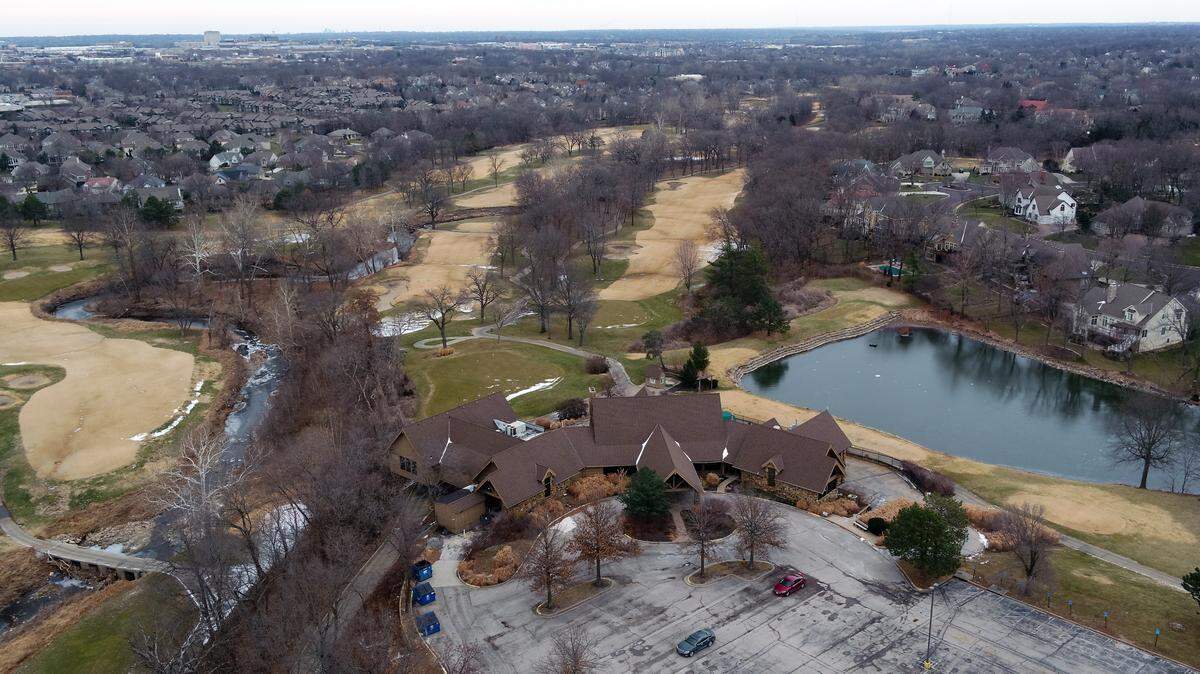
The final steps for the development of the Deer Creek Golf Course were approved by the Overland Park City Council Monday night, despite ongoing public outcry.
The council took the action with a 7-3 vote, with city staff and council members saying they had little choice.
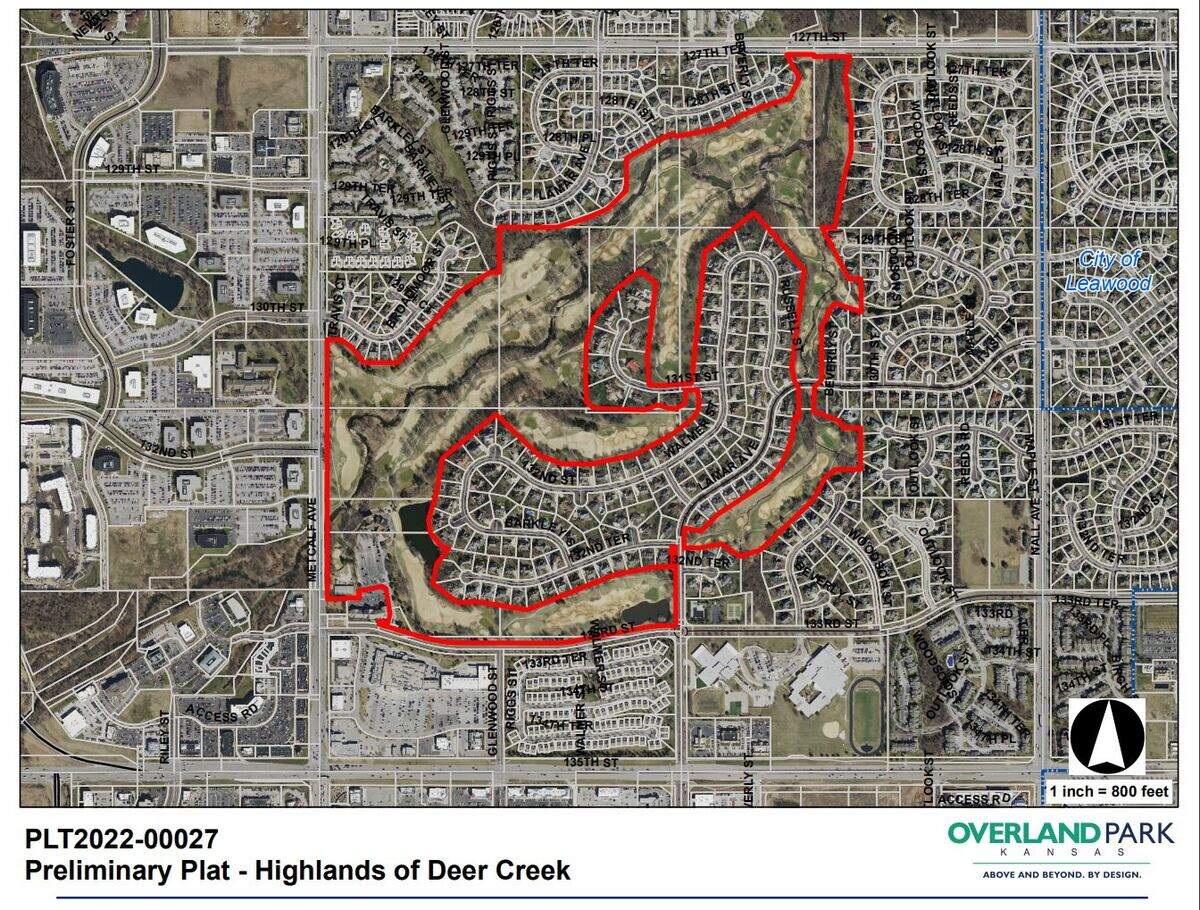
The city council approved the right-of-way for three final plats that will put over 60 single-family homes on the old golf course located at the northeastern corner of 133rd Street and Metcalf Avenue.
Community members voiced concerns at the meeting that with these new homes, their houses would have a street on two or three sides instead of just one. Many residents of the existing neighborhood said they bought their house because of its location on the golf course, and never thought the course would be anything but green space.
Councilmen Sam Passer, Scott Mosher and Scott Hamblin voted in dissent. Mayor Curt Skoog and council members Faris Farassati and Jeff Cox were absent from the meeting.
The city council did not have the option of voting to refuse approval of the development. Due to the single-family zoning of the property, the city planning commission had the final say.
The planning commission at its regular meeting June 13 voted 7-2 to approve one preliminary plat, a section of land, and the three final plats.
“The council’s only action in that process is to accept the streets and easements for public use, for public purposes,” Jack Messer, Overland Park Director of Planning and Development Services, said in an interview.
Despite neighbors’ anger about the development, the council was only deciding whether to allow the streets and other infrastructure to be public.
The difference between public and private streets
Many of the residents urged the council to vote no and make the streets private because they are the only elected officials in the process and the last line of defense against the project, but Messer said the streets would still exist even if they were private.
Messer said at the meeting that there would be no noticeable difference between the streets if they were private or public, because private streets have to be constructed to the city’s standards.
Messer said that hypothetically if the city decided not to make the roads public, they would potentially deteriorate to the point where it is infeasible for individual property owners to take care of them. He said that typically a homeowner’s association would organize the maintenance of the streets, but property owners would be paying for maintenance that the city usually does while still paying property taxes to the city.
He told the council that staff recommended approval of the public streets because they believe it would become a problem in 25-30 years.
“We should not build private streets. This is what we do,” Messer said. “This is why we accept public streets. And we accept that issue on behalf of the citizens of Overland Park, because it builds value throughout our city. It builds value to individual homeowners and it will build value here.”
Passer said he felt there were two bad decisions before them. He said if they voted no, the streets could be built private and the homeowners would be responsible for the infrastructure. If the infrastructure in the middle of Deer Creek decays though, the city will have to bail those homeowners out, he said.
“My fear is if we vote no, we are just exacerbating this problem,” Passer said.
He said he hears the thoughts and the pleading from homeowners, and doesn’t want to leave them with this problem.
“I don’t think this fits the need of the homeowners on that corner. I think that will destroy property values,” Mosher said.
The developer and owner, GreatLifeKC, first wanted to construct an apartment complex on the course, but the rezoning request was denied by Overland Park’s City Council, and the golf course officially closed in April.
The housing development is proposed to unfold in five phases, but no plan for phase five was submitted at the June planning commission meeting for approval.
Tomahawk Creek also runs through the northern part of the preliminary area. A substantial part of that is in the FEMA floodplain, though there are no plans to develop on the floodplain, according to city documents.
This story was originally published July 12, 2022 at 11:24 AM.