Racial disparity prevalent in traffic stops across Missouri. Here’s where KC area stands
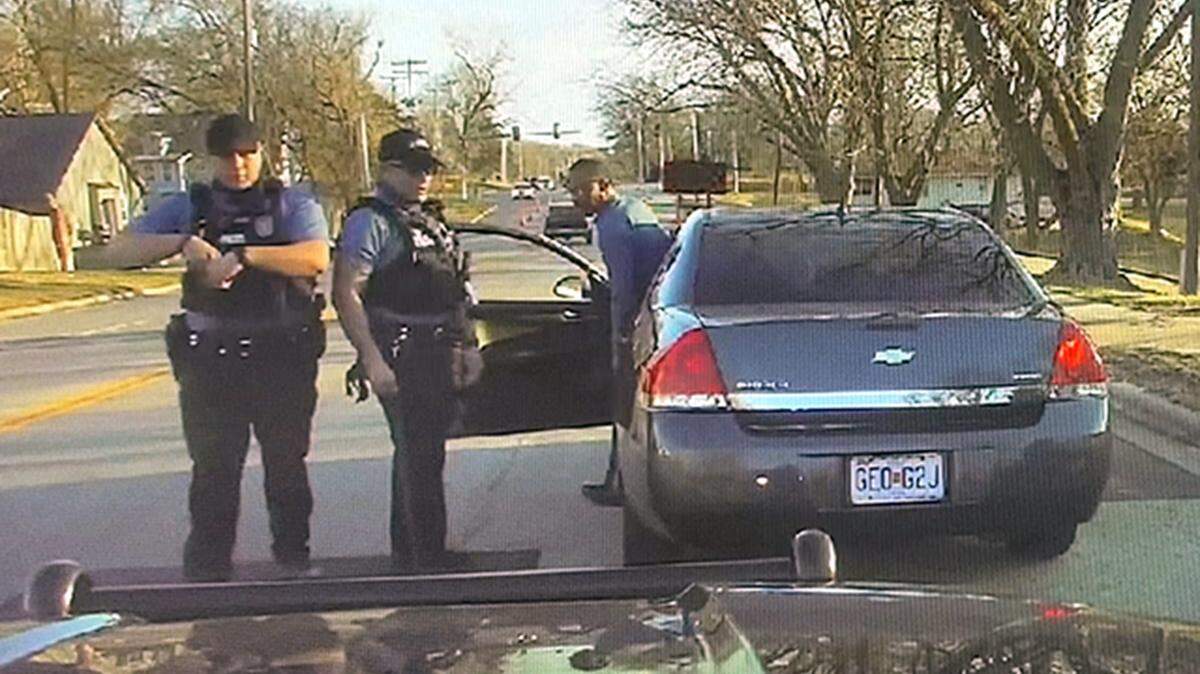
Racial disparities remain high in traffic stops in the Kansas City area and many parts of Missouri with Black drivers often more likely to be pulled over and searched by police, according to a new statewide report.
The report, which covers the 2021 calendar year, was released last week by the Missouri Attorney General’s Office.
Across the state, the data show Black motorists accounted for 18% of all traffic stops. Missouri is 11.8% Black, according to the U.S. Census. Black and Hispanic drivers were searched 8.5% and 7.9% of the time, respectively, compared to 6.8% of white motorists.
Stops, arrests and vehicle searches declined from 2019 through 2020 and remained lower in 2021 than before the COVID-19 pandemic.
The state’s disparity index, a figure calculated by comparing the number of traffic stops with population, has shown disproportionate stops for Black motorists have risen over the past 20 years. In 2019, Black drivers were 95% more likely to be pulled over by police than white drivers, marking the highpoint since the state started collecting the data.
The Kansas City Police Department recorded the most stops of any local agency with 42,190, though the rate at which drivers were stopped and the number of total searches was higher in many suburbs. Of those drivers, 13,766 — or roughly 33% — were Black. The city’s resident population is nearly 28% Black, accounting for a disparity index of 1.18 under the formula used in the report.
Searches were conducted in Kansas City on cars driven by Black people at nearly twice the rate as white residents. During those searches contraband was discovered in vehicles at the same rate as all drivers, about 34% of the time. The department did not respond with a comment in time for publication.
Two area agencies that topped the list for searching vehicles were the Clay County Sheriff’s Office and the Independence Police Department. In Independence, police made 12,000 stops and conducted 786 vehicle searches. Black drivers were stopped more often — at a rate of 32% — but searched less often than white drivers, according to the report.
The highest disparity index rates were found in smaller, mostly white suburban areas. For example, in Lake Tapawingo, population 921, Black drivers were stopped at a rate roughly 35 times that of other drivers. Of the 773 stops conducted, 90 were on Black drivers; the estimated Black population of the community was three in 2020. The police chief did not comment on the report.
Black motorists in Peculiar, Platte Woods, Smithville, Sugar Creek and Weatherby Lake had a stop rate 10 times or higher.
Missouri Attorney General Eric Schmitt said in the report that the data is meant to help police and the public contextualize yearly stops and discover areas for improvement, saying he hopes the information ensures people receive “the best possible service from our state’s law enforcement.”
The report uses data from 521 of the 595 law enforcement agencies in Missouri. Forty-one Missouri law enforcement agencies did not provide data to the attorney general’s office. The report describes these agencies as “non-compliant.”
The attorney general’s office has annually collected and compiled data provided by law enforcement agencies since 2000, a statutory requirement put in place in response to racial profiling concerns.