
KC surgeon knows trauma of gun violence. Recent mass shootings leave him devastated
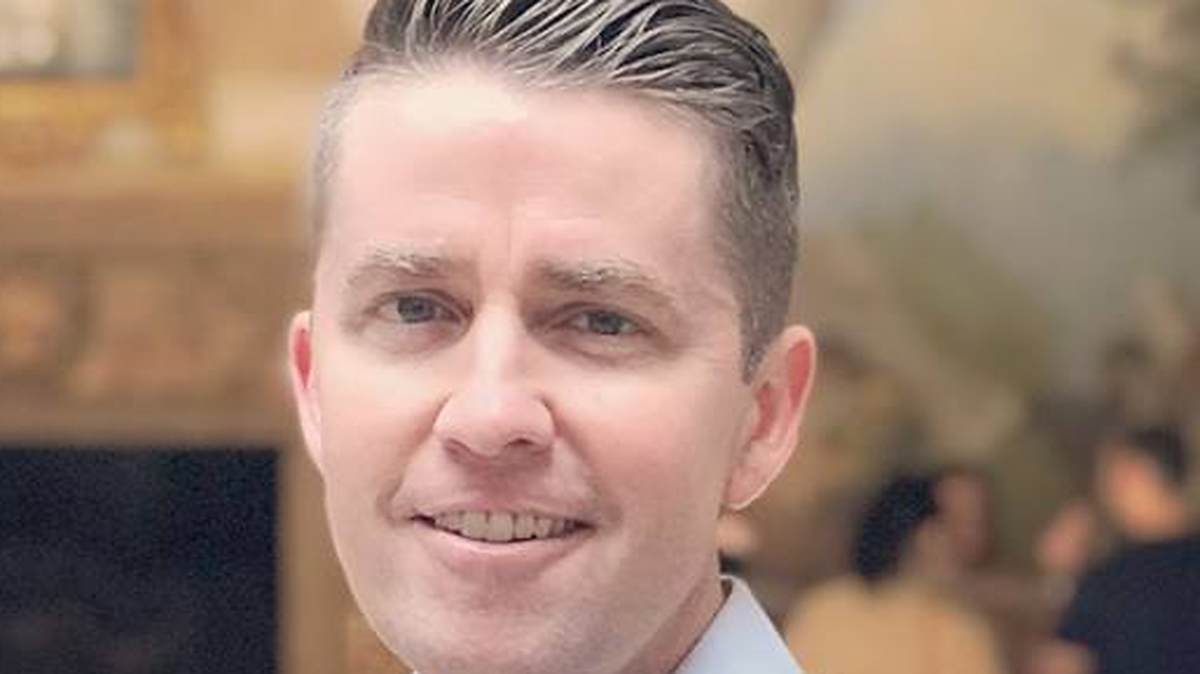
Dr. Robert Winfield has been reliving the worst day of his life.
It was four years ago this month. Two Wyandotte County deputies arrived in his trauma bay with severe gunshot wounds to the head.
Deputy Patrick Rohrer died a few minutes after his arrival. Deputy Theresa King made it until just after midnight before succumbing to her injuries.
“When you think you had a chance to get somebody back and give them a second chance to live, and it’s not successful, it’s heartbreaking,” Winfield said. “It’s just heartbreaking.”
That horrific day has been replaying in his head following the recent shootings at an Uvalde, Texas, elementary school and Tulsa, Oklahoma, medical center. Winfield, division chief of the trauma department at The University of Kansas Health System, has taken to Twitter to share his outpouring of emotions.
“I have no shortage of professional angst and personal emotion on this topic (particularly as I looked at my own 7 year old last night and this morning), but if I’ve learned anything … it’s the need for common ground as a starting point,” he wrote in a tweet.
And another: “I too want to express my outrage but that hasn’t & won’t foster change; it’s past time to stop shouting at one another. Let’s find common ground & end needless loss of life.”
Outside of the operating room, Winfield has worked to try to prevent gun violence.
His was first exposed to its direct impact while working at Barnes Jewish Hospital in St. Louis.
“In that job, I was seeing double-digit patients per day on a trauma call, at times, with firearm injuries,” Winfield said. “Mostly related to interpersonal violence.”
When he came to the KU system, his experience was no different.
Winfield has treated perhaps over 1,000 victims of gun violence, he estimates, most of them no older than 25.
When he learned of the recent mass shootings, his first thoughts were of his colleagues in the medical profession.
Uvalde, he said, “that one’s very hard, because it’s kids.”
“I think about how hard that must be for any of my peers and colleagues who are treating these patients at their center,” he added.
The shooting at the Tulsa medical center, however, was personal.
“My first thought, honestly, was the very first medical student I worked with at KU, Aaron Alvarado,” a Kansas City native, he said. “He’s a surgery resident at OU Tulsa, and Saint Francis Hospital is one of the hospitals that they rotate at.
I reached out to him and, actually, it made me very nervous because I didn’t hear from him for a couple of hours.”
“This happened in Tulsa but it intimately affects someone from Kansas City,” he added.
Though mass shootings get the headlines, it’s just as important to address day-to-day gun violence, he said.
“The public perception is that this is people engaging in illegal activities, who are involved in shootings, and the reality is that it oftentimes is not,” he said. “It’s bystanders, it’s people who are involved in domestic violence or intimate partner violence episodes.”
To help address the issue, Winfield has been working with area organizations through a grant partnership with the Centers for Disease Control and Prevention.
“Our CDC grant really focuses on addressing social factors associated with violent incidents,” Winfield said.
Called, REVIVE, Reducing the Effects of Violence through Intervention and Victim Empowerment, the program is a collaboration among the Ad Hoc Group Against Crime, Wyandotte County Community Corrections, the KU health system and a federally funded grant program based at KU called ThrYve, Together Helping Reduce Youth Violence for Equity, according to their website.
“The focus in REVIVE is really to identify youth who have either already been injured in a violent episode, or youth who are at risk for violent episodes, based on exposure to these events,” he said.
Some of the identifying factors can include food insecurity and having safe transportation, Winfield said.
“Violence is a symptom,” he said.
The fallout of gun violence continues long after someone is shot, and survives.
“People who survive, oftentimes you’re dealing with injuries that are going to cause chronic pain, injuries that are going to cause chronic disability, and prevent them from being able to live completely full lives,” he said.
The success stories often perpetuate a false narrative.
“Most of those stories involve people who have tremendous resources at their disposal, to be able to physically recover and also to receive the mental health support that they need after,” he said. “Most people don’t have access to the amount or type of resources that are needed to make that complete recovery.”
Entire communities are affected by gun violence.
“The thing I think that people, again, have to understand is that ripple effect across the entire community,” he said. “If somebody survives, they end up with pain or disability, that’s an impact on their life, it’s an impact on the lives of the people around them - if they don’t survive, communities are losing mothers, sisters, fathers, sons, brothers, aunts, uncles and so forth.”
“That’s a portion of the community that’s just gone at that point, and every person who came into contact with that person, they’re now missing that portion of their lives.”
For some area resources on gun violence, visit: wethryve.ctb.ku.edu or adhocgroupkc.com.