Johnson County has biggest gender pay gap in the KC metro, study finds. Here’s how much
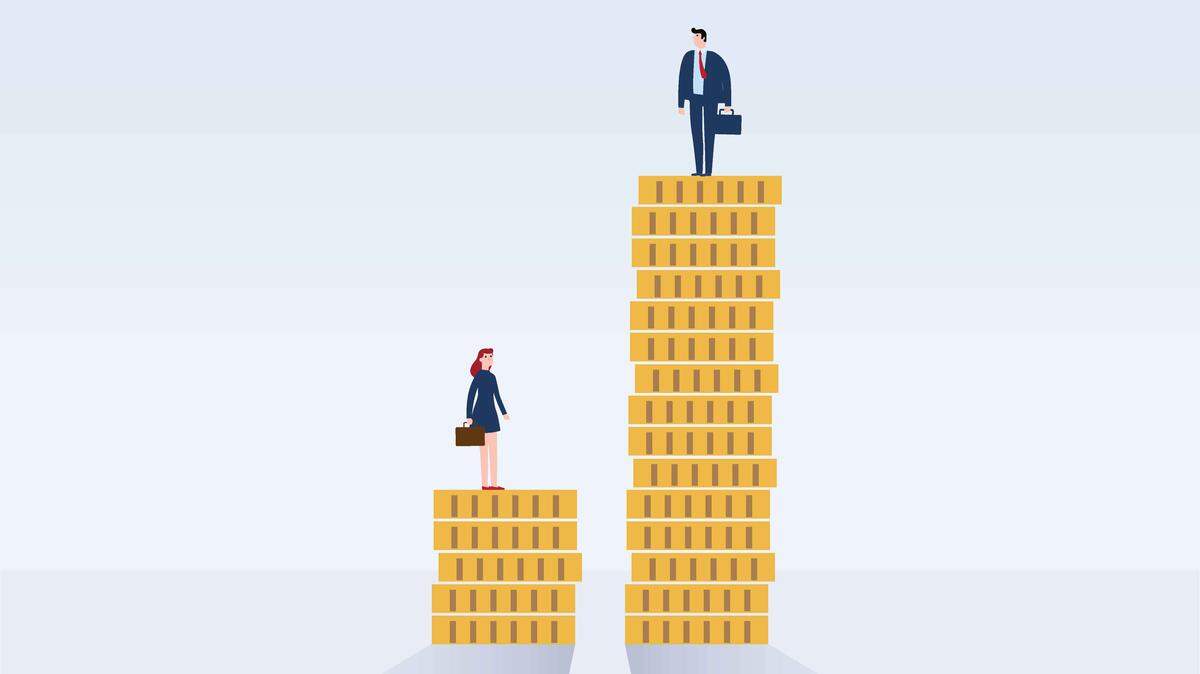
Women in Johnson County have the highest gender pay gap in the Kansas City metro, with median earnings at $20,000 less than men, a new report found.
The median earnings for a woman in Johnson County was $52,797, compared to $73,503 for men, the 2022 County Health Rankings report released Wednesday said. The report is published annually by the University of Wisconsin Population Health Institute which looks at several metrics of community health.
The pay gap findings are based on full time, year round jobs. The report said disparities in earnings can negatively influence the health of residents.
The difference in median wages in Wyandotte County was $6,198. The gap was $14,591 in Cass County, $10,873 in Clay County, $9,802 in Jackson County and $14,372 in Platte County.
Just 1% of Kansas and Missouri’s combined 224 counties had gender pay parity. Those included Madison, Mercer and Ozark counties in Missouri and Riley County in Kansas.
According to Nancy Levit, a professor at the University of Missouri-Kansas City School of Law, pay equity in Riley County may be due to Fort Riley, the large army installation that employs thousands in the county and requires pay transparency.
In the military, metrics are clearer and based on grade and service time, Levit said.
She contends that more transparency could help minimize the gap, along with a more public system for child and elder care and more unions, since the wage gap is lower in union workplaces.
Minding the gap
Nationwide, the report determined that women earn little more than 80 cents on the dollar that their male counterparts are paid.
Women of color are particularly disadvantaged. Black women have to work 223 more days to collect the same amount of earnings. Native American and Hispanic women have to work 266 and 299 days, respectively, to make up for the pay gap.
Women in rural areas have some of the lowest salaries nationwide, making 77 cents to every dollar that a man earns. Those in large suburban metro areas suffered the same pay gap, but were paid salaries at least $10,000 more than rural women.
These disparities worsened because of the pandemic, which exploited preexisting barriers like childcare.
According to the report, gender pay disparity undermines the health and economic prospects of the greater community.
When women have the opportunity to earn a fair wage, they live longer and healthier lives. The report explained that their children also stand to benefit from pay equity, since earnings lost to the pay gap mean fewer opportunities for families to save for emergencies or retirement funds.
The gap is evident in nearly all jobs, even those dominated by women such as health care and education. As women ascend to higher positions in the labor force, the gap widens, the report said.
A 2019 City Council measure in Kansas City attempted to narrow the pay gap across the labor market by barring employers from reviewing a job applicant’s salary history. Supporters believed it would prevent “anchoring,” where a low salary at one job dictates the earnings a person is able to receive at the next job.
States from Alabama to New York and California have enacted similar ordinances.