On The Vine: Missouri, your anti-LGBTQ laws made me gayer

I used to wear dresses.
This may surprise my colleagues, who have only ever seen me in a rotating selection of short-sleeved button-down shirts and men’s sneakers. They haven’t met the version of me that existed before I got this job: the version in long skirts, diaphanous blouses, and rose gold eyeshadow.
That’s because as soon as I knew I was moving to Missouri, I made the decision to embrace a more masculine personal style that makes me look as visibly queer as possible.
Growing up just outside of New York City, seeing queer people in public was no big deal to most, but it meant the world to me. Seeing a gay couple holding hands in public or a nonbinary person leading a meeting at work showed me that LGBTQ folks weren’t just alive all around me: they were thriving.
I feel a responsibility to be that example for closeted folks in a place that, despite Kansas City’s best intentions, is a lot less accepting of queerness. As The Star has reported these past few weeks, Missouri is a hotbed of anti-LGBTQ legislation.
- HB 2649 proposes banning gender-affirming healthcare for trans kids– and some legislators are suggesting applying the law to adults, too.
- HB 1669 Clause 2 states that “No pupil in any public school shall be required to engage in any form of mandatory gender or sexual diversity training or counseling.”
- SB 781 seeks to ban trans girls and women from competing on school sports teams, even in college.
Missouri legislators are doing their best to scrub LGBTQ folks from the map of public consciousness. But they can’t (yet) keep queer people like me from expressing ourselves in public. My new androgynous style isn’t just a personal choice: it’s also a defiance of my government’s preference that people like me should remain hidden, closeted and ashamed.
If any Missouri legislators are reading, know this: With every hateful bill you write, my hair gets shorter and my Doc Martens get chunkier. For every bigoted statement you tweet, I add another rainbow pin to my backpack. And whenever you make a queer child feel alone, my community works twice as hard to show them that we are proud and thriving.
Maybe someday soon, I’ll wear dresses again, but only when Missouri leaders commit to protecting and uplifting queer kids. Until then, pass me the bolo tie. I have something to prove.
A resource: Here’s where Kansas City’s LGBTQ+ students can find help in the face of discrimination

Around the block
Kansas City area district bans teachers from having ‘safe space’ signs for LGBTQ kids
The Star’s Sarah Ritter reports:
The Grain Valley school board has told high school teachers to remove cards and stickers indicating to students that they are LGBTQ allies, a decision that on Monday was met with widespread criticism.
Officials in the eastern Jackson County school district emailed families on Monday that the school board “received a concern about the display of cards and stickers by some high school teachers to signal students could feel safe approaching them regarding personal LGBTQ questions.” The board directed administration to remove the cards and stickers, which may feature rainbows or text that reads, “Safe space for all.”
“Our goal is for every classroom to be a safe place for all students, not just in classrooms where teachers choose to display a particular sign,” officials wrote in the email. “We remain committed to providing professional development to help our staff create a safe, collaborative, and inclusive environment, consistent with our core beliefs, where each student feels a sense of belonging. The use of these cards, however, is determined to not be an appropriate step at this time.”
I don’t need to say it because the criticisms have come quick and feverishly across the region. It took just a day for the Grain Valley School District to reel from the backlash and set up “public comment sessions to gather feedback on how to move forward.”
More from The Star...
- (Editorial) Talk about cancel culture: Grain Valley schools tells LGBTQ kids they aren’t safe here
Anti-LGBTQ bills ‘compromising’ next generation, Trevor Project founder tells KC crowd
Kansas lawmaker bemoans sharing Capitol restroom with a ‘huge transgender female’
(Opinion) Missouri locked him up wrongfully for years. With no compensation, he’s in dire need
How this Kansas City restaurant owner serves food and faith as he fasts for Ramadan
Beyond the block
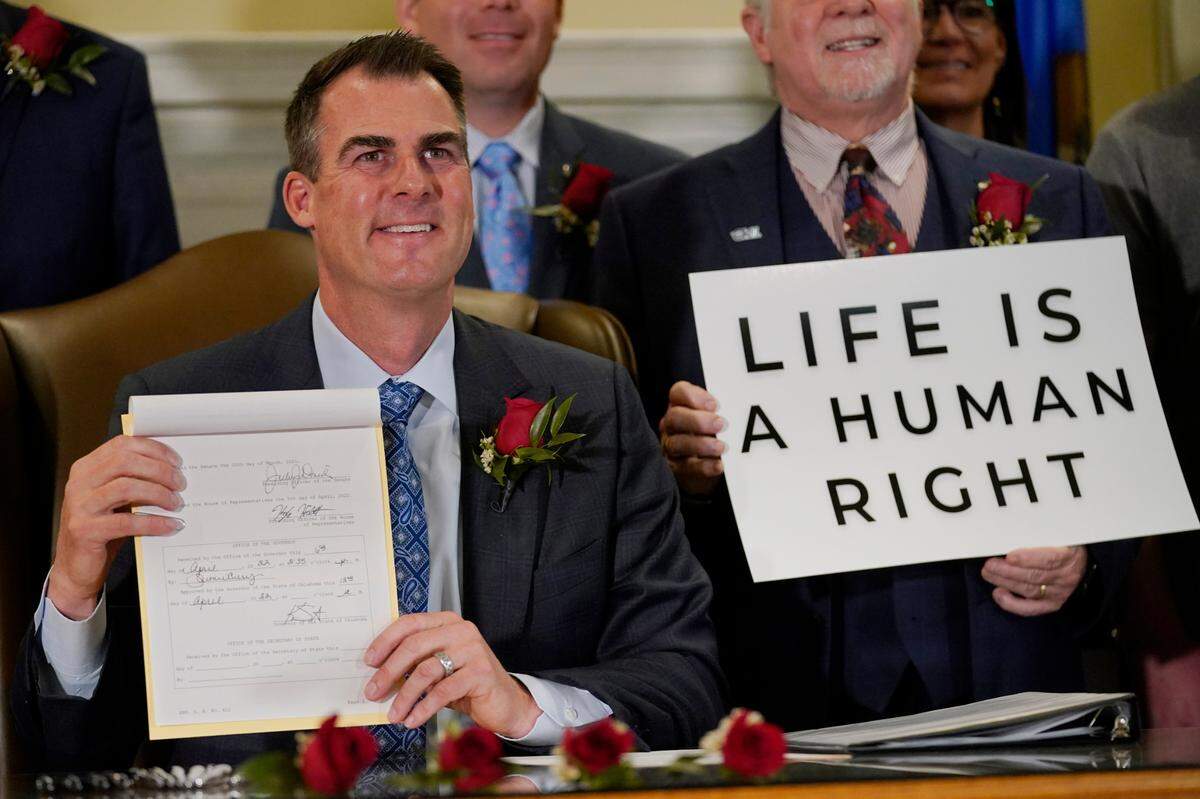
Oklahoma governor signs law banning nonbinary birth certificates
Oooo*sigh*klahoma.
Earlier this month, Governor Kevin Stitt signed into law a near-total ban on abortion in the state ahead of a Supreme Court decision that could overturn Roe v. Wade. This week the legislature sent another bill to his desk that would revert the state to pre-Roe v. Wade laws depending on the court decision.
“We want to make all abortions illegal in the state of Oklahoma,” Stitt has said. “This needs to be a state issue.”
Now, this...
Oklahoma Republican Gov. Kevin Stitt on Tuesday signed a new law that bans nonbinary gender markers on birth certificates in the state.
The legislation, which cleared the Oklahoma state legislature in recent weeks, states: “The biological sex designation on a certificate of birth issued under this section shall be either male or female and shall not be nonbinary or any symbol representing a nonbinary designation including but not limited to the letter ‘X’.” The law takes effect immediately because it was passed with an emergency designation.
Go ahead, read this too...
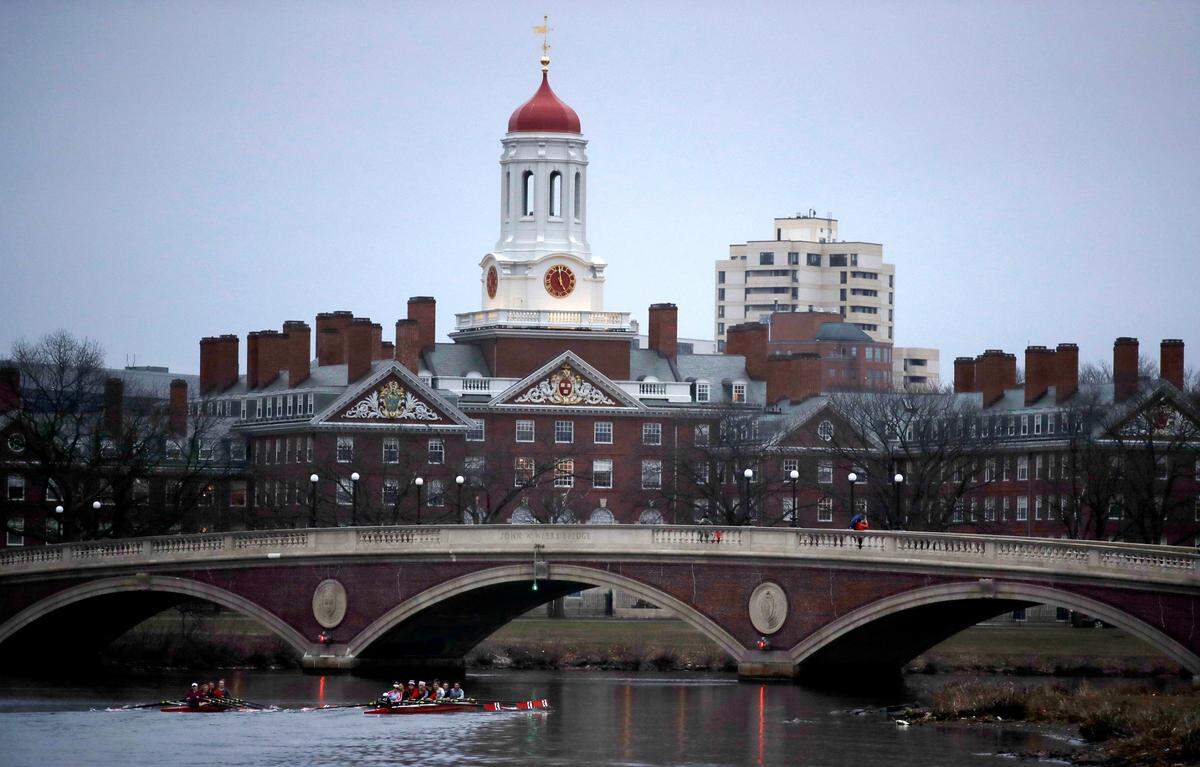
‘This report is unflinching’: Harvard University confronts its ties to slavery
It’s hard for me to engage with news of this report frankly without immediately becoming a straight up ignant fool. I oft think about the monetary, knowledge and class gate keeping air that spills out of so many institutions like Harvard. But, like a lot of corners of American life, there’s a dirty little, not so buried “secret” to reckon with.
Mike Damiano for The Boston Globe writes:
For nearly 400 years, Harvard’s most famous motto has been a single word, Veritas, or truth. In the spirit of that slogan, university officials said, Harvard on Tuesday published the first full accounting of the institution’s historical ties to slavery.
In a sweeping report, the university also acknowledged its complicity in 19th-century “race science” and 20th-century racial discrimination, and announced the creation of a $100 million fund to address the legacies of slavery, including inequalities in educational outcomes, that persist to this day.
“Harvard benefited from and in some ways perpetuated practices that were profoundly immoral,” Harvard president Lawrence Bacow wrote in a letter to the university community about the report. “Consequently, I believe we bear a moral responsibility to do what we can to address the persistent corrosive effects of those historical practices on individuals, on Harvard, and on our society.”...
Harvard presidents, as well as faculty and staff, enslaved more than 70 people who labored in their homes and on campus, where they fed generations of students, according to the report. The Harvard Corporation, the entity that controls Harvard’s wealth to this day, profited from slavery through loans to Caribbean planters, whose businesses depended on slave labor, and investments in American textile mills, whose raw material — cotton — was produced by women and men enslaved in the South.
Persist, y’all
Did someone forward this newsletter to you? You can sign-up here. If you’d prefer to unsubscribe from this newsletter, you can do so at any time using the “Unsubscribe” link at the bottom of this message.
This story was originally published April 28, 2022 at 11:24 AM.