
Bird-watching in KC: Tips to spot hummingbirds, orioles, warblers and more this migration season
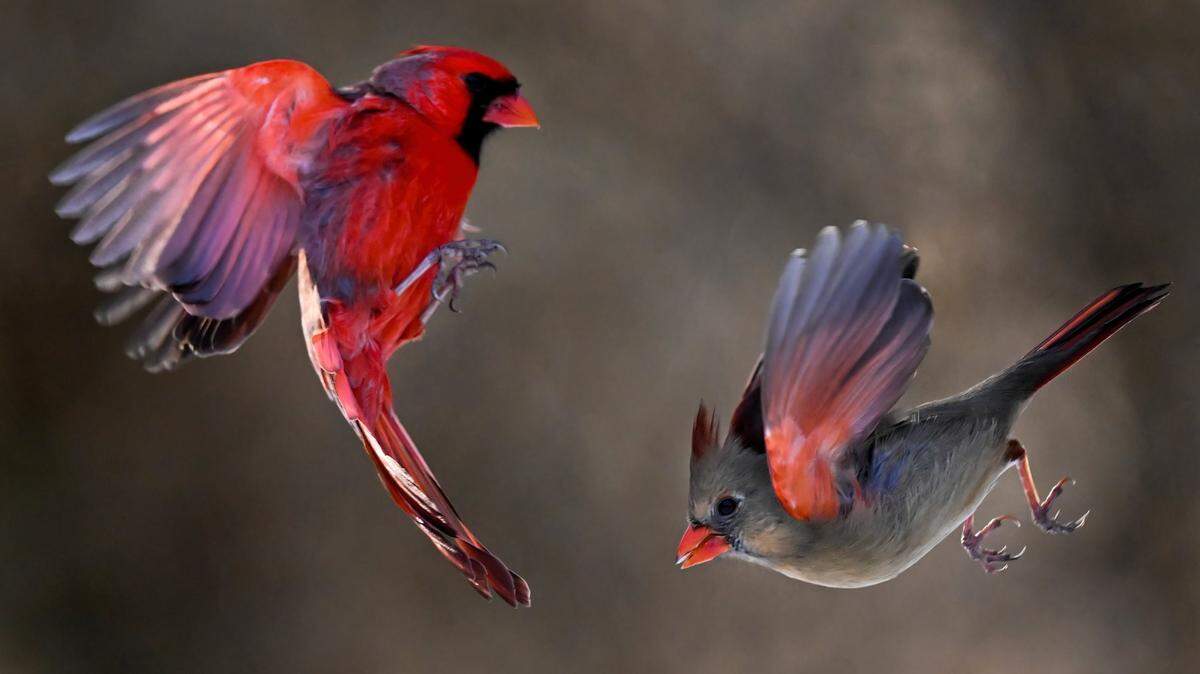
Spring is finally here, and with it comes an influx of migratory birds making their way north for the summer. With a little preparation, you can help make Kansas City an ideal pit stop for these feathered friends.
“Migration time around here runs from about mid-April to the end of May, but these next few weeks will be the peak of it,” said Elizabeth Stoakes, president of the Burroughs Audubon Society of Greater Kansas City. “At the feeders at Burroughs yesterday, we saw over 30 species. That was pretty amazing.”
Here are five tips to keep in mind as migration season gets underway.
1. Turn your lights off
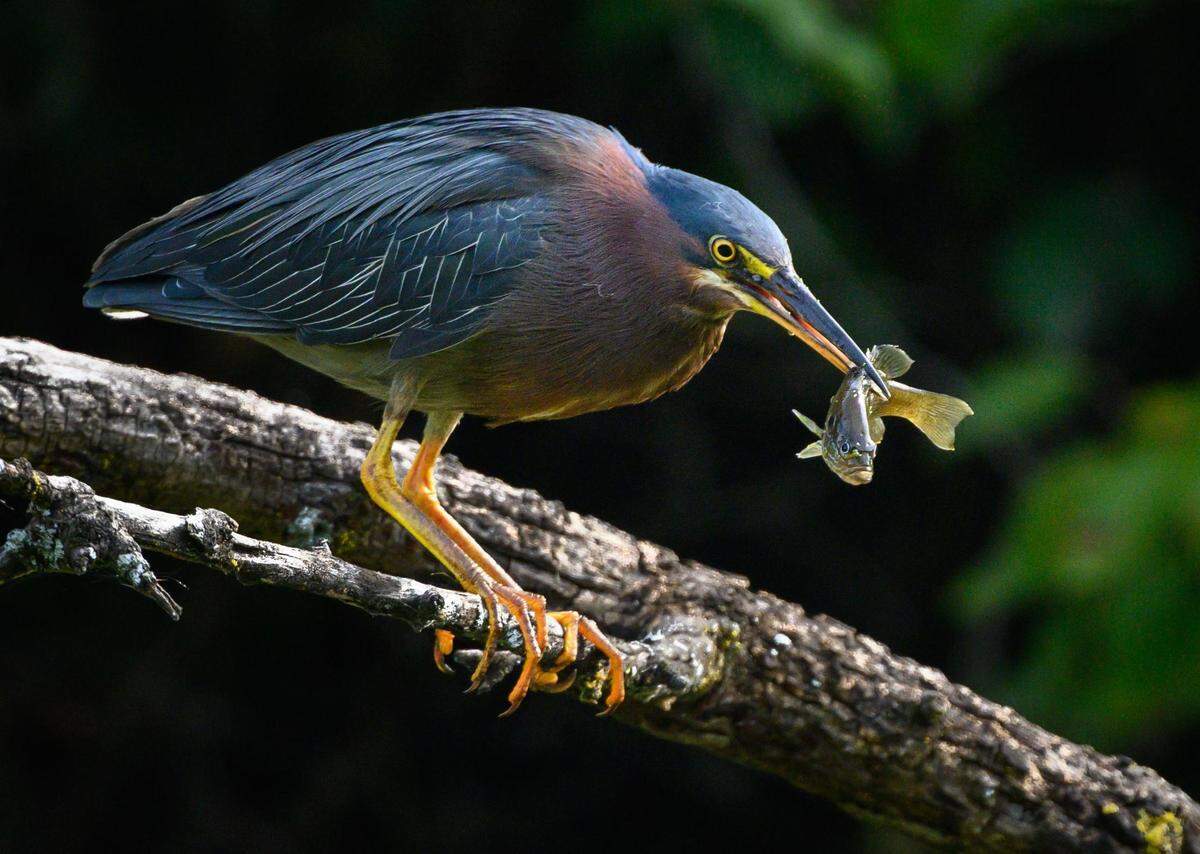
Window strikes are a leading cause of injury and death for migrating birds — especially in cities. Many birds, like the bright blue indigo bunting, find their way north using the stars. Any additional light from buildings or human infrastructure can disorient them, causing them to crash into windows.
“We recommend turning off any outdoor lights you don’t need,” said Stoakes. “I think a lot of people think that birds just sleep at night … so the light won’t bother them. But migrating birds are drawn to light.”
Birds can’t see glass the way humans can: When we see a window or a door, they see an empty space. That’s why it’s so important to turn your lights off at night whenever possible, and encourage your employer to do the same.
If you find a bird standing still on the ground in an urban area, it may be a victim of a window strike. Call Lakeside Nature Center in Swope Park at 816-513-8960 for advice on what to do.
2. Prepare feeders and birdbaths
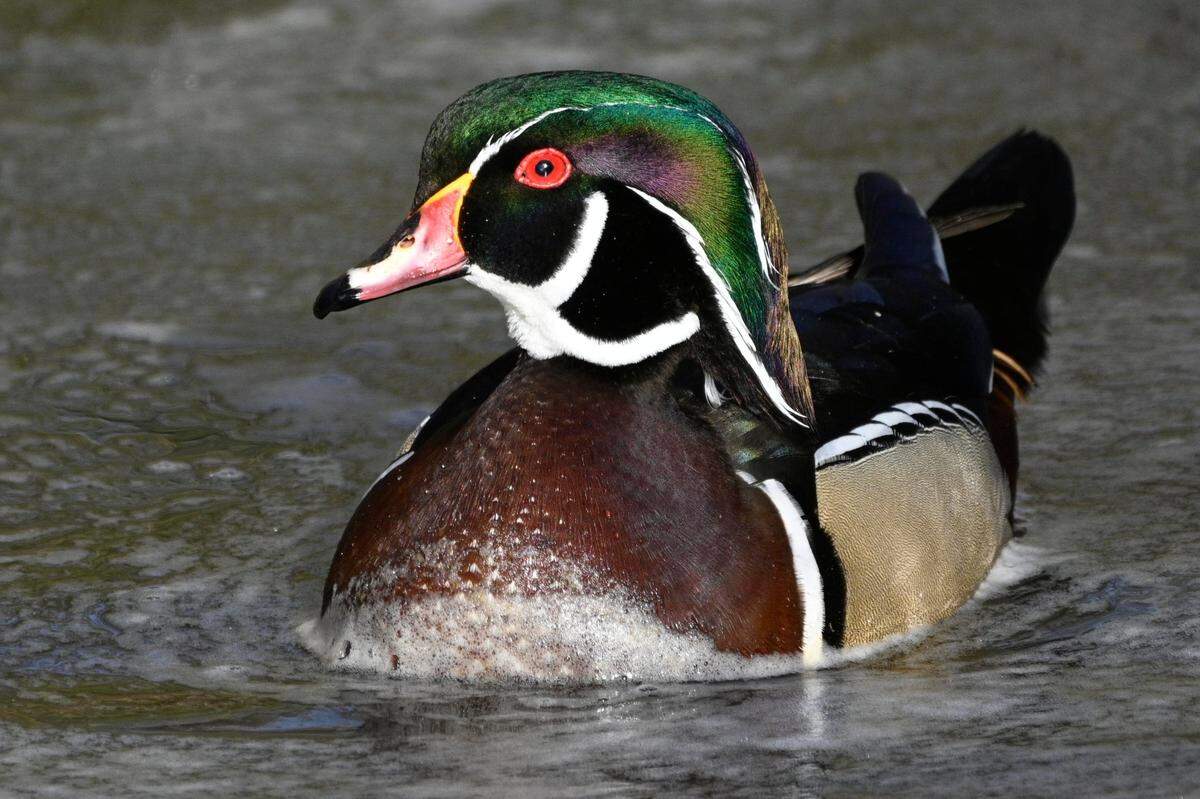
Migrating birds expend a lot of energy on their journey north and often arrive in the Midwest hungry, thirsty and tired. You can help welcome them to Kansas City by setting up some bird-friendly features on your property like feeders, birdbaths and even nest boxes.
“What people need to realize is that if they want the biggest variety of birds in their yards, they have to kind of think beyond the feeder,” said Stoakes. “Birds need water, and sometimes that’s harder to find than food.”
Be sure to change the water in your birdbath and the seeds in your feeder once or twice a week, and clean them regularly with hot water and a mild bleach solution. This can help prevent the spread of avian diseases.
If you’re interested in going the extra mile, consider upgrading your outdoor attractions to draw in even more birds.
▪ A suet feeder can give birds some extra calories by providing a rich cake of animal fat they’re unlikely to find elsewhere in their diets.
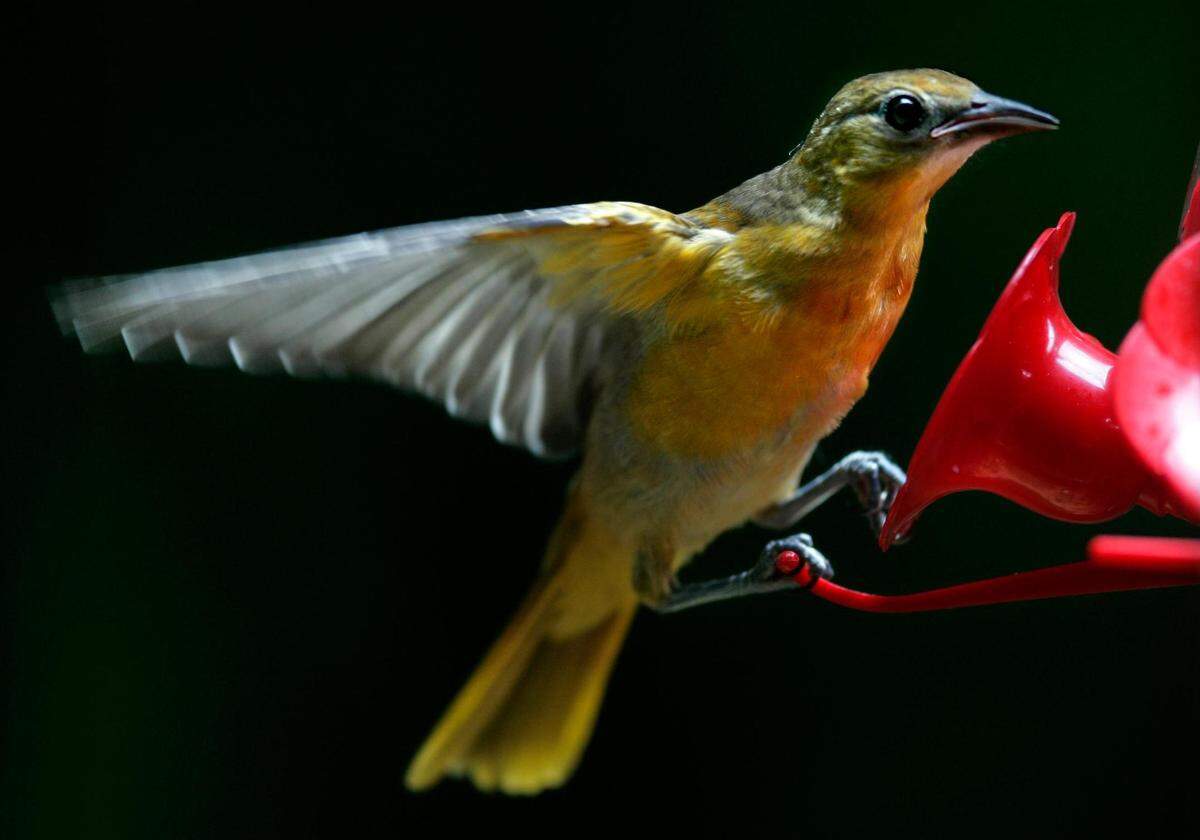
▪ A hummingbird feeder filled with sugar syrup can help attract hovering beauties to your yard.
▪ Adding a small fountain feature to your birdbath will give the water a sparkling movement that birds love.
3. Plant native plants
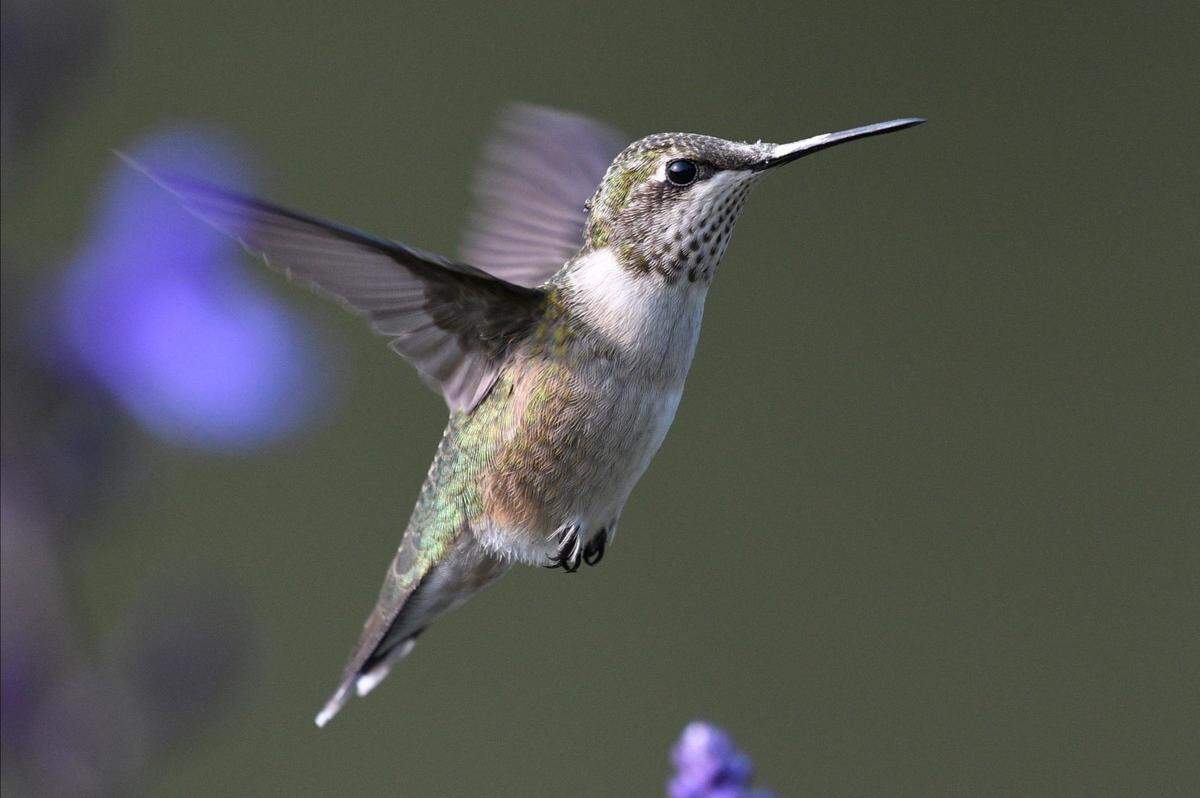
Showy flowers from the garden center may look pretty, but the best way to welcome birds to the area is with native plants. These pollinator-friendly flowers, shrubs and greenery can provide the food that many birds snack on to keep their energy levels up.
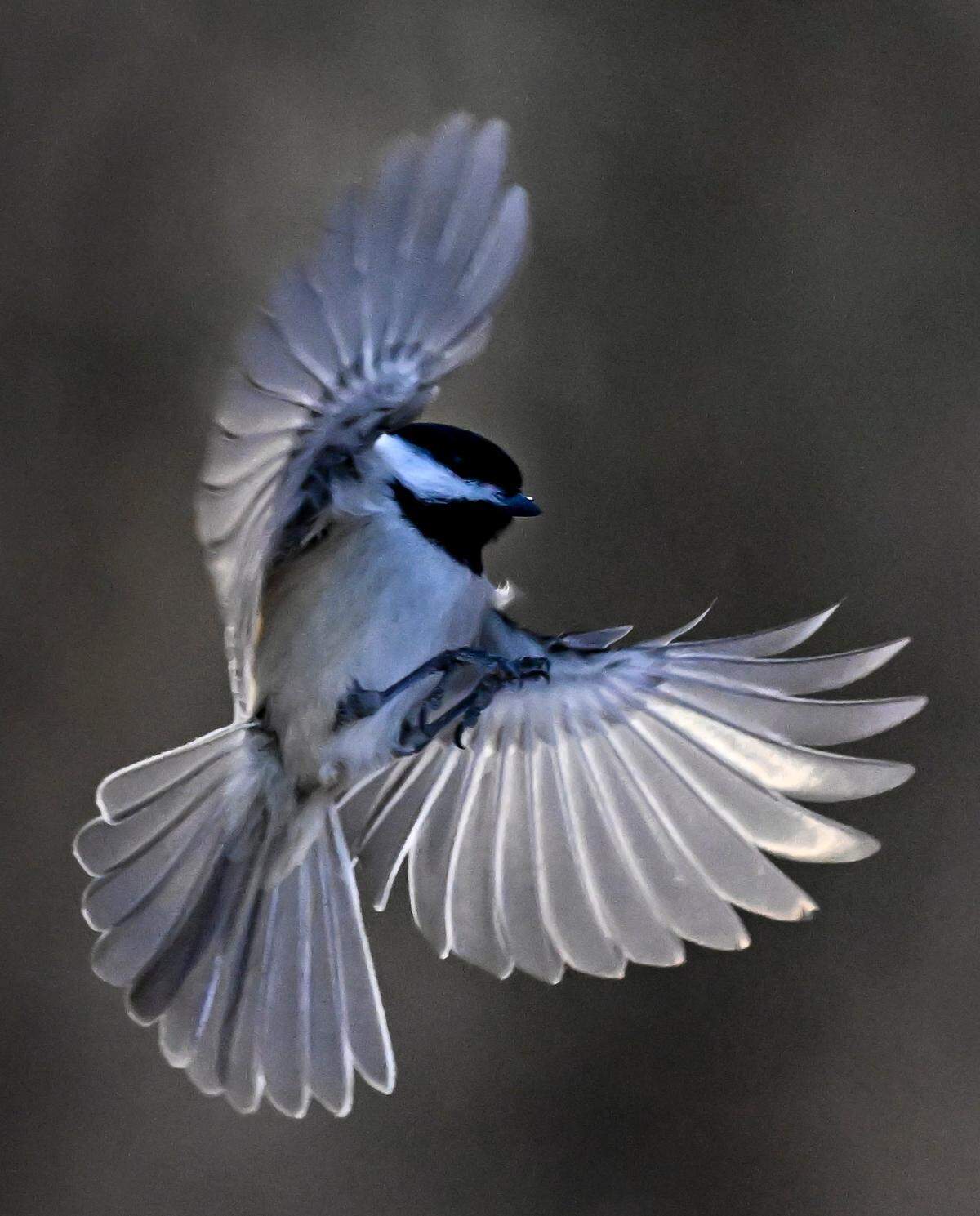
The insects that thrive on native prairie plants make up a significant part of some birds’ diet. For instance, black-capped chickadees are often raised on a steady supply of protein-rich caterpillars found on native plants.
Deep Roots KC is a local organization dedicated to promoting native plants for their benefits to wildlife, humans and the surrounding ecosystem. The group offers a guide to native plant and seed retailers in the Kansas City area.
4. Keep hazards indoors
Any clear or translucent barriers can pose a hazard to migrating birds, as they may find them difficult to see. The Burroughs Audubon Society warns that balloons can easily ensnare or choke unsuspecting birds. Stringy decorations like loosely-woven cloth can also become a hazard.
One danger to birds looms above all the rest: cats. Cat owners should take care never to let their cats outdoors unsupervised, as they are a leading killer of native migratory birds. Setting up a small patio area for your cat on a porch or balcony can help your cat get some fresh air without harming wildlife.
5. Check the forecast for local favorites
Curious who may be flocking through Kansas City on a given night? BirdCast is a site that acts like a weather forecasting service, but for bird migrations. Take a look to see which birds may be moving through your area at this time of year.
Stoakes adds that notable Kansas City visitors around this time of year include the yellow-rumped warbler, the Baltimore oriole and the rose-breasted grosbeak. Most birds migrate at nighttime and stop to rest during the day, making them easy to spot in your neighborhood.
Have you seen a really cool bird in Kansas City? Tell the Service Journalism team about it at kcq@kcstar.com.
This story was originally published April 26, 2022 at 5:00 AM.
.jpg)