KC historian’s presentation on Negro Leagues disrupted by hackers with racist messages
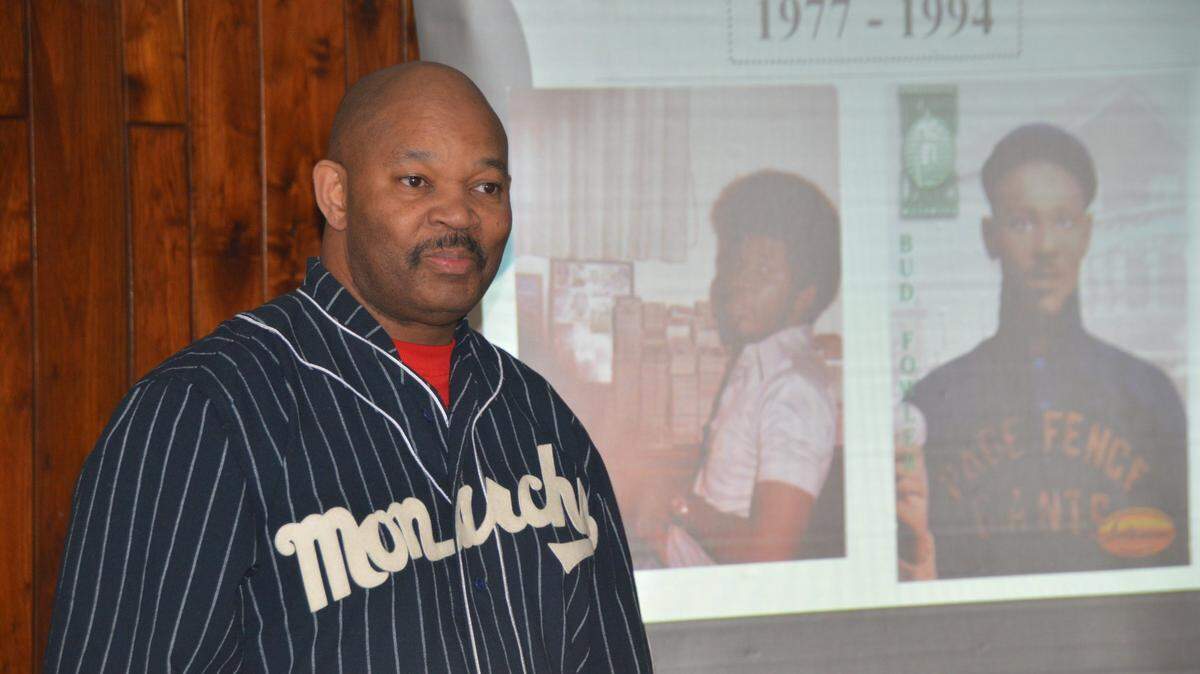
When racial slurs and a video of a white man defecating appeared across the screen of a Kansas City historian’s Zoom presentation, it took everything in Phil Dixon’s power to show audience members he was unafraid.
Dixon has traveled around the country for nearly 40 years sharing presentations on the history of the Negro Baseball Leagues, tailoring each event to the town he visits. But on Feb. 21, his event was hacked by racist imagery, disturbing him and audience members.
The event was scheduled to be in Brookings, South Dakota, but due to inclement weather, Dixon switched it to a Zoom presentation about a week in advance.
At 6 p.m. he started to broadcast the event from his home in Kansas City.
He began like any other presentation, speaking about stars of the Negro Leagues. He spoke about Daniel “Thumper” Jackson, who won the South Dakota State League batting title back in 1952. But about ten minutes in, he noticed writing come across his screen. Then racial slurs and curses sounded through the meeting’s microphone and a naked white man popped up on the screen, defecating on camera.
“As I saw this I’m trying to think and stay focused,” Dixon said. “I was trying to stop sharing my PowerPoint and reshare it to try regain some control. And I’m trying to talk to the people who just saw all this.”
Dixon carried on with the presentation and after a couple minutes, the hackers stopped.
Dixon turned the incident into an opportunity to speak to viewers about history being under attack, reminding them that as a collective, they are stronger than those who aim to stifle the sharing of information.
“If we eliminate the bad parts of our history, we are also eliminating the history of those who made progress,” he told audience members.
“You can’t let these individuals stop you from presenting the history that people want to know.”
Throughout the presentation, a saying in his head repeated over and over again: Unite people. That’s my mission.
Throughout his career speaking, Dixon has had a fair share of challenges from local audiences. In areas where residents were not used to seeing a Black man as a public speaker, he’s been confronted by audience members looking to share their opposing views, which he welcomed. But occasionally he’d find himself racing out of town, not feeling safe to stop at gas stations or convenience markets on his way out.
Dixon believes these experiences have helped him understand the fear Negro League baseball players faced and have made him a better teacher. But this incident felt different — he was afraid and his and many in his family were fearful for him too. Dixon’s wife and daughter have told him he needs to travel with a team of people next time he does an event for his safety.
A few days after the event, his daughter Erika Mendence took to Facebook to share her own message:
“I’m angry at the trauma that this situation causes my dad and our family,” she wrote, “People who are literally just trying to preserve and celebrate our history, despite the constant attempts to bury and discredit it.”
On Feb. 3, a similar incident happened at a virtual event for Black owned businesses at Rockhurst University. The Zoom meeting was hijacked by a group displaying racist imagery and a video of child pornography.
A police report was filed in both incidents.
Brookings police in South Dakota have turned over their investigation to the FBI, said Joe Fishbaugher, assistant police chief of the department.
‘Zoombombing’
Incidents of hackers hijacking Zoom meetings is not new, but have been increasing since the early months of the COVID-19 pandemic in April 2020, according to Jessica Reaves, editorial director of the Anti-Defamation League Center on Extremism.
The term “Zoombombing” was coined by the organization to identify anyone who uses the platform to disrupt or disturb a virtual event, usually with the intent of intimidating organizers and attendees.
The practice varies case by case, but can appear as someone sending racial slurs in the chat window, hijacking the audio system with demeaning commentary or showing a graphic video.
The broadcasting of pornography is pretty common, Reaves said.
People affected are encouraged to report the incident to their regional FBI office or the agency’s Internet Crime Complaint Center.
Reaves explained that without consistent reporting, it will remain difficult to understand these crimes and prevent them.
Prosecuting these crimes and tracking down those responsible has been an ongoing challenge.
“So much of this is happening with hidden identities and blocking locations. It’s very difficult to find people,” she said.
Thirty incidents nationwide were reported to the Anti-Defamation League in February 2021. Reaves said she believes the incidents were racially motivated and used to intimidate organizers during Black History Month.
People looking to further protect themselves should discuss security measures with event organizers and develop a plan to record the meeting if “Zoombombing” occurs, according to Reaves.
Zoom has said a series of security updates have been put in place on its platform.
This story was originally published March 2, 2022 at 1:58 PM.