
On The Vine: Too busy upholding my people to argue your CRT

Can I be real a second?
It’s weeks like this and stories like these that cause me to reexamine the petty pace of journalism. I am, we are (here at The Star), stewards of truth and fairness and curiosity and so on. If there is an argument to be had, you will find us with our ear to the doors on each side.
But I also know truths to be undeniable, and some arguments to be harmful and problematic.
This week, The Star published a story about parents angry about masks, books with diverse points of view, and what they consider to be critical race theory — or put another way, simply “diversity and inclusion” — in schools.
As journalists we combat claims with facts. We inform, not educate (that’s what teachers do, fwiw). And we do so in the piece, but some arguments are just straight up problematic.
I’ve spent the last week helping gather and compile submissions for Black Kansas Citians has a way to highlight Black joy and remind my people that we are more than the world has made us and wants us to be. To remind me people they deserve to be happy and revel in that.
After 400-plus years we struggle still to simply find the space to accept ourselves, our Blackness (in relation to the whiteness this country has always pressed on our necks) and come to a place where we can set down the weight of our generational traumas and just straight up live.
But there are those out there beating this drum with twisted arguments about an anti-white agenda? Ain’t nobody got time for that.
Around the block
KC Black History: KCQ reflects on 1968 student-led Civil Rights walkouts that shook the city
I mentioned in last week’s newsletter that KCQ, The Star’s partnership with the Kansas City Library, is answering questions specifically related to Black history around the region.
Well, we’re rounding out Black History Month with a week of KCQs as part of a series fueled by questions from students in Kansas City-area Black Student Unions.
Students at North Kansas City High School asked about what role high school students played in the civil rights movement in KC.
The Star’s Kynala Phillips dove in to find the answer:
It was Monday, April 9, 1968—the day before Dr. Martin Luther King Jr.’s funeral. King was assassinated in Memphis four days earlier, and the weight of his death could be felt across the country.
Harry Ross was a student at Manual High School in Kansas City at the time. In an interview in 1969, he talked about how grief rippled through the halls in the days following Dr. King’s death.
The students had talked about wanting to do something to recognize Dr. King on the day of his funeral.
“And some of the kids said, you know, we should walk out the next day,” Ross said in the 1969 interview. “It was really something that happened all of a sudden…I was just expressing my feelings and so were many others.”
What began as Ross and other students expressing themselves at school would soon turn into a wave of protests across the city that would become one of Kansas City’s most significant uprisings.
Check this out too...
‘Showing of love’: Kansas City, Kansas, community celebrates Tao Tao restaurant chef
Café Corazón is now in Kansas City’s Crossroads offering Latin American coffee, more
That iconic ‘KC Heart’ Charlie Hustle logo? Negro Leagues’ Monarchs wore it first
Hartzler launches ‘transphobic’ ad targeting transgender college swimmer
KU student escaped her abuser. But professor, university and Title IX made her life hell
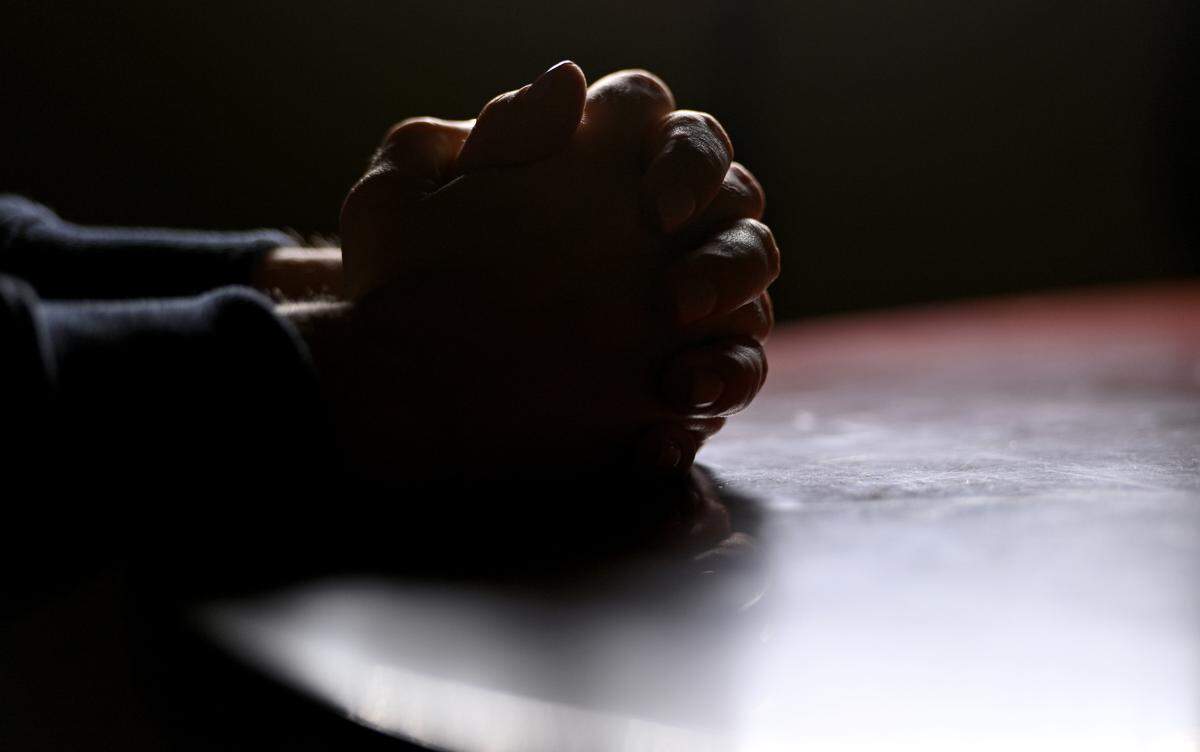
Anna Spoerre spent months talking with a graduate student at the University of Kansas about her experience getting away from her ex-boyfriend, who abused her verbally and physically and how, she says, the university failed to protect her Title IX rights.
In this story, The Star details how Jane’s — a pseudonym used to protect her identity — graduate program adviser retaliated against her after she reported her abuser.
The story, published last weekend, has made rumblings at the university already. This week, students in the mechanical engineering school, where Jane is a grad student, sent a letter to leadership demanding the university issue a public apology to Jane and take immediate action “to correct its wrongdoings.”
Read that here: Students demand KU correct ‘wrongdoings’ after grad student details Title IX failings
The Star’s Anna Spoerre reports:
The Title IX system had worked as designed — she reported the abuse to the appropriate, federally-designated office, an investigation was conducted, a decision was made resulting in the expulsion of her abuser, all according to the rules.
But 11 years since coming to KU, she is still unable to finish her degree because, she says, the university failed her. Meanwhile her abuser was readmitted to the university in 2020 and has since finished his PhD.
During that time, her mechanical engineering professor, Lorin Maletsky, asked her to take a leave of absence from the research lab so her abuser could finish his degree. For a year, he forced her to keep working in the same lab where she was sexually assaulted.
She couldn’t sleep at night. She suffered from panic attacks and post-traumatic stress triggered by the professor repeatedly and unnecessarily mentioning her abuser’s name at work.
The university offered no help.
“Domestic violence completely destroys your sense of safety and your sense of self,” Jane told The Star. “It’s unacceptable that it also can have such a huge impact on your career and your education.”
Beyond the block
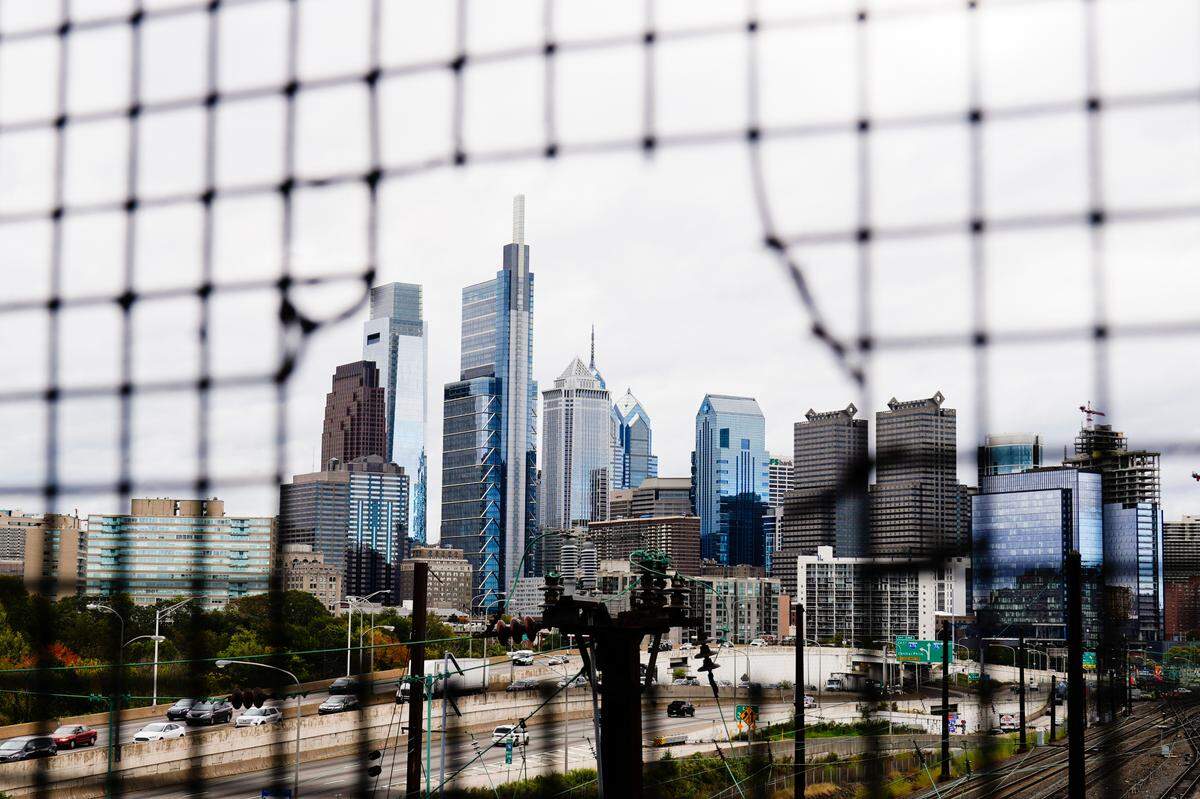
Black City. White Paper.
The Philadelphia Inquirer, this week, published the first installment in its series designed to examine “the roots of systemic racism through institutions founded in Philadelphia.”
Wesley Lowery writes for The Inquirer:
Cassie Haynes started the morning of June 2, 2020, as she does most mornings, with a copy of her hometown newspaper, The Philadelphia Inquirer. What she read that day horrified and enraged her.
For weeks, Black people in Philadelphia and across the country had protested amid dual pandemics. They had been traumatized and enraged by cell phone video showing a Black man, George Floyd, begging for his life as his windpipe was crushed beneath the knee of Derek Chauvin, a white police officer in Minneapolis. And the millions who poured into the streets did so despite a global public health crisis that was disproportionately ravaging Black communities.
That Tuesday morning, The Inquirer published on Page A12 a column by the newspaper’s Pulitzer-Prize winning architecture critic beneath the three-word headline: “Buildings Matter, Too.”...
That probe must begin with an examination of The Inquirer itself, one of the oldest continually operating news outlets in the country.
The years since Floyd’s death have forced the newspaper to face the reality that it, much like the democracy born in this city, has failed to fulfill the ideals of its founding. Rather than being an “inquirer for all,” as its motto proudly claims, the paper has for the whole of its history been written largely for and by white Philadelphians, and largely at the expense of the Black residents who currently constitute a plurality of the city.
Give this a read too...
Woman Followed and Fatally Stabbed in Her Chinatown Apartment
Video showing how police treat Black and White teens in mall fight sparks outrage
Sha’Carri Richardson Notes Hypocrisy After Kamila Valieva Ruled Eligible for Olympics
Dr. Dre Says the NFL Had ‘No Problem’ With Eminem Taking a Knee During SB Performance
See ya next week
Did someone forward this newsletter to you? You can sign-up here. If you’d prefer to unsubscribe from this newsletter, you can do so at any time using the “Unsubscribe” link at the bottom of this message.