Ex-Missouri police chief calls for trauma resources after assaulting man who hurt baby
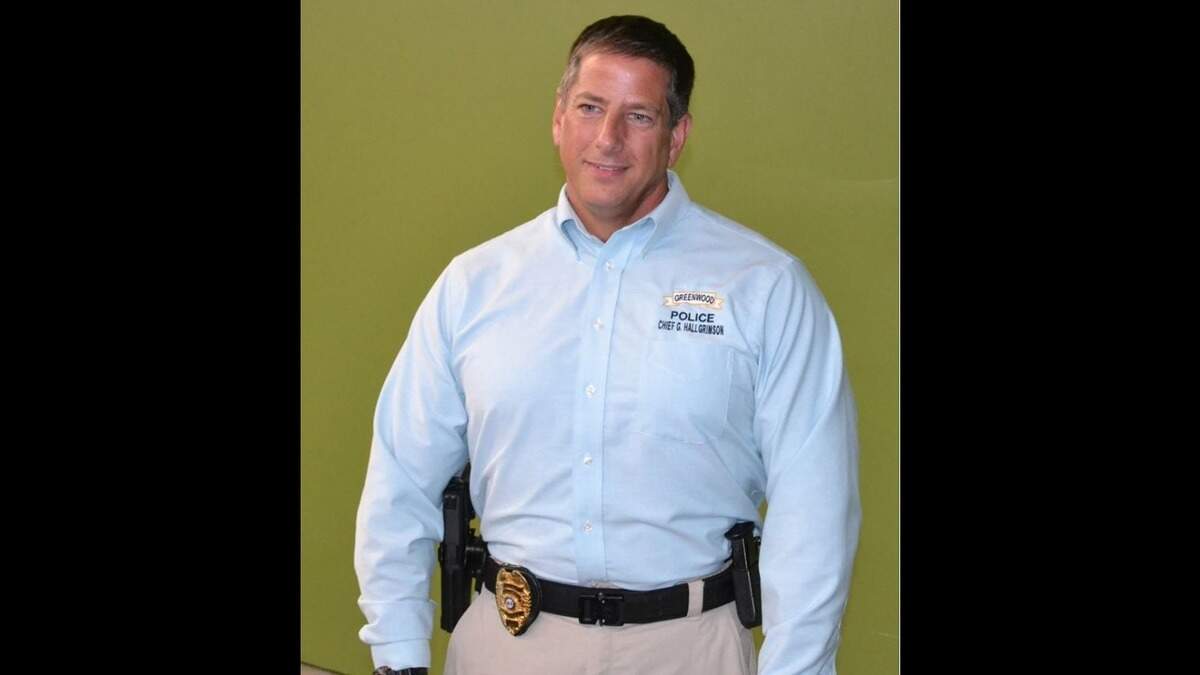
A former Missouri police chief says trauma played a large role in his assault of a suspect which ended his law enforcement career.
A federal judge on Tuesday handed down a five-year probation sentence to former Greenwood police chief Greg Hallgrimson, 52.
In an interview Saturday with The Star, Hallgrimson said he suffered after witnessing a baby floating unconscious in a pond. The child’s father pleaded guilty to felony child abuse and was sentenced in August to 15 years in prison.
Attempted drowning
On Dec. 17, 2018, Jonathan Stephen Zicarelli, 31, walked into the police station and said he had killed his daughter. Hallgrimson and another officer rushed to the west side of Greenwood, where they found the six-month-old floating unconscious in an icy pond. The girl was pulled from the pond and treated for hypothermia, police said in a report. She survived after first responders performed CPR.
Zicarelli was arrested. His previous defense attorney, Susan Dill, told the Star in June that video from a body-worn camera showed Hallgrimson grabbing Zicarelli by the throat, throwing him to the floor, and punching him in the face, after the child was pulled from the pond. Zicarelli’s hands were cuffed behind his back at the time. On video, Hallgrimson was seen sitting on the man’s chest and beating him, she said.
According to Dill, the police chief told Zicarelli: “You deserve to die.”
Her client suffered lacerations to his face and injury to his jaw, she said.
The video has not been released publicly.
Hallgrimson says he was taken off the case by his police captain, Steve Hawkins, and told to attend a 5:30 p.m. counseling session on the day of the assault.
The Greenwood Police Department started an investigation into him for excessive force in 2018.
Greenwood’s Board of Aldermen placed Hallgrimson on administrative leave shortly after the assault accusations came to light. He resigned from the force on May 29, 2019.
He was indicted by a federal grand jury with violating the man’s civil rights and pleaded guilty in August.
Mental health and policing
Hallgrimson recalled immediately feeling traumatized from seeing the child face up and lifeless in the pond. He said in that instant, he knew he was going to need help mentally.
His police captain did the right thing, he said, and had him see a counselor at 5:30 p.m. on the day of the assault in 2018, but that does not always happen.
Before the incident, he had not sought consistent counseling. While he attended occasional sessions with a counselor at the police department throughout his career, he never felt relief. Instead, he would isolate himself, withdrawing from family and friends. The only solace seemed to come from a good workout session or debriefing with colleagues, who also faced trauma from their work in law enforcement.
“When you’re standing there with fellow officers it’s difficult to say you need help, very difficult. And the stigma with police officers is no weakness whatsoever. When you’re with your brothers and sisters of law enforcement you never want to let that out,” he said.
But while standing in solidarity and shedding tears with colleagues can be helpful, it is not a substitute for counseling, he said.
He said many of the officers he worked with have dealt with some form of anxiety or depression. But few speak openly about the affects of trauma.
Hallgrimson believes he would have been able to better deal with his experience if more leaders in policing spoke about their experiences and emphasized the importance of seeking help.
Police departments, he suggested, should set up monthly visits with professional psychologists for officers. And policies should allow officers who have witnessed a critical incident a chance to distance themselves from the case in its immediate aftermath.
“Especially for new people coming up in the profession they need to understand what’s going to take place in their own mind,” he said.
Gov. Mike Parson signed legislation in late June that established a stress management program for officers recovering from traumatic incidents. The bill also requires they meet with a provider for mental health check-ins once every three to five years. It went into effect Aug. 28, 2021.
Former chief’s future
The felony deprivation of rights conviction means Hallgrimson can no longer serve as a police officer.
“As far as what this situation has cost me, I’ll be working ‘till the day I die,” Hallgrimson said of the assault.
He took cash out of his retirement savings in order to pay for legal fees.
GoFundMe fundraisers set up by community members to help out was shut down.
“Our Trust & Safety team has removed multiple fundraisers for Greg Hallgrimson as GoFundMe prohibits raising money for the legal defense of a violent crime,” a spokesperson for the company said in a statement sent to The Star on Dec. 13.
He has received a letter from the Missouri Peace Officers Standards and Training, a regulatory program that licenses peace officers, about the status of his license, but has been too nervous to open it.
“Not being able to get back into a career that you knew was the one thing you’re made to do, that’s heartbreaking,” he said of starting over in Tulsa, where he has since moved.
He has a new job, which he is excited about, but his health insurance is limited. As of Saturday, he has not been able to access mental health resources, forcing him to lean on his wife for support, he said.
He hopes other officers will be able to look at his situation and choose to act differently in the face of trauma.
In the future, Hallgrimson said he wants to return to school and earn a certificate as mental health counselor for first responders.
He does not believe the oath he took as an officer ended when he left the department and still has faith in the justice system.
“I know sometimes it’s viewed as as not fair, or overly aggressive. We have no other system in place. We have to believe,” he said.
This story was originally published December 11, 2021 at 5:07 PM.