
It’s almost time to fall back: what to know when daylight saving time ends on Sunday
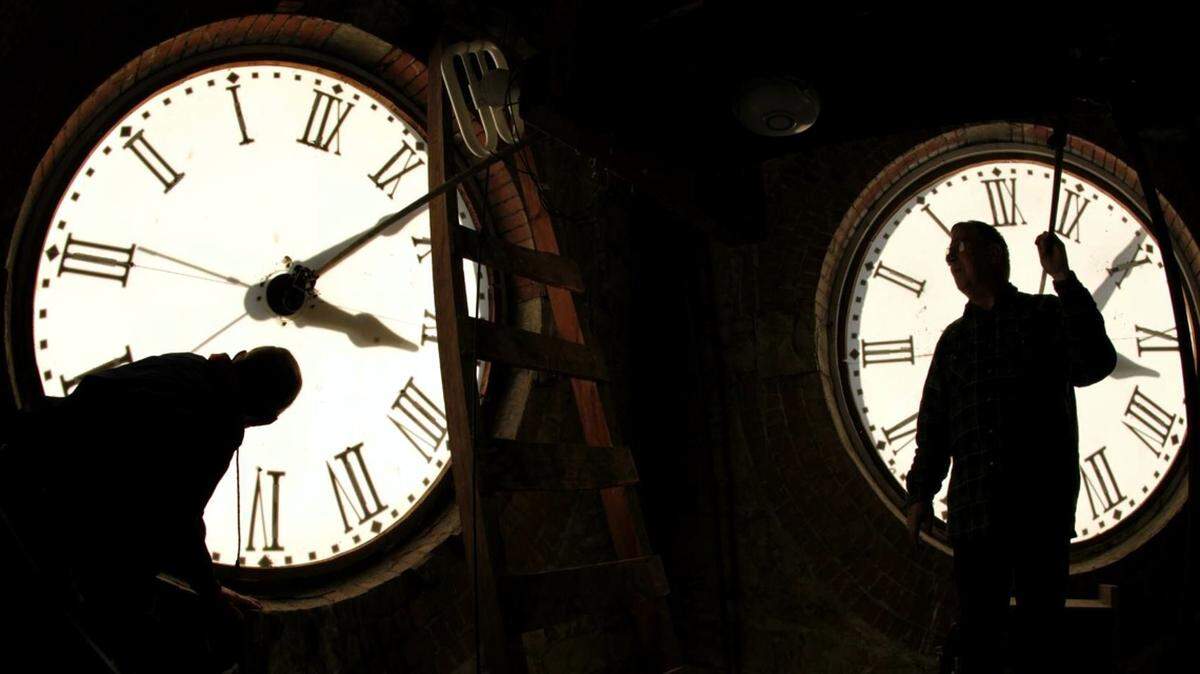
You may wake up this Sunday feeling a little more refreshed than usual. That’s because clocks will be shifting backwards by an hour at 2 a.m., giving folks an extra hour of sleep.
The end of daylight saving time will mean brighter mornings and darker evenings in Kansas City and all around the country. Early birds will enjoy extra sunlight during breakfast and morning walks. On the other hand, the sun will set much earlier: at around 5:11 p.m. on Sunday, and even earlier in the following weeks.
Daylight saving time was widely adopted in the early 1900s to better align working hours with daylight hours. The end of this period means that time after work will look and feel like nighttime as winter settles in, which can contribute to a rise in seasonal affective disorder.
Are you SAD that daylight saving is ending?
Seasonal affective disorder, or SAD, is a type of depression linked to the darker months.
“When you’re getting off work, it’s darker now, right? What we’ve noticed is that that will lower the [brain’s] serotonin, decreasing it, which will increase the rates of having seasonal affective disorder,” said Diedre Turner, a licensed counselor at the Family Guidance Center in St. Joseph, Missouri.
The darker afternoons during the early winter months can also encourage the brain to prepare for sleep by producing melatonin. This natural chemical will make us tired as soon as the sun sets-- even if there are hours left in the day.
“A symptom of SAD is… hypersomnia, which means you’re going to sleep more than you may have in the past,” said Turner. “I know sometimes we’re thinking, ‘Well, yeah, I want to sleep longer,’ but the more we sleep impacts our routine, which impacts our mood.”
Other symptoms of SAD can include an increased appetite, weight gain, lethargy, emotional instability and even suicidal ideation. Turner recommends a few tricks to combat these symptoms:
Ask your primary care doctor about your vitamin D levels and how to supplement them if necessary
Try to get direct exposure to daylight or simulated sunlight for at least 20-30 minutes every day
Step outside for fresh air and daylight during break times at work-- even if it’s cold!
Engage in indoor exercise during the winter months
Seek professional help in the form of talk therapy, medication or other healthcare
“Sometimes people make comments like, ‘Oh, it’s just the winter blues. You’ll get over it,’” said Turner. “If you find yourself really noticing that, ‘Hey, you know, my mood is changing. I’m having a hard time getting out of bed. I’m wanting to isolate. I’m just not myself,’ please don’t wait around. Seek treatment. Seek help. It’s out there for you.”
If you or a loved one is struggling with mental health challenges, you can call CommCare, a nonprofit crisis hotline for Missouri residents, at 888-279-8188. If you or a loved one may be at risk of suicide, you can call the National Suicide Prevention Lifeline at 800-273-8255.
Do you have questions about daylight saving time, the mental health resources available in Kansas City or something else you want reporters at The Star to look into? Ask our Service Journalism team at kcq@kcstar.com, or by filling out this form.
This story was originally published November 3, 2021 at 5:00 AM.
.jpg)