Feds say Kansas City pharmacy filled hundreds of forged narcotic drug prescriptions
Editor’s note: This story has been updated with information from a news release issued Friday by the U.S. attorney’s office and a comment from the pharmacy’s attorney.
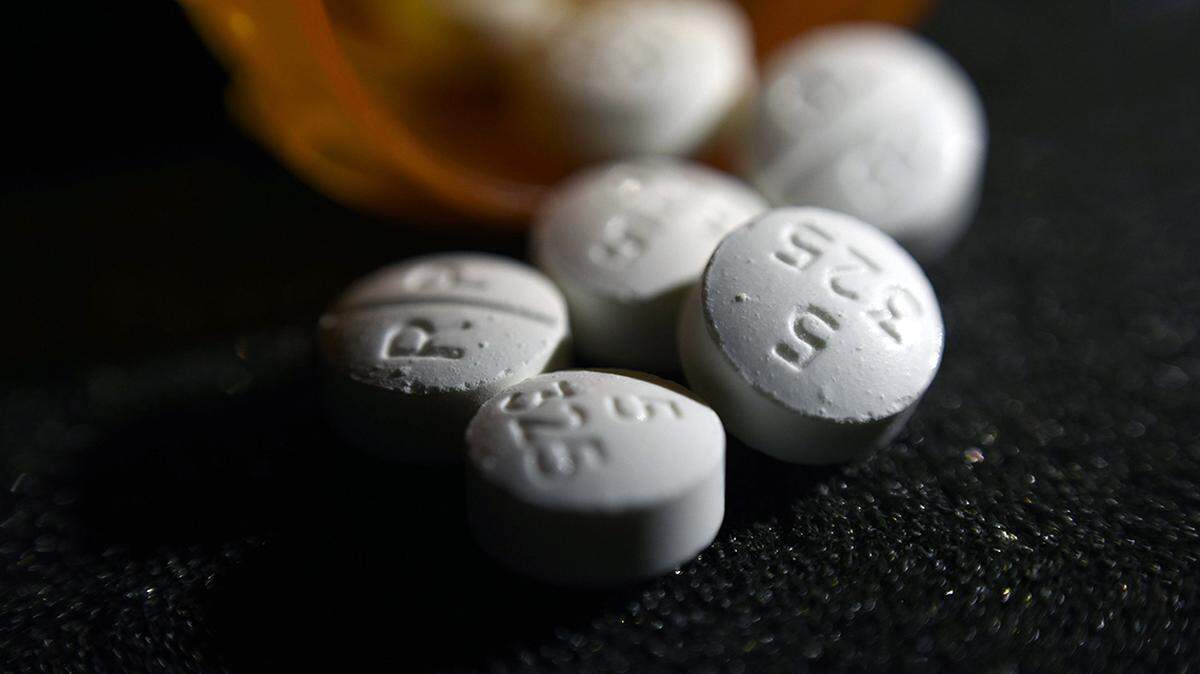
Federal prosecutors in Kansas City accused a pharmacy of filling hundreds of prescriptions for narcotics while overlooking what should have been red flags that they were forgeries.
The U.S. attorney’s office in Kansas City on Wednesday filed for a permanent injunction requiring Spalitto’s Pharmacy near downtown to take steps to verify the authenticity of prescriptions. It alleged that the pharmacy did not do enough to verify prescriptions for oxycodone, a painkiller known for its addictive qualities.
On Thursday, a federal judge approved a settlement that would require Spalitto’s to verify prescriptions before filling them. The pharmacy does not admit to liability, but paid $250,000 to settle the issue, according to a news release Friday from the U.S. attorney’s office.
Kevin E.J. Regan, a lawyer representing the pharmacy, said the Spalitto family has worked hard since 1929 to serve the Northeast neighborhood and the family has no history of legal violations.
“They fully cooperated with this investigation and regret any mistakes that were made,” Regan said. “The policies and procedures have been revised to ensure full compliance with the requirements of the law and the family remains committed to serving its customers.”
In its complaint, the U.S. attorney said that from January 2016 to June 2019 a woman with a Shawnee address presented 122 forged prescriptions, which increased in their dosages over time, and that the pharmacy did not contact the prescribing physician for verification.
The prescribing physician, identified in court documents only as G.B., lost authorization to write prescriptions for controlled substances after the Drug Enforcement Agency terminated the physician’s registration with the federal regulator in 2018.
In another instance, Spalitto’s Pharmacy in February 2020 told the DEA that it had filled 125 oxycodone prescriptions for several patients that the pharmacy later suspected were forged. They were all written by the same physician who had not had a valid DEA registration since 2017. Nearly all the prescriptions were paid for out-of-pocket by the customers.
Federal prosecutors said the DEA in September 2019 informed Spalitto’s about a free DEA internet database that the staff could access to verify DEA registration from prescribing physicians. The database would have raised warning signs for many of the oxycodone prescriptions described in the injunction. The database had been around since 2007.
Reached by phone on Thursday, pharmacist Pete Spalitto declined to comment.
Prosecutors filed a motion for a consent decree to resolve the case. In a joint stipulation presented to the court, Spalitto’s Pharmacy acknowledged that it filled prescriptions that had not come from physicians authorized to write them. The document also said that the pharmacy did not know that the prescriptions presented were forged, and that the federal investigation turned up no evidence that the pharmacy knew it was receiving forged prescriptions.
This story was originally published August 20, 2021 at 5:00 AM.