
Before protests, fledgling KC bail fund had raised $3,000. Now donations are soaring
In its first year, the Kansas City Community Bail Fund had raised about $3,000 in donations to bail clients out of jail and help them navigate support services and court procedures. Few requests came in.
But as protests against systemic racism and the police killing of George Floyd in Minneapolis spread across the nation, the switch flipped. Viral videos and stories spread through news sources and social media of police arresting protesters who didn’t appear disruptive. The nationwide cry rang out on social media: Give to your local bail fund. Help protesters get out of jail.
In Kansas City and across the country, thousands responded.
Within three weeks, over 10,000 separate donors gave about $400,000 directly to the KC Community Bail Fund and 40 volunteers signed up in one day to staff a recent event, the organization said. An additional $250,000 in donations is expected to come in from its umbrella organization, the National Bail Fund Network. The majority of recent donations will be kept in the Greater Kansas City Community Foundation as the fund works toward 501(c)3 nonprofit recognition.
Bail funds across the country saw a similar outpouring of support. The Minnesota Freedom Fund, Philadelphia Bail Fund and Chicago Community Bail Fund all reported raising millions of dollars to help release protesters who had been jailed. Unlike bondsmen, the organizations pay bail in full, don’t require collateral or repayment and fight against the criminal justice and cash bail systems.
“A lot of times people hear bail fund and think ‘They’re going to let criminals onto the street.’” said Lauren Worley who co-founded the KC Community Bail Fund in May 2019. “It’s been a process to educate people on why people are incarcerated pretrial and what’s at stake for a lot of people.”
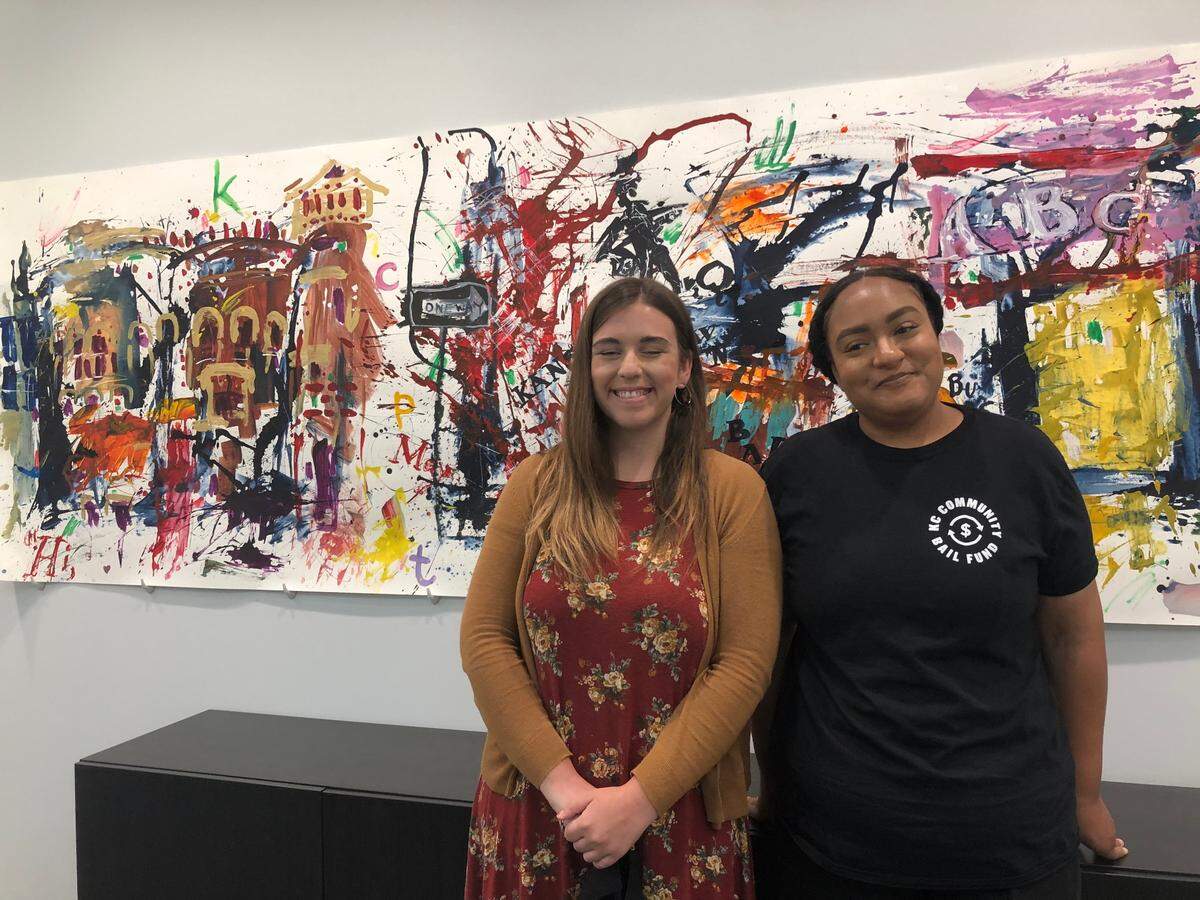
In the first few days of protests, when Kansas City police arrested over 200 protesters, the KC Community Bail Fund phone rang late into the night. Worley and co-founder Chloe Cooper gave their contact information to protesters throughout the day to make more people aware of their services.
Even though Worley said most protesters were arrested and released or let go on signatory bonds, she and Cooper still went to some jails at 3 a.m. with cash in hand to bail others out and help them return home.. If City Council members vote to drop protesters’ charges Thursday, the money paid for any of their bail will return to the organization. Bail money always returns to whoever paid the fee once charges are dropped, so some donations made to the organization are cyclical.
Oftentimes, Worley said the cash bail system works against homeless people and poorer individuals, who may rack up charges like trespassing for sleeping on park benches or receive parking violations without realizing it because warrants were sent to addresses where they no longer lived.
Those previous warrants and minor charges can lead to an even higher bail that many can’t afford to pay, meaning they’ll sit in jail until their court date months later and risk losing their jobs, housing and child custody.
Beyond posting bail, the organization also meets clients at jail, helps them get transportation and supports them through trials and hearings. By connecting clients to job training, housing services and court advocacy the organization hopes they’ll better understand their rights and receive fairer sentences.
“It’s so hard to navigate the legal system that a lot of times people just say ‘I’ll do whatever they say to get out,’” Cooper said. “They’ll take these ridiculous plea deals, and it’s just confusing.”
Cooper and Worley’s goal is to raise $1 million to post bail, provide job training and other support services to clients, educate students in local schools on the criminal justice system and advocate for an end to the cash bail system. While Missouri had implemented bail reforms meant to reduce fees last summer, Worley said people charged with minor crimes are often still expected to pay higher bail amounts than they can afford.
These systems and the war on crime mentality have led to higher incarceration rates for Black and brown people, Cooper said. Even though police presence and arrests at protests have decreased, she hopes people will continue supporting bail funds because of their ongoing advocacy work to fight systemic racism
“If you look a certain way or you don’t have a lot of money it’s like, ‘you deserve to be (in jail), we don’t care what you have to say,’” Cooper said. “It destroys communities.”
This story was originally published June 17, 2020 at 2:43 PM.