Police reform, body cameras and local control: Protesters demand change in KCPD
For the past four nights large multiracial crowds have converged on the J.C. Nichols Memorial Fountain on the Country Club Plaza to voice their anger and outrage about the video-recorded death of a black man by a Minneapolis police officer.
While images of protesters clashing with police and demonstrators throwing frozen water bottles and other objects at officers have grabbed news coverage in Kansas City, organizers say their purpose of their protest message has gotten lost.
Protesters have railed against police brutality. But they also have sought to bring attention to the need for local control of the Kansas City Police Department, the urgency to equip police officers with body-worn cameras and the demand for a uniformed police use of force policy.
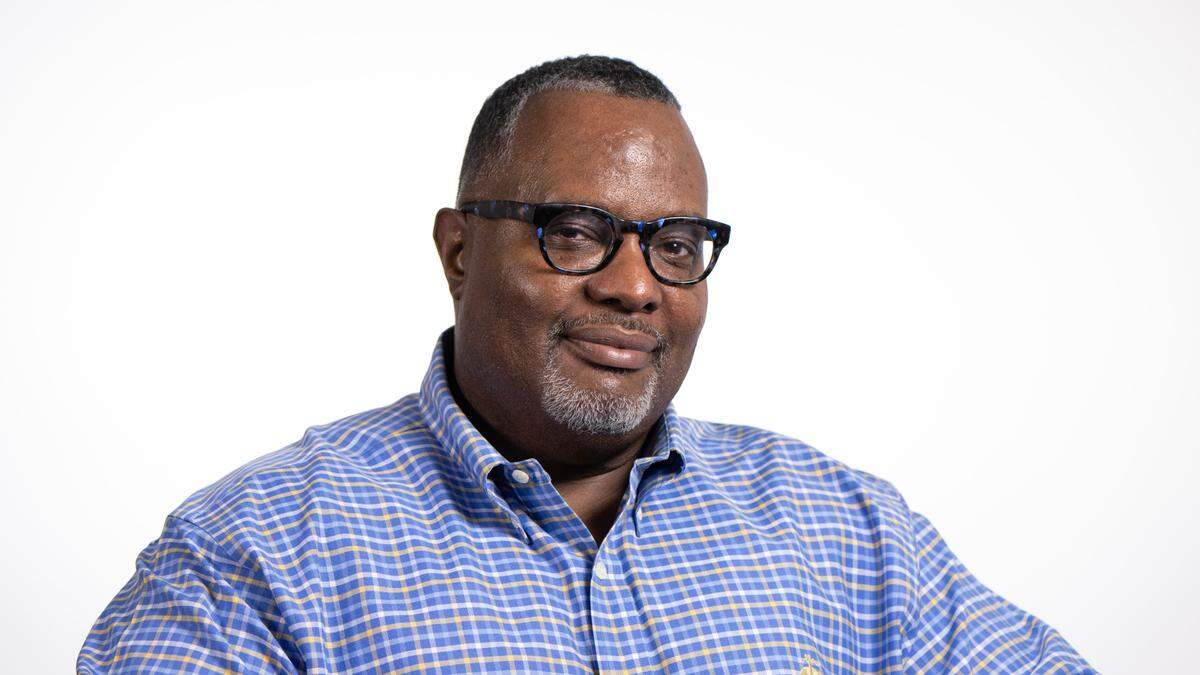
“This is not a black and white issue anymore,” said Henry Service, a Kansas City attorney and one of four protest organizers. “It is a good people and people of goodwill issue versus who would not do anything about an systemic ill in our society.”
On Monday night, the peaceful demonstration that at one point was led by Mayor Quinton Lucas later turned chaotic as protesters clashed with police officers. Tear gas and other devices were frequently deployed to break up unruly crowds. Businesses have been vandalized and damaged. Several officers were captured on video using pepper spray on demonstrators who refused to comply with their demands to stay on sidewalks.
Kansas City police said they wanted protesters to remain peaceful and not destroy property, said Sgt. Jacob Becchina, a police spokesman.
“We are committed to providing a safe environment for protests and for people to express their first amendment rights, we see the concerns on social media, we hear the phone calls and the other messages, we are committed to serving the community in a professional manner,” Becchina said. “For people that feel they have directly experienced improper police service please encourage them to contact Office of Community Complaints.”
The names of Ryan Stokes, Terrance Bridges, Cameron Lamb and Donnie Sanders — men who were gunned in fatal Kansas City officer-involved shootings — have frequently been mentioned during the demonstrations.
But the death of George Floyd, who died Memorial Day after former Minneapolis officer Derek Chauvin was captured on video with his knee on Floyd’s neck for nearly nine minutes, is what has galvanized the protests, said Gwen Grant, the president and CEO of the Urban League of Greater Kansas City.
“People are protesting because they witnessed George Floyd’s lynching at the hands of four police officers while he begged for air and onlookers pleaded for them to help him,” Grant said. “People are protesting because the other officers who pressed their knees on George Floyd’s body until he died while another officer stood guard have yet to be arrested.
“People are protesting because they are sick and tired of watching black men die at the hands of law enforcement for just living while black. People are fed up with the lack of transparency and accountability in law enforcement. People are protesting because they want change. The underlying cause of protests and civil unrest is the racist criminal justice system. Until we address that problem, the situation will only get worse,” she said.
Service said protesters are calling for the following:
Local control
Kansas City remains the only city in Missouri and one of the largest in the United States that doesn’t have local control of its police department. The police department is controlled by a board appointed by the Missouri governor, not the mayor.
In 2013, the Missouri Legislature voted to grant St. Louis authority to run its police force. Local control of the Kansas City Police Department will be among the topics that a newly formed public safety study group is expected to address.
Some groups have argued that local oversight would inject politics into the management of the police department.
Body cameras
In 2018, the police department took a step towards to equip its officers with body-worn cameras when it began accepting bids to purchase them. No action has been taken since then as the police officials have grappled with storing video footage and privacy issues.
Community leaders and civil rights groups have repeatedly demanded Kansas City officers to wear body cameras in the aftermath of recent officer-involved shootings.
Police officials have said they support the idea because it would increase officer safety and improve accountability.
Service noted that Atlanta officials fired two police officers after body camera footage captured the officers allegedly using excessive force while arresting two college students.
Use of force
Protest organizers say they want to see the creation of a “model” uniform use of force policy for police departments nationwide. The policy would ban choke holds, including the one used in Floyd’s death in Minneapolis.
“What we are hoping to accomplish is police reform. You can start off with this pie in the sky — put an end racism type of thing, but it is not going to happen,” Service said. “Racism is American as apple pie. But you can get certain things for protection.”
“So let’s have some laws that are going to save some of our lives,” he said.
Last week, Jackson County Prosecutor Jean Peters Baker said a group from her office joined protesters at Mill Creek Park to honor George Floyd and show their support for changes in the criminal justice system.
In 2017, Baker co-authored a report with recommendations for how county prosecutors and district attorneys in urban communities should handle police shootings. Baker said the reforms would enhance accountability and transparency among prosecutors. But those recommendations largely were not enacted, she said.
“The time for more study has passed,” Baker said a press release. “We already have a path forward. We only need to move forward. We must begin to methodically enact and build on these reforms.”
Baker said prosecutors should limit the use of grand juries in officer-involved cases, the need for outside and neutral investigators in all officer-involved cases.
“Police cannot investigate their own,” she said.
Other recommendations included diversity training for prosecutors, community policing, recruiting more minority officers and officers who live in the communities they serve, and citizen input on union contracts that contain provisions on how officers are investigated.
Other proposed changes
Groups such as the Southern Christian Leadership Conference of Greater Kansas City has sought police reforms and other structural changes since 2013 following the shooting death of Ryan Stokes.
Those also have included demanding body cameras, local control, reform of the Office of Community Complaints, change of the police department’s foot chase policy and the appointment of an independent oversight of investigations in cases that involve police use of force.
“Protests in Kansas City are erupting and social unrest is peaking because of the systemic and structural racism that exist within law enforcement across this country, and never to forget, right here in Kansas City,” said chapter president, the Rev. Vernon P. Howard Jr.
“The frustration, pain, and anger has mounted because of the images and videos exposing what has been occurring undercover for so long. Our (SCLC and coalition) work in combating racism through police brutality within the KCPD has included demands we have made to bring justice, most of which have been rejected, stonewalled or ignored,” Howard said. “The City, the KCPD Board of Police Commissioners, and the State have not responded genuinely and in good faith to concerns. The social unrest is the outcome.”
The Star’s Anna Spoerre, Robert A. Cronkelton and Katie Moore contributed reporting
This story was originally published June 2, 2020 at 5:12 PM.