‘It’s our duty’: Kansas City bus drivers face danger to help others get to work
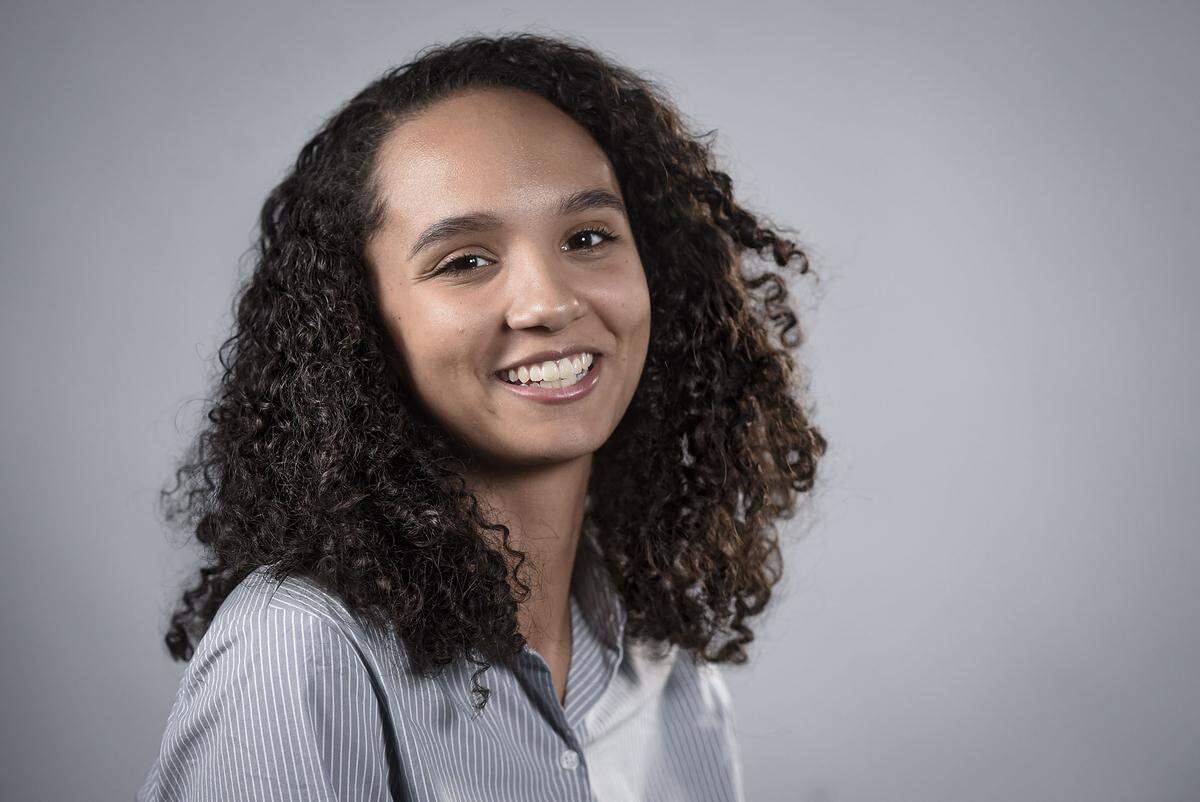
When Kevin Mitchell gets home after work, he heads straight through the garage to the downstairs bathroom to shower.
With a 10-month-old daughter and 4-year-old son at home, he doesn’t want to take any chances.
Mitchell, 35, has been a bus driver in Kansas City for 10 years. The job has always come with daily uncertainties, never knowing who will get on board at each stop or if he will deal with irritated riders. But the coronavirus pandemic brought a new danger: Anyone could be contagious. And he might bring that home to his kids.
Since the start of the pandemic, which has now killed more than 80,000 people in the U.S., Mitchell’s worries have only grown.
He is one of dozens of area bus drivers who spend their days ensuring other essential workers get where they need to go. The drivers, Mitchell said, are the “unsung heroes” of the pandemic. They don’t have the option of working from home or the ability to stop working: They need to provide for their families.
“A hero is someone that goes into the face of danger,” Mitchell said. “We perform a service and we deal hands on with the pandemic and the people in the public that may be affected.”
In March, the Kansas City Area Transportation Authority temporarily suspended fares on all buses, hoping to protect both drivers and riders by reducing the touching of surfaces and cash. It also reduced daily bus service, citing a sharp decline in ridership and increased absenteeism among drivers. In April, the agency also saw more than 120 drivers absent daily.
Amalgamated Transit Union Local 1287, Kansas City’s local chapter, has pushed for workers to receive hazard pay. But the union’s top priority, president Jonothan Walker said, is safety.
Walker said the union wants to see contract tracing and twice-a-month testing for employees.
“If I assume all the risk, my family assumes all the risk,” Walker said.
KCATA CEO Robbie Makinen said those are items the agency has been considering. It has also been working with Truman Medical Center to provide testing to staff who need it, Makinen said.
Once services were reduced and fewer drivers were needed, Mitchell was put on zone and sign duty. KCATA has laid off 66 part-time drivers.
People of color are overrepresented in frontline jobs across different industries, but particularly in transit, where more than 56% of workers are of color, according to the Center for Economic and Policy Research. Other areas of overrepresentation include health care occupations, trucking and building cleaning services.
Makinen said he realizes that everybody needs to be taken care of, but that he is constantly worried about drivers who are at higher risk.
At least 110 members of the Transit Workers Union have died of COVID-19. Another 45 members of the Amalgamated Transit Union have died and 1,000 union members have tested positive.
“Someone coughing in the back is gonna affect you in front,” Mitchell said. “It’s gonna carry. We are somewhat of a hero but like I said, it’s our duty and it’s our profession. We are professionals. So we have to go out here and provide for our family.”
Drivers are provided face masks and buses are disinfected every night. Social distancing on buses is also required, limiting the number of people who can board. There must be one seat between every passenger.
KCATA has also installed safety barriers on buses and drivers’ temperatures are taken before their shifts.
The transit agency recommends that riders also wear face coverings, but does not mandate them.
“They’re not technically classified as first responders but they are first providers,” KCATA Deputy CEO Jameson Auten said. “They get people back to where they need to be. … They’re out there on the front lines and working with the public. They’re all heroes.”
Auten said only one employee of nearly 500 tested positive for the coronavirus.
Mitchell said safety is the most important priority for passengers and drivers. While KCATA has taken some steps to protect everyone, he said more can always be done. For instance, he said, protective gear for drivers get should be upgraded. Makinen said there is always more to do.
Gratitude, Mitchell says, doesn’t keep his children safe.
For that, he washes his hands.