
Officials say not to panic after coronavirus is confirmed in Kansas and Missouri
A confirmed case of the new coronavirus in Johnson County is a “reason for concern but not panic,” county officials said Sunday.
Those comments came after the first cases of COVID -19 in Kansas and Missouri were confirmed Saturday. The disease, which has killed more than 20 people in the United States, continues to spread across the country.
Kansas Gov. Laura Kelly announced testing has confirmed, on a preliminary basis, that a Johnson County woman under 50 has the virus. Kelly said the woman is in isolation at her home. In Missouri, Gov. Mike Parson announced a presumed case in St. Louis County.
Both cases tested positive at the state level but need to be confirmed by the federal Centers for Disease Control.
Kelly emphasized that the state remains at low risk for spread of the virus. Johnson County health officials reiterated that message at a separate news conference Saturday evening.
Mary Beverly, interim director of the Johnson County Department of Health and Environment, said the county is lucky because the patient did “everything right” by using a mask once symptoms started and then self-isolating and reporting. The woman had traveled to the northeast United States and notified her doctor before seeking medical care so others wouldn’t be infected.
Beverly said the woman first experienced symptoms March 1 and went to her doctor’s office March 2 or 3.
“This is not something anybody needs to panic about or be frightened about,” Beverly said. “The risk to residents remains low, however the situation is evolving and subject to change.”
Symptoms of the disease vary, said Johnson County Health Services Director Nancy Tousz. Minor cases can be isolated in the home while patients with more severe cases may be held in a hospital. The department, she said, is receiving new information about the virus “almost daily.”
At this point, officials said the individuals at risk are those with direct contact with the woman, primarily those who live with her.
Those people are being observed for symptoms, she said, and the department is working to identify others who may have been exposed.
In an interview Sunday, Beverly said those who are identified as part of that investigation will be contacted by the department and asked to self-quarantine for 14 days.
Although there is no evidence of widespread community transmission in Johnson County at this point it is a “matter of time” before it happens, she said.
Because the county is not densely populated, Beverly said, the virus may spread slower than other areas. However, she said, population density is “not always an indicator” and residents should remain cautious.
Eighty percent of cases show little to no symptoms, making it possible that the virus is already more widespread than officials realize.
“We just don’t have any evidence to show (community transmission) right now,” Beverly said. “It’s better to err on the side of caution and think that this could be the case.”
Preparation
Officials had been preparing residents for the likelihood of coronavirus cases over the past week, saying it was only a matter of time before the virus turned up in Kansas.
Beverly said Johnson County is well equipped to handle the current situation. Other Kansas counties, however, have expressed concern about inadequate funding for local health departments.
Kansas has the ability to run roughly 60 tests for the coronavirus each day at its state lab. For caregivers and family members, the short turnaround is a “godsend compared to a five-day turnaround, which is very upsetting for everybody involved,” Lee Norman, secretary of the Kansas Department of Health and Environment, said Wednesday.
In an email to The Star Sunday, a Kansas Department of Health and Environment spokeswoman said the department ran three tests for COVID-19 Saturday. Two of them came back negative.
At this point the Johnson County health department is not encouraging businesses to cancel events or close offices.
People going to events such as this week’s Big 12 men’s and women’s basketball tournaments or traveling for spring break should be aware of hygiene and stay home if they are experiencing flu symptoms.
People who are immuno-compromised should speak with their doctor before attending large events or traveling.
At this point, Beverly said, businesses and schools should be considering how they would continue to operate if 30 to 40 percent of their workforce, or students, are unable to work.
“We’re just going to have to see how this develops and we’re hoping we won’t get to that point,” she said.
The Johnson County Department of Health and Environment is providing updates on the situation at jocogov.org/coronavirus.
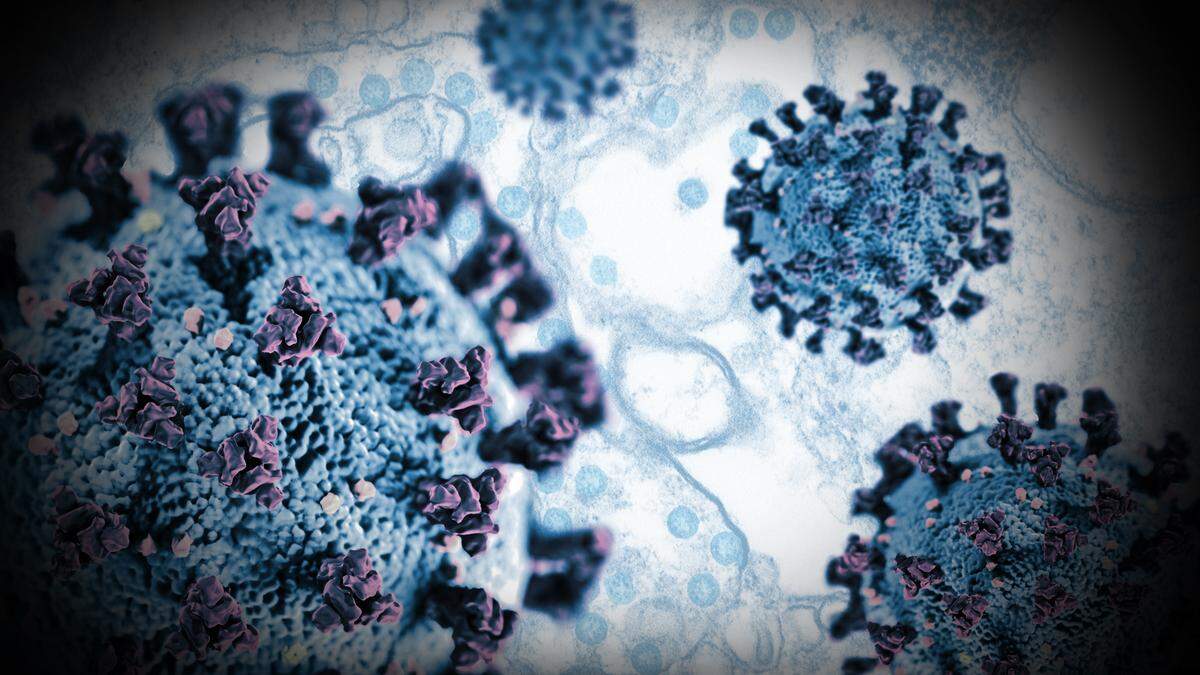
Coronavirus in Missouri
In Missouri, the state-confirmed case involved a St. Louis County woman in her 20s who had been studying abroad in Italy, where the disease is more widespread.
The woman is currently in good condition and county and state health officials are working to track down anyone she had close contact with, said Dr. Randall Williams, Director of the Missouri Department of Health and Senior Services.
Williams said this will likely take all week as the department will need to contact up to 50 or 60 people. However, he said, the early identification of the case likely prevented the spread of the virus to a high risk individual.
“To the public we define close contact as 15 to 30 minutes within six feet,” he said. “Just being in the same restaurant or being in the same building does not at all put you at high risk.”
In a statement Sunday, Amtrak said the woman traveled Wednesday on train 303 from Chicago to St. Louis. The railroad company said it was notifying passengers and employees who may have been on the same train.
“As a precaution, we have taken the train out of service for comprehensive cleaning and disinfection,” the statement said, “and are also working to do a thorough disinfection of the Chicago and St. Louis stations.”
The virus has infected more than 100,000 people worldwide and has killed more than 3,500 people. It emerged in more than 100 countries and has edged into more U.S. states, including Florida, Pennsylvania, Indiana, Minnesota and Nebraska. As of Sunday, all but three of the victims who died in the U.S. were in Washington state.
No cases have been confirmed in Kansas City, where Mayor Quinton Lucas released a joint statement Saturday night with the city’s health director and emergency medical services director following news of the coronavirus in Kansas and Missouri.
“While we do not yet have confirmed cases in Kansas City, we know we may have them in the future,” the statement said. “Our Health Department is leading our preparation and is working closely with several other city health departments across the nation. Additionally, cities and counties across our state are working together to share information and we will keep working with our regional partners to keep the public safe.”
The city’s health department declined to comment further Sunday.
As outbreaks around the country continued to spread, Kansas City-area universities began canceling study abroad programs, bringing students home and suspending travel to the hardest-hit countries of China, South Korea and later, Italy.
Some of the students were asked to self-isolate for 14 days when they got home, following a recommendation from the CDC.
Preventing illness
From the beginning, public health officials worried that people would panic when the virus hit close to home, as it has now for Kansans.
Without a vaccine available yet, you are a good line of defense in controlling the spread of the virus in communities, officials say.
The CDC calls them non-pharmaceutical interventions — NPIs, those things, other than taking medicine, people can do to help slow the spread.
Mostly, these are the same steps the CDC recommends for preventing the spread of the flu and the common cold.
▪ It can’t be said often enough: Wash your hands. Scrub them with soap and water for at least 20 seconds. One way to keep track: Sing “Happy Birthday” twice.
▪ Use an alcohol-based hand sanitizer if soap and water are not available.
▪ Cover your mouth and nose with a tissue when you cough or sneeze, or direct it into the crook of your elbow instead of into your hand. Don’t just let those sneezes fly. If you sneeze into a tissue, throw it away, then wash your hands.
▪ Avoid touching your face — your eyes, nose and mouth. Be aware of this. You might surprise yourself how often you do this.
▪ Avoid sick people, and stay home when you are sick, which experts know won’t be possible for everyone.
▪ Keep your environment clean. Wipe down door handles, counters, workstations, phones and other surfaces that are touched frequently, especially if someone gets sick. Experts say the virus can be killed by most household cleaners and, for now, there’s no reason to go above and beyond routine cleaning, the CDC says.
The CDC currently advises businesses to encourage sick employees to stay home. It also recommends that employees who show up with signs of an acute respiratory illness — they’re coughing or short of breath — or who get sick at work “be separated from other employees and be sent home immediately.”
The CDC also recommends that businesses not require employees to get a doctor’s note to validate their illness or return to work because health care providers “may be extremely busy and not able to provide such documentation in a timely way.”
The Kansas health department is adding new information to a coronavirus “toolkit” on its website at kdheks.gov/coronavirus.
The department also has a phone-bank operation staffed during regular business hours through March 13. The number is 866-534-3463.
For general inquiries, the department’s email is COVID-19@ks.gov.
Prepare an emergency plan
If you don’t already have one, create an emergency plan for your family.
The Department of Homeland Security has a suggested plan posted on its “pandemic” web page, which recommends that before a pandemic is declared you:
▪ Check to make sure you have a “continuous supply” of your prescription drugs. There are concerns that the outbreak might make supplies of medical products and drugs — for both humans and animals — hard to come by, especially those made with ingredients that come from China. The Food and Drug Administration is working with manufacturers to mitigate shortages.
▪ Make sure you have nonprescription drugs and other health supplies ready, including cough and cold medicines, vitamins and pain relievers.
The CDC also recommends asking your employer if it’s possible to work from home if schools and day cares should shut down. If that’s not possible, talk to other family members, neighbors and others to make alternative child care plans. State health officials have said they will leave decisions to close schools up to local authorities.
No masks, for now
Health officials say there’s no reason for people who aren’t sick to wear a mask, for now. Consider: When you’re at the doctor or urgent care, it’s the coughing patients who are asked to wear a mask, not the well people.
At this point, “the CDC does not recommend that the general public go around wearing masks,” said Hawkinson.
In fact, the U.S. surgeon general has said as much.
“Seriously people — STOP BUYING MASKS!” surgeon general Jerome M. Adams tweeted. “They are NOT effective in preventing general public from catching #Coronavirus, but if health care providers can’t get them to care for sick patients, it puts them and our communities at risk!”
The Associated Press contributed to this report.
This story was originally published March 8, 2020 at 4:08 PM.
.jpg)