A later fall school start has parents pressed to find affordable camp for their kids
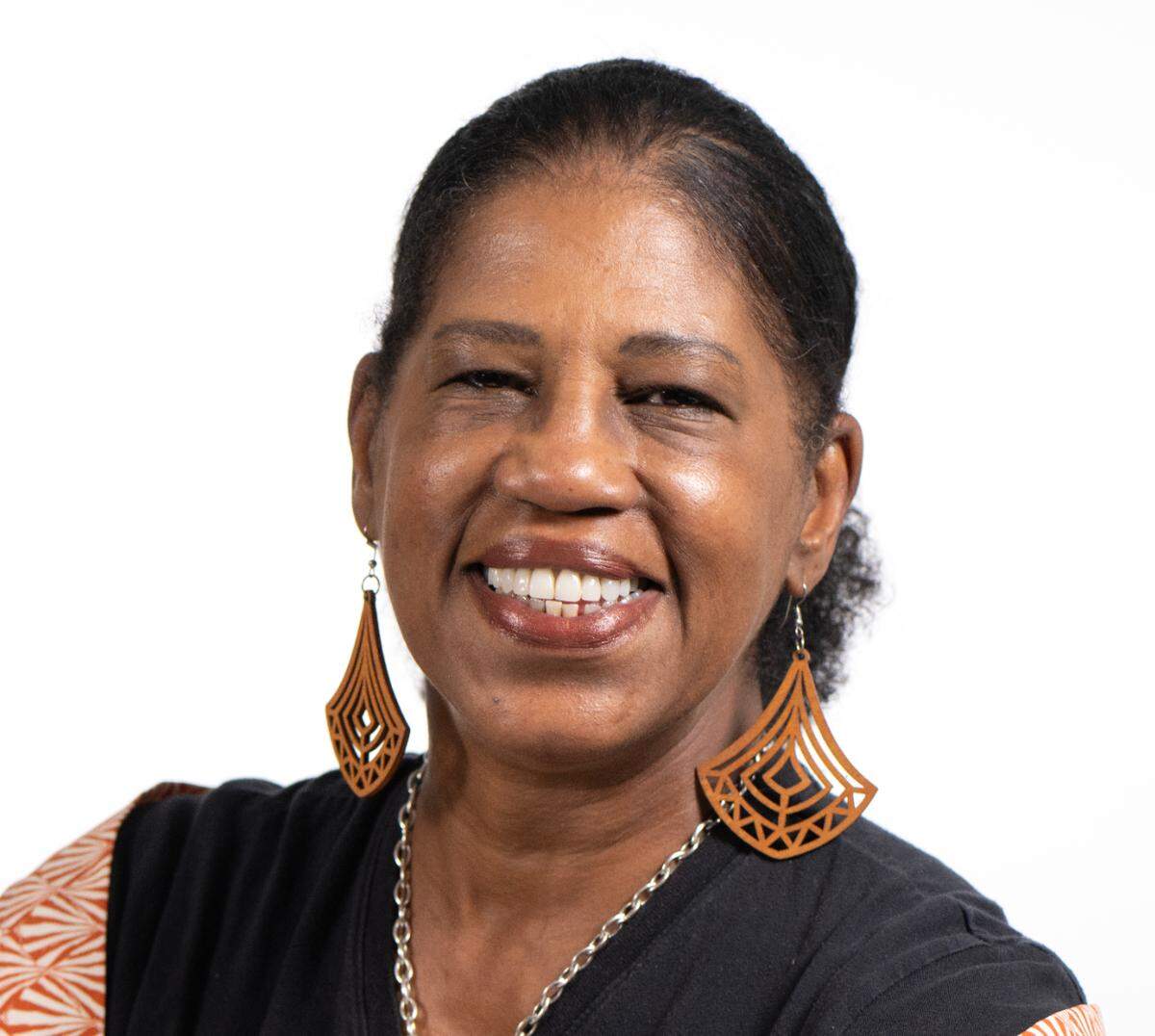
Last June Asia Burks had the perfect setup: days after school let out for summer, her three children along with about 2,000 others, attended the Upper Room’s free learning camp.
“I knew my boys were safe, they were fed, and they were learning, a lot,” the single mother said.
School started back shortly after camp wrapped up. “It was a great transition.”
Burks was all set to take the same route this year. Then she heard about the new law, signed in July by Missouri Gov. Mike Parson, that bars public school districts from starting their fall terms any earlier than ten calendar days prior to the first Monday in September.
It means that Burks and hundreds of other parents will have a difficult decision. They can leave their kids without a summer program for about two weeks, or pay for child care or costly extended camp.
“It’s a devastating blow,” Burks said. “To be honest with you I do not know what I am going to do. I know a lot of people say they are just going to wing it.”
The Kansas City Public School District will start its 2020-21 academic year on Aug. 24 — a full two weeks later than last fall. District leaders are frustrated by these new limits the legislature has imposed, largely for the benefit of Missouri’s tourism industry.
“Historically, the tourism and hospitality industries have favored later back-to-school dates, arguing that it gives families more time to take vacations and teenagers more time to work summer jobs,” according to a report by the Pew Research Center.
School leaders don’t like lawmakers getting involved in setting school calendars, arguing that it limits local control. They call the new law an unfair mandate because, while it impacts every public school district in the state, it exempts charter schools. In addition, they said, it could hurt student performance on some final exams.
Kansas City Public School leaders said they are talking with community groups about extending summer school programs to help cover the increased gap.
“We are really worried about serving our students through the gap,” said Kelly Wachel, KCPS spokeswoman.
A review of community summer programs on the non-profit website, InPlay, which provides a free national listing of summer and after-school programs, shows that about 94% of summer programs end by August 4, nearly three weeks before Missouri students will return to school.
For the last 20 years, the Upper Room has offered a free, six to seven-week summer program for thousands of Kansas City area students.
Kris Collins, who oversees that summer program, said this year Upper Room extended its offerings nearly two weeks, to end on July 31, “because we knew about the new law.” A longer extension wasn’t doable, she said, because their workers are certified teachers who “need some kind of a break,” during the summer.
“They are tired having taught all year and half the summer,” Collins said. Other workers are college students who themselves have to return to school.
The extension helps but is not enough to avoid leaving hundreds of parents scrambling to find some affordable activity for their children to fill the remaining three weeks before school starts again.
“Not all of our families are able to vacation,” Collins said. “Some of our parents are working. Kids in high school and middle school they can stay at home by themselves. But what about parents with younger children? What are they going to do? Some parents, she said, have already started to panic.
Summer programs in the Kansas City area run from about $100 to nearly $200 a week per child. Burks, who works as an administrative assistant, said it would cost her as much as $1,350 to bridge the gap between free summer learning at Upper Room and the start of school for her three children.
“I didn’t pay that last year and I wasn’t planning for it this year. It’s too expensive. I can’t afford that. It is really heavy on a parent,” she said.

Melissa Robinson, Kansas City’s Third District council woman and the mother of two, said she recently learned that her childrens’ program will end the last week of June. “I frantically started looking for programs to bridge that gap,” she said. But she too was shocked by the cost. Robinson said it would be nearly $900.
“We are looking at taking vacation time and staying home with our kids for a couple of weeks and depending on family and friends,” she said. “It is very difficult to piece meal a plan together.”
The experience, said Robinson, who represents the largest chunk of the city’s urban core, has led her to consider talking with city officials, Kansas City’s department of parks and recreation, and local non-profits about pulling together “to provide a centralized place where people can find services to address this gap,” for next year.
Winter break learning lag
The camp gap is not the only one the new law creates. Districts say it also forces a gap between the academic momentum students have gained before winter break and when they actually take final exams.
Wachel said the later start makes it difficult to divide the year into two semesters of fairly equal length. To make it work next year, high school students will take finals after they return from winter break.
Schools avoid scheduling finals after a long holiday because they’ve found that students don’t score as well as when tested before the break.
In addition, testing before the break “allowed the district to provide students an important mental break following their finals,” said Katy Bergen, spokeswoman for the Lee’ Summit School District which will start on Aug. 26. “Next year, students will take finals in mid-January, creating a two-week span for students to prepare for their tests after winter break. That’s an impact that has been frustrating from an academic perspective.”
Equally as frustrating, school officials said, is lawmakers legislating start times without more input from district leaders.
What is ultimately at issue, said Kenny Southwick, executive director of the Coordinating School Districts of Greater Kansas City, is that educators believe local school boards should be able to decide when school begins. Mandating a start time, he said, “is chipping away at local control.”
“We did not want a state law mandating a start date,” said Otto Fajen, legislative director for the Missouri National Education Association, a union representing teachers. “Different parts of the state have different needs. And schools should start based on the educational needs of the students in the school district.”
The new law is not one that Charter schools in the state must adhere to.
“We are exempt,” said Robbyn Wahby, executive director of Missouri’s Charter Public School Commission. “That is the idea of charters. We are not the same. Charters were set up with flexibility and autonomy.” That flexibility, she said, has allowed some charter schools to operate year around and others to start as late as Labor Day.
But Wahby said she understands the districts’ frustration. “But we should not be thinking about limiting charters to something the districts don’t like. Districts should go and get the law changed. It is a debate they should be having on the floor of the Missouri General Assembly.”
But Southwick said he isn’t getting any sense there is a movement among legislators to change the law.
He said that while districts in the Greater Kansas City area are unhappy with the new law and will talk with legislators about their concerns, “we don’t want to give the impression that we are against everything because we are not,” Southwick said.
“Districts plan to pick the battles they do with the state on issues. So for now, “Southwick said. “I think we’re going to have to live with it for a while.”
This story was originally published March 10, 2020 at 5:00 AM.