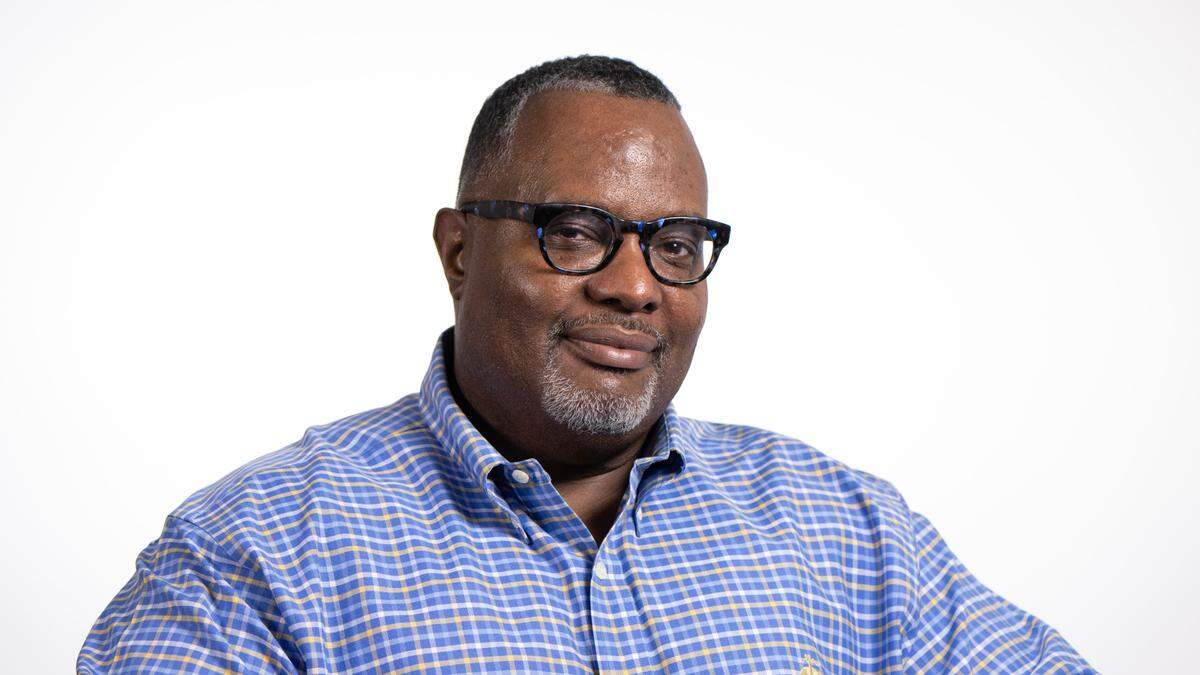
Former KSHB Kansas City sports reporter Dee Jackson settles race discrimination suit
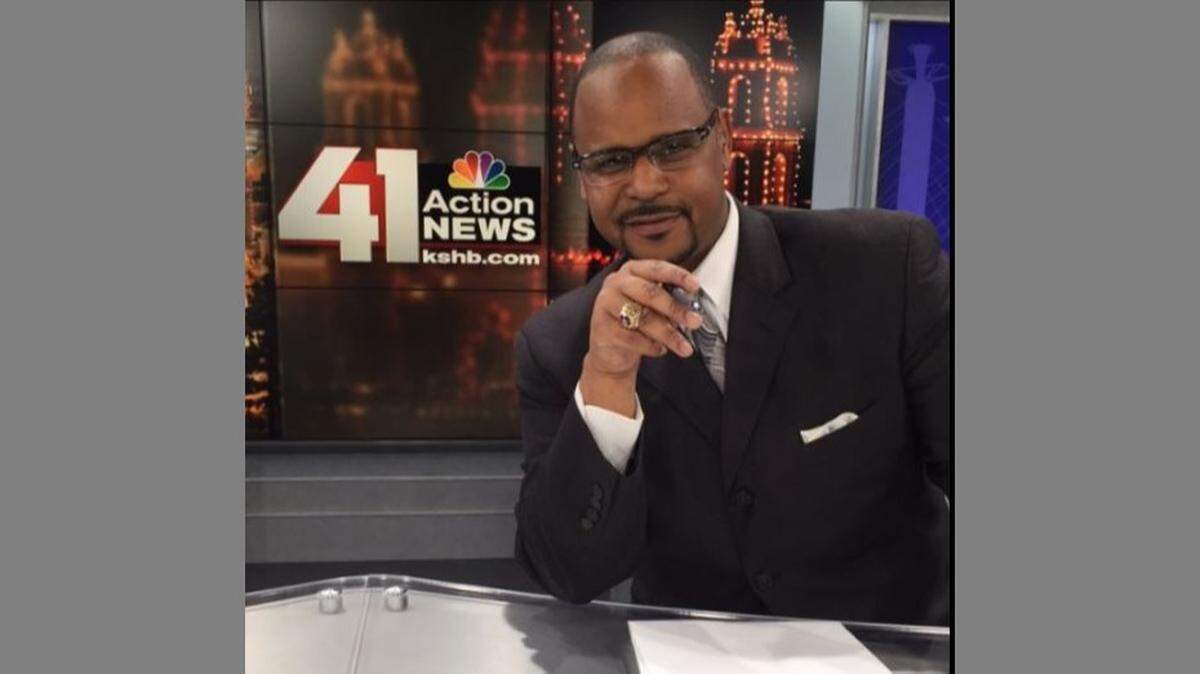
Former KSHB sports anchor and reporter Demetrice “Dee” Jackson has agreed to a confidential settlement in his race discrimination and retaliation lawsuit against NBC’s Kansas City affiliate station.
The case was dismissed Tuesday in the U.S. Court for the Western District of Missouri. The terms of the agreement were not disclosed. Jackson had sought monetary compensation.
Jackson, an Emmy award-winning sports reporter, had been with the station since 2013 when he filed the lawsuit in May 2018. The lawsuit said Jackson was twice passed over for sports director after management led him to believe he would get that job.
In September 2018, Jackson said he was out covering a Kansas City Chiefs practice when he received a phone call and was instructed to immediately return to the station. Once there, Jackson was told that his contract would not be renewed and that it was his last day.
The lawsuit was scheduled to go to trial this month but it was rescheduled to begin in August.
Jackson said Thursday that he was happy with the outcome of the case and “was overwhelmed by the amazing show of support.”
Kari Wethington, a spokeswoman for the E.W. Scripps Co., KSHB’s parent company, confirmed in an email that the matter has been resolved and the allegations were withdrawn.
“Scripps is committed to diversity and inclusion in its workplaces,” Wethington said.
In court filings, Scripps denied Jackson was discriminated against based on his race and said the sports director job was never offered nor promised to Jackson at any time.
Job offered
Jackson alleged that in 2013 Carrie Hofmann, who was the KSHB news director at the time, recruited him to come to Kansas City. At the time Jackson, who grew up in Kansas City, was sports director of a television station in Montgomery, Alabama.
Jack Harry, who was then KSHB sports director, was contemplating retirement and Hofman wanted to ensure that someone was in place when that happened, Jackson said in his lawsuit.
Jackson turned down the offer but asked to be considered when KSHB’s sports director position became available. Jackson eventually joined the station in September 2013 and had the understanding that he was next in line for the job.
The station later hired Joseph ‘Mick’ Shaffer, a white man, as its sports director when Frank Boal retired as sports director.
In September, Jackson told The Star that the way he was released was unfair. Among other things, Jackson said, he wasn’t allowed to say goodbye to his co-workers or prepare a resume tape that he could present to a future employer.
Jackson alleged he was treated differently and his race was a contributing factor.
Lisa Benson Cooper
Jackson was the second African American KSHB reporter who sued the station in federal court for race discrimination and then lost their job.
In 2016, Lisa Benson Cooper sued KSHB and then was terminated last year after working as a general assignment reporter at the station for 14 years.
Jackson said in court filings that after Cooper filed her lawsuit he noticed an influx of African American employees had been hired at KSHB.
Prior to Cooper’s lawsuit, no African American had been hired and featured for what were “considered the premium on-air position — those with high visibility or leadership roles, in prime-time weekday evening newscasts.”
Cooper lost on her race discrimination claim, but won a retaliation claim.
Cooper said she was pleased that Jackson has resolved his discrimination claim against KSHB.
“I believe his decision and bravery in filing his lawsuit further highlighted the racial biases and disparities that exist at KSHB-TV-41 Action News,” said Cooper, who works as an independent diversity, equity, inclusion and anti-racism consultant.
Cooper said she never received any diversity, equity or inclusion training during her 14 years at the television station.
“For the most part, conversations about race in the newsroom we’re relegated to suspect descriptions,” Cooper said Thursday.
“So it’s great to hear that the company is prioritizing diversity and inclusion. My only hope is that once there’s a clear foundation and understanding of how implicit biases and racial ignorance impact a newsroom, it’s followed by a plan for change and accountability.”
This story was originally published February 20, 2020 at 12:26 PM.