T. rex and Carnegie Hall: College faculty must get creative to pay for pet projects
University of Missouri professor Phong Nguyen used to bring in guest speakers for his creative writing classes by using cash from his department’s coffers.
“But it’s gone,” he said. So he’s found a different source of funding: donations big and small from the general public.
In an age of shrinking university budgets and pushback from students unwilling to pay high tuition, professors like Nguyen across the country are turning to Gofundme and other crowdfunding sources to get the money they say they need to do their jobs right.
Last month, Nguyen was online asking for $15,000, the first time he’s made such a request in his teaching career.
MU has a whole page on its website, missouri.edu, full of faculty, researchers and student groups crowdfunding for one thing or another. Many of the requests — from a few thousand to more than a hundred thousand dollars — are for scholarships. But also on the page are such requests as $100,000 for the Alexander Pickard School of Music building fund. Another looks for cash to keep researchers working in labs while they await grant money.
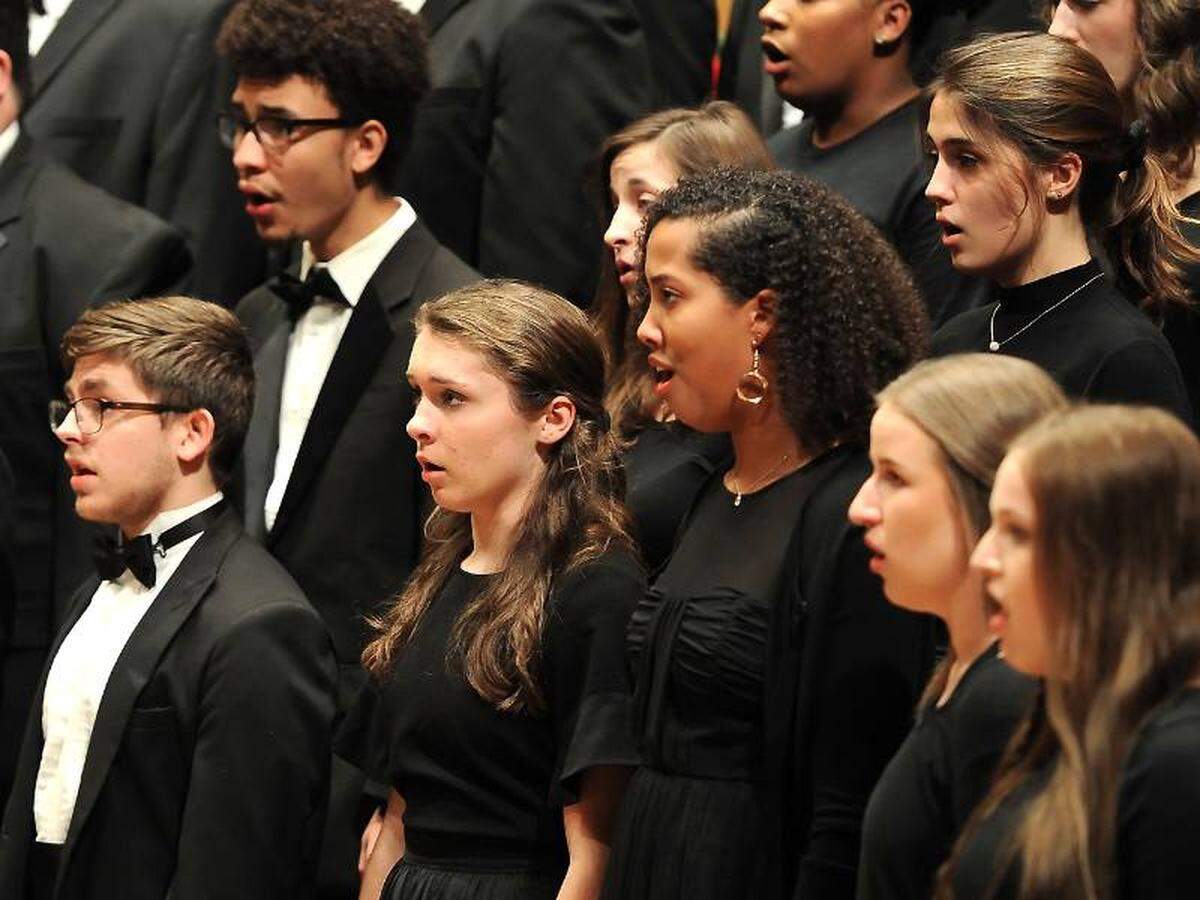
At Wichita State University, Tom Wine, director of the A Cappella Choir, is looking for a little more than $3,000 to help 34 students perform in Carnegie Hall this spring.
At the University of Kansas, crowdsourcing efforts have raised more than $5,000 to help the university’s Lied Center bring in diverse performers. Another $6,180 was raised to help the KU Student Legal Aid Clinic go mobile to help needy Lawrence residents. A KU paleontologist routinely counts on crowdsourcing to fund expeditions to dig for dinosaurs in Montana.
The foundations at KU and Kansas State University urge donors to give to whole departments rather than small individual projects.
In these lean times, it’s money for the beyond-the-classroom extras that is often the first that’s cut, Nguyen said. It’s usually not a big dollar amount, but for him it makes a big difference in his ability to expose his students to the highest caliber authors.
“When you don’t have significant budget you have to be creative,” he said. Crowdfunding means he can also open those guest lectures and book signings for the public to attend. That, he said, connects the university with the community supporting it.
Public colleges have traditionally run years-long funding campaigns that bring in millions of dollars for scholarships, building renovations and endowments. But the smaller, targeted donations, like the campaign Nguyen launched on “Giving Tuesday” — the first Tuesday after Thanksgiving each year — are especially critical now as public universities contend with dwindling state investment and sluggish enrollment.
In 2017 MU announced it would slash 12 percent off the budget of every division on the Columbia campus. At the time, officials said it was the largest such budget reduction in recent memory and said the university needed to manage revenue loss because of state funding reductions and enrollment declines.
So faculty got creative.
Crowdsourcing works
Across the country, online fundraising has been gaining popularity.
In 2014, two college buddies launched the online college fundraising platform GiveCampus, similar to GoFundMe and Kickstarter but specific to schools. It started with 15 schools and, in its first year, helped roughly 70 of them raise $10 million. In 2018, the most recent available data, the platform was used by more than 800 schools. That year, online giving to higher education institutions was up 27% over 2017, according to a GiveCampus study. And, the study says, both the number of donors and the amount of the gifts increased.
“Online giving to colleges and universities is exploding,” said Kestrel Linder, a co-founder of GiveCampus. “It has been growing hand over fist for the last five years, and there is no end in sight.”
A year ago, 200 more schools started using the GiveCampus platform, and Linder expected another 200 to sign on in 2019. Those 2019 numbers will be available later this month.
In the Midwest, Linder said, Missouri State University and Wichita State University were two early participants in the trend and now have a long list of ongoing crowdsourcing campaigns.
He said the boom “reflects that everything else in the last 15 years has moved on to the internet,” so why not fundraising? At first most colleges and universities were “just dipping their toes in,” Linder said, with small targeted projects, but more and more campuses are crowdsourcing for their large, general use campaigns.
Higher education, he said, has discovered the “power of social media” to allow a lot of people to give small amounts rather than rely on a few donors giving big dollars.
He said campuses got in on the movement thinking it would attract more young givers, but they quickly found “it’s not only popular with people in their 20s and 30s but older donors who tend to have a capacity for giving more money. I think schools were pleasantly surprised by that.”
But it’s clear, Linder said, that “this is is the way that people have grown more accustomed to giving their money in the last 15 years. People want to know where their money is going and how it’s being spent.” A recent survey by Linder’s company found that 44% of those who had not donated said “they would be more likely to give if they could select how their donation would be used.”
People who are giving small amounts may not feel they have the liberty to target their giving in a big billion-dollar campaign, he said.
But MU’s crowdfunding page is operated by the same university department that runs its billion dollar campaign. In fact, said Christian Basi, university spokesman, money raised for the small crowdfunding projects is counted as part of the university’s overall fundraising effort.
“Tuition dollars are going toward making sure students get a quality education,” Basi said. “But we cannot fund everything.” He said that when faculty members get a great idea that is going to enhance class instruction, “they have to find a way to fund it.”
Crowdsourcing dinosaurs
Consider David Burnham, professor of paleontology at the University of Kansas, which also has a direct funding page full of faculty and student group requests.
Two years ago he wanted to take grad students to the Hell Creek Formation in eastern Montana to dig for remains of a Tyrannosaurus rex dinosaur, a trip he knew would plump up his students’ research experience in a way they would not soon forget.
But there wasn’t money in the budget to fund such an expedition. Burnham, with the help of the school’s communications department, launched a crowdfunding campaign that became one of the university’s most successful such efforts.
Without the crowdsourced dollars, Burnham and his crew might have gone to Hell Creek, but they couldn’t have made the trip as soon as they wanted or taken additional researchers and equipment, nor stayed as long as they did.
“We would have had to spend a lot of time looking around for grants,” Burnham said. ”But crowdsourcing, within weeks we had raised enough to start and get out in the field.” While he and students worked in the field, they used Facebook to tell donors how their money was being used. Additional dollars continued to flow in to pay for the trip, and then some.
It helps, Brunham said, to have a fundraiser that matches the particular interest of donors. In his case, “everybody loves dinosaurs, especially the T. rex. So while the dino dig project attracted some big money and opened doors to competitive grant dollars, it also pulled in a lot of small donations that added up to get the effort off the ground.
Burnham’s paleontological digs have reaped an array of fossils and skeletal pieces from the dinosaur community, including roughly 20% or more of a T. rex. He’s planning to head out on another expedition, funded with grant and donor dollars, this summer.