Shawnee Mission teachers are the best paid in the state. But they want something more
Dressed in bright red to show solidarity, dozens of teachers protested ahead of the Shawnee Mission school board meeting Monday night, demanding higher pay, lighter workloads and smaller class sizes.
After more than six months, the district and teachers union still have not been able to agree on a new contract for the current school year.
Both sides acknowledge that Shawnee Mission teachers are the highest paid in the state.
“It’s not about money,” Trailridge Middle School teacher Heather Mayfield said as she joined fellow protesters bundled against the cold. “It’s about teacher working conditions. It’s about us being equitable with the other districts in the area in terms of workload.”
Teacher contracts are typically agreed upon before the start of school. The last time contract talks lasted this long was in 1998, according to previous reporting by The Star, when an agreement was reached in late November of that year.
Educators have been packing school board meetings over the past couple of months. After the two sides failed to agree on terms, negotiations have entered a state-mandated fact-finding process. Teachers are still operating under last year’s contract.
When negotiations reached an impasse this summer, the district had offered a 1% base salary increase, plus a bump in contributions for health insurance premiums. In all, district spokesman David Smith said, the increase to compensation would total roughly 3%.
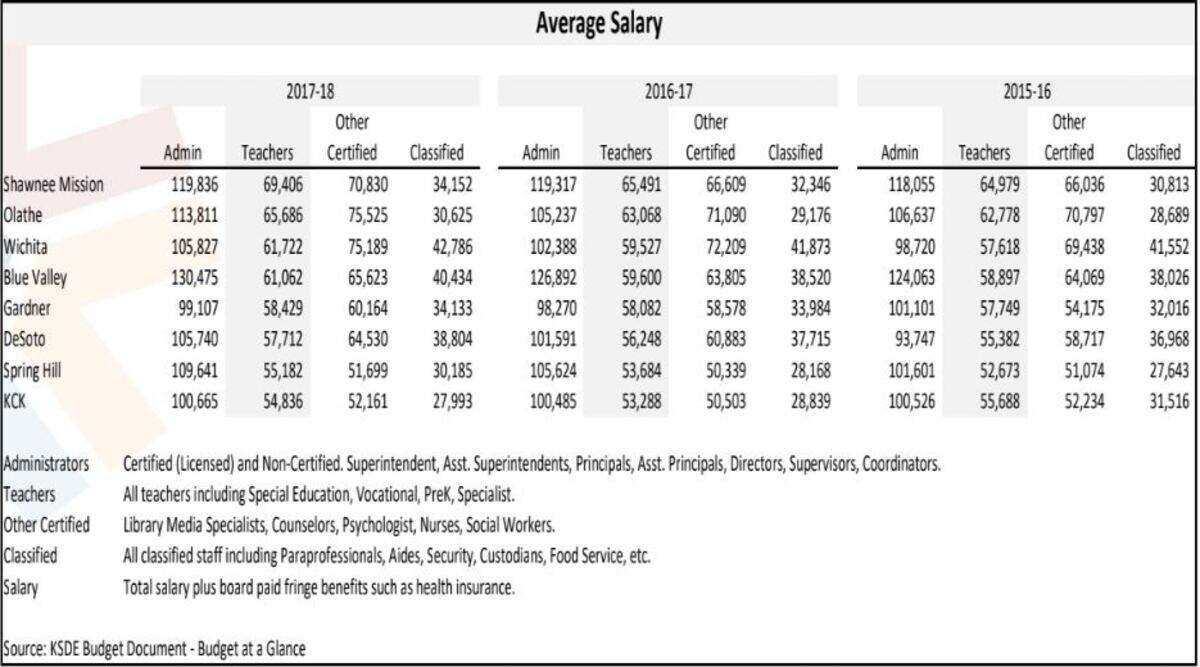
Teachers in the district earn an average of $70,000 per year in salary and benefits, according to state figures.
“We are proud that our teachers are the best paid in the state. That’s a point of pride for us because they deserve it,” Smith said. “We want to come to an agreement. We would like to get through fact-finding and get a contract as soon as we can.”
But the union did not accept the 1% salary bump, arguing the district is not doing enough to reduce class sizes and improve working conditions. Middle school and high school teachers, for example, instruct six sections per day, compared to five in nearby districts.
“I don’t have time to plan. I don’t have time to give my students the attention they need,” Mayfield, an English teacher, said. “To spend one-on-one time with all of my 160 to 175 students, that would be hours and hours of my time to provide adequate feedback to each student.”
Teachers’ workloads were increased during former superintendent Jim Hinson’s tenure due to budgetary constraints. But now that the district has more money, union leaders argue it’s time to go back to lighter class loads.
Kansas lawmakers in April approved $90 million more for schools to resolve a nearly decade-old lawsuit over school funding. The Shawnee Mission district received an additional $9.8 million this school year.
“We would be willing to take a lower salary increase if they would entertain a plan for how to reduce class sizes and class loads,” said Linda Sieck, president of the National Education Association-Shawnee Mission. “We ask that they hire enough staff so over the next three years we could lower the load for high school and middle school teachers, and work on hiring more teachers to reduce elementary class sizes.”
Monday night, one protester’s sign featured a picture of the Grinch and the words, “Is your heart too small? Class size matters.”
District guidelines call for 24 students in kindergarten through second grade classes, and 27 students for grades three through six. Those numbers are comparable to neighboring Blue Valley and Olathe, though those districts call for a maximum of 28 students for grades four and five.
But many Shawnee Mission teachers argue their class sizes have grown to around 30 students. Smith said 15 elementary teachers were hired this year to keep up with growing enrollment. He did not provide that figure for middle or high school teachers.
This past spring, the school board heard a presentation on how the district plans to spend that additional money. That included adding new full-time positions and increasing health insurance premium assistance, with more than $4 million going toward utilities, transportation, supplies and services.
“We’re not in financial crisis time,” Sieck said. “We have a governor very in favor of funding our schools, and the Legislature allocated money for that purpose. Our district is using it for costs they know they’ll have every year. Why are they dependent on this money from the state to meet those routine business costs?”
District leaders have discussed rising costs for transportation. And in May, officials estimated utilities would cost $1.2 million more than last year.
Smith said adding teachers and classroom space to reduce class sizes would cost the district millions. Cutting back the number of sections for high school teachers, for example, is estimated to cost more than $3 million. Reducing elementary class sizes by two students each would cost the district roughly $2.3 million, Smith said, not including the cost of adding classroom space.
“In our perspective, that is something that has to be planned for,” Smith said. “It is something in our strategic plan because it’ll take a lot to figure out the finances associated with it and the logistics to make it happen.”
As part of the fact-finding process, the district and union will schedule a time for a hearing where they will share testimony. The designated fact-finder will examine all of the information and eventually issue recommendations for the contract. Then, the district and union will have a chance to negotiate once again.
If that is unsuccessful, the school board will be responsible for determining the terms of the final contract, board president Brad Stratton said in an email. Then, teachers could decide whether to accept the contract, work under the terms of last year’s contract or resign.
During Monday’s school board meeting, district employees and family members sat on the floor and crowded doorways, listening to teachers share stories of working more than 70 hours a week, dealing with rising health insurance costs and struggling to meet the needs of their students.
“For a long time, I think that teachers have felt like if we are doing our jobs well, then we don’t talk about the hard things,” Mayfield said. “I think one positive thing coming out of this is we’re finally talking about why our job is hard.”
This story was originally published November 11, 2019 at 8:07 PM.