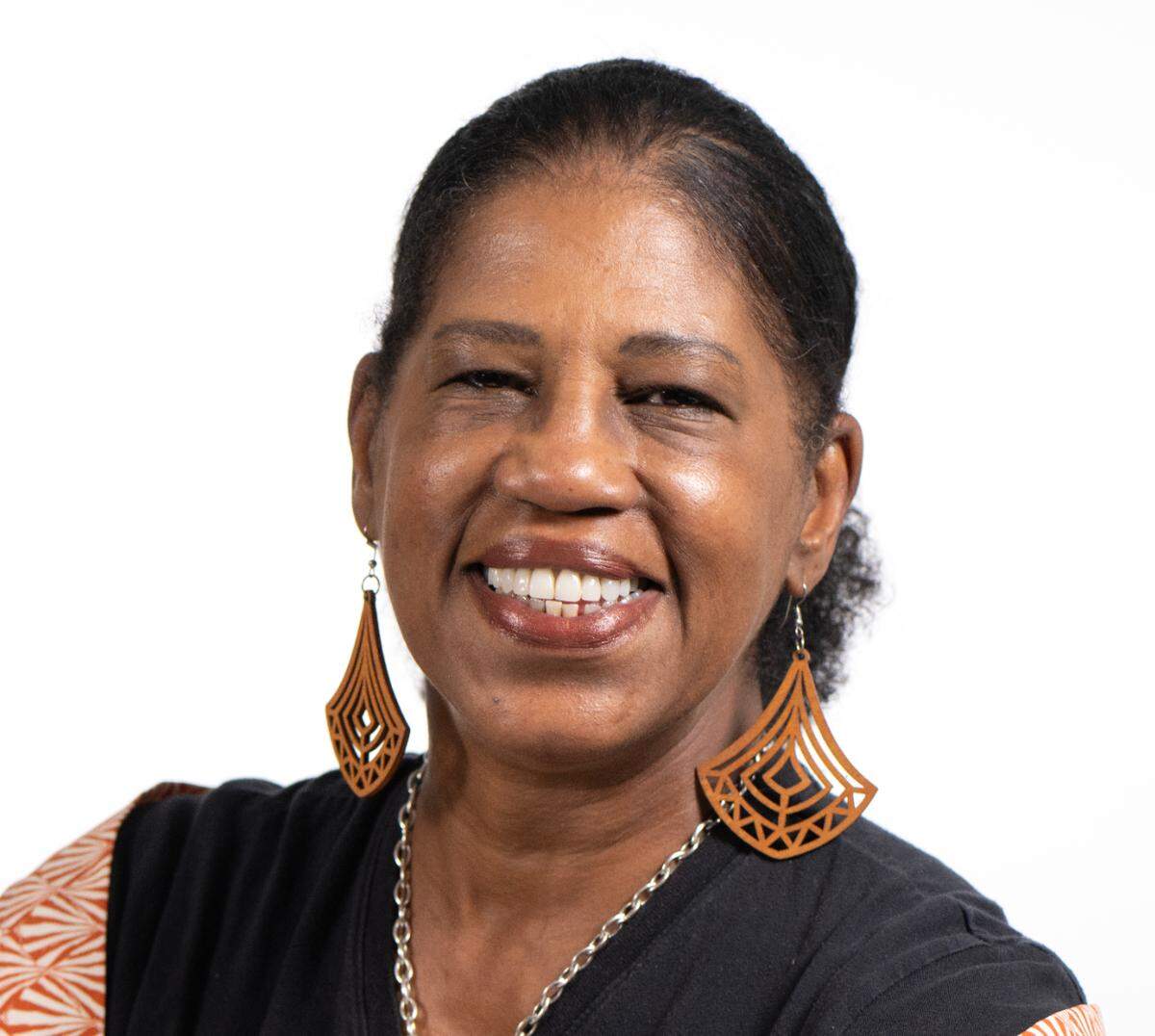
‘It has to stop’: How a Rockhurst mother fights back after her child takes his life
On a warm spring evening in April 2017, the flickering flames of candles lit up Loose Park. Hundreds of young people and their parents gathered to remember the too-short life of Rockhurst High School freshman Harrison Rupp.
The 15-year-old was caring and smart, a good son, brother, student, friend. Not the kind of kid anyone would have thought might take his own life. But he did.
His death, as always with such tragedies, broke his family so severely that his mother worries even now if she will ever be whole again. But she’s trying.
Since the day more than two years ago when she found her son dead in his bedroom, Megan Rupp-Clem has been “crawling and clawing” her way back to a point where she can channel her pain into a fight to prevent teen suicide.
On Sunday she will join a gathering of others who carry that same mission and tell her story of loss and recovery during an All Hands In KC fundraising event in North Kansas City.
“I feel like I have this moral obligation to help educate and help prevent,” said Clem, a health care executive. “I don’t want another kid to be Harrison. I don’t want another parent to be me. Teen suicide is becoming an epidemic. It has to stop.”
Teen suicide is the second leading cause of death across the country, behind only car accidents.
Among high school students, 16% — one in six — seriously considered suicide in 2017, 13% planned a suicide and 6% attempted suicide.
Christian Taylor has first-hand experience with such statistics. He and Harrison were part of a group of six buddies who came to Rockhurst together as freshmen. Three of them took their own lives.
“In my high school experience it was almost like every year that I lost a classmate to suicide,” said Christian, now 17 and a senior with hopes of attending Southern Methodist University in Dallas next year. “It was kind of hard to process.”
Hard especially when the ones who are dying are friends who seemed to have been doing just fine.
Harrison’s story
Harrison, his mother said, was a top student and somewhat of a perfectionist. “He was a great athlete,” who played golf and lettered in swimming and hockey. He didn’t tolerate bullying.
Clem recalls hearing about one of Harrison’s friends being pushed around. “Harrison went right up to the kid picking on his friend and said, if you don’t leave him alone I’m going to pick on you.”
Another time, she said, Harrison stopped a golf game with his best friends and convinced them to go with him to buy lunch for his sister, Claire, and eat with her at her middle school because she had been treated badly by some girls there.
“He had a lot of friends,” Clem said. But he also had some unhealthy relationships, she said. She talked with him about them.
One night, about four months before his death, Harrison entered his mother’s bedroom in a panic and woke her.
“He said, ‘Mom, I’m scared,’” Clem recalled. “I’d never seen him like that before. It scared the living daylights out of me. We talked through it.” But she says she never really got to the bottom of what had caused the attack.
The next morning, Clem called a therapist for her son. She also took him to the doctor for blood work to make sure there wasn’t some physiological reason for his actions. After all, she said, he was 15 and “it could have been hormones. He had grown 3 inches in four months. A lot was going on.”
Even though it wasn’t what Harrison wanted — “he was embarrassed,” Clem said — she convinced him to make regular appointments with a therapist and to follow her instructions. “I was on it. My head was not in the sand,” Clem said.
What Clem later learned was that Harrison had not been sleeping. In her search for answers after his death, “I found out that lack of sleep was one of the No. 1 (signs) of suicide. You are not yourself when you are not sleeping. He was exhausted.”
The night before Harrison died, he’d had an upsetting conversation with someone — Clem won’t say who. They talked about it. But the next morning he told her he hadn’t slept at all that night. So she let him stay home from school to rest.
Later that day, Clem, who works from home, left to go pick up her daughter. “Normally when we come home, Claire runs upstairs to put down her backpack,” Clem said. “Maybe it was God, maybe it was Harrison, but this time she stopped to get something to eat.” Clem climbed the stairs to check on her son. She pushed open his bedroom door and found him dead.
Mom’s story
“The moment I found him and I realized what happened, I screamed so loud my neighbor heard me three doors away,’’ Clem said.
“That is when you go in to shock.”
She remembers dialing 911 and stopping Claire on the stairs. Her daughter had run up after hearing her mother’s screams. “I said, I think Harrison is dead.”
Clem won’t say how Harrison died, only that he killed himself. How doesn’t matter.
Clem never returned to live in that house in Mission Woods. She went back only to pack up and leave. “I didn’t want to walk past his room every day. I couldn’t.” She and Claire now live with her husband, Jeff Lynch, in a home the couple had built in Loch Lloyd, a gated community in northwestern Cass County.
The day Harrison died she ran to a neighbor’s home. She was surrounded by friends and family, people she felt safe with. They helped her to survive in the days and weeks that followed.
She remembers going to the vigil at Loose Park three days after Harrison’s death, listening away from the crowd. She remembers hearing the stories other teens told about Harrison. She remembers being glad she’d heard them. But feeling anything other than pain was nearly impossible.
“The physical pain was just overwhelming,“ she said. She remembers feeling others were judging, blaming her. She questioned herself. “I did a lot, but I didn’t do enough,” she remembers thinking. “Maybe, if I understood the sleep component better. You never stop asking what could I have done? What did I miss?”
Clem began seeing a trauma therapist once a week and still sees him about twice a month. “He saved my life,” says Clem, who also continues regular group therapy sessions. “You cannot do this on your own. I tell the people who I talk with to get help.”
For the first few months, she threw herself into creating a foundation in Harrison’s name.
Channeling the pain and sadness into advocacy is a common way parents of teen suicide victims have chosen to cope, said Tim DeWeese, director of mental health for Johnson County, which is where the Zero Reasons Why anti-teen suicide movement began among students fed up with the loss of classmates.
DeWeese said several such groups have been started in the metro area by parents who lost a child to suicide. They now work together as a teen suicide prevention collective. “They keep their identity, but it multiplies their impact by collaborating,” Deweese said.
The Harrison Thomas Rupp Foundation has donated money to such organizations. It also contributes to art and film projects designed to speak out about teen suicide.
Therapy, friends, family and time have helped, Clem said. She had stopped working for nearly two years but recently returned to work, and to growing the foundation.
“The foundation makes me feel not so helpless. I do it to shine some light on teen depression and suicide,” Clem said.
Clem said she found herself having a good time laughing with friends for the first time in February.
Still, she said, “I still think about Harrison every 10 seconds. I go to bed aching for him and get up missing him.” And she’s still searching for answers, reading all that she can on the subject of teen depression and suicide.
“Even the professionals that were seeing Harrison said that he wasn’t a suicide risk. What happened? But that’s the thing about suicide: You are left with so many questions and no answers,” she said.
“I will go to my grave thinking he did not realize what he did. That just wasn’t Harrison. He knew how much this would devastate Claire and me. He would never have done this to us. We were close. We called ourselves the three musketeers.”
She is certain that what happened was “an impulsive moment.”
The American Academy of Child & Adolescent Psychiatry says that among youth, “suicide attempts are often impulsive. … For some teens, suicide may appear to be a solution to their problems.” Clem thinks Harrison decided to take his life within a matter of 10 minutes.
“It was just a moment,” she said. “I feel like teens don’t realize the finality of it. Their lives are so full of instant gratification. Their lives are on social media, and everything there happens in the moment.” They’re choosing a permanent solution to a temporary problem. “They don’t realize that it is really the end. If Harrison had just made it past that moment … I can tell you he had plans, for college, for life.”
Harrison would have been a senior this year. Several of his friends come to her to talk when they are stressed.
“I tell them, you have to find a trusted adult.” She reminds them “to be kind and to look out for one another. It’s so much easier to be kind.”
And she thinks about a message she said Harrison gave a stressed friend once.
“He told his friend, ‘It always gets better.’ I want these kids to know that it always gets better.”
It’s the same message that Harrison’s friend Christian Taylor is hoping to spread during the teen suicide prevention event where Clem is speaking on Sunday.
Losing so many of his high school friends, Christian said, prompted him to start All Hands in KC, “a fundraising event for teens by teens to spread awareness about teen anxiety and depression as it relates to teen suicide.” He and about 28 other teens around the Kansas City area have already raised roughly $40,000.
“Our goal is to see that this doesn’t happen again,” Christian said. “We want to destigmatize suicide and to get people to talk about it.”
Clem says she intends to keep talking about it and telling Harrison’s story.
“The worst thing that can happen for me is for people to forget Harrison.” She wants to keep telling young people that taking their life traumatizes everyone around them .
“When I talk to kids I tell them, don’t make your parents me. Don’t make your siblings Claire,” Clem said.
Clem recalls the fear she saw in her daughter’s eyes the day Harrison was found. “She heard me screaming. She saw me at my lowest point. She was scared to death,” Clem said.
She realizes now, though, that her daughter has also witnessed her fight back. These days when she looks at her daughter, who is 15, the same age Harrison was when he died, “I can tell her we are going to be OK.”
Sunday
All Hands in KC will sponsor a suicide prevention fundraiser from 5 to 8 p.m. Sunday, Nov. 3, at Chicken N Pickle, 1761 Burlington St., North Kansas City. Organizers will introduce Ripple Notes, an app to promote kindness.
To get help: If you or someone you know needs help, call the National Suicide Prevention Lifeline at 800-273-8255.
This story was originally published November 2, 2019 at 5:00 AM.