
School bullying is worse in Missouri than most anywhere in the nation, study says
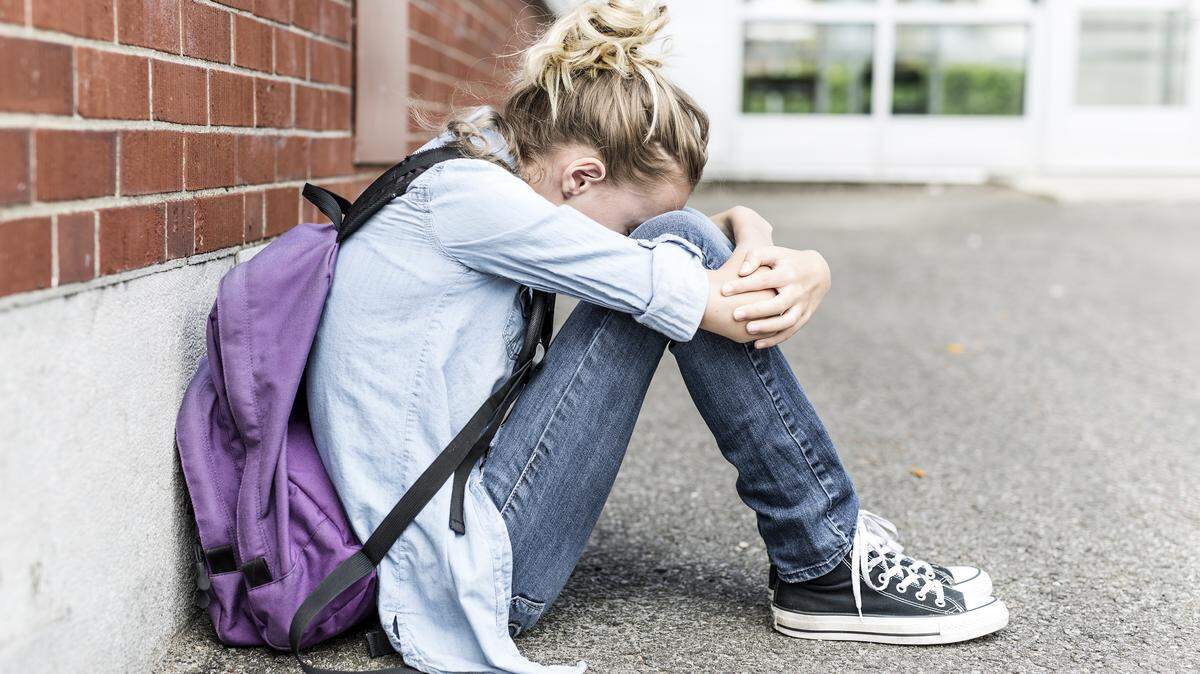
After repeatedly being bullied at his Blue Springs middle school and allegedly told by other students to go kill himself, 14-year-old Ethan Young took his own life.
Eight months after Ethan’s death in 2014, his best friend Ryker Lewis did the same thing.
Last spring after three Smith-Cotton High School students in Sedalia, Mo., committed suicide, parents rallied outside the school and blamed a culture of toxic bullying for the deaths.
It’s no secret that teenage bullying is a problem across the country, but a new study, released Thursday, says Missouri ranks third in the nation for having one of the biggest school bullying problems. Kansas ranks 40th.
Wallethub, a popular personal finance website launched in 2013, measured the prevalence and prevention of bullying in an effort “to help bring awareness to its harmful effects not only to America’s young people but also to society as a whole,” the study said.
According to the Centers for Disease Control’s 2017 Youth Risk Behavior Surveillance System, 19 percent of students in grades nine through 12 said they were bullied on school property in the previous 12 months. And 14.9 percent said they had been the target of cyberbulling.
“Students who are targets of repeated bullying behavior can, and often do, experience extreme fear and stress,” the Missouri National Education Association says on its website. “If bullying behaviors are allowed to continue, they can escalate into even more serious behavior, such as sexual harassment or criminal activity.”
Even back in 2008, the National Institutes of Health reported that “any participation in bullying” increases the risk of suicidal ideas or behaviors “in a broad spectrum of youth.”
The Wallethub study opens with several problematic facts: Every seven minutes in this country a child will be bullied. Only 4 in 100 adults will intervene, and only 11 percent of the child’s peers will. The rest will do nothing.
WalletHub’s analysts compared 47 states and the District of Columbia. Louisiana had the highest prevalence of school bullying, followed by Arkansas, Missouri and Idaho.
The study incorporated several factors to create its rankings, including percentage of students bullied on school property and online, the rate of students who skipped school due to fear of being bullied and the toughness of state anti-bullying laws. The data, gathered from 2015-18, came from several sources, including the Census Bureau, the Centers for Disease Control and Prevention and the Bureau of Labor Statistics.
Missouri education experts working to reduce bullying in schools said the state’s anti-bullying law is not detailed enough and only requires schools to have a policy on bullying.
“While necessary, policy alone doesn’t change anything,” said Ann Jarrett, director of teaching and learning at the Missouri National Education Association, which in 2004 began a No More Bullying program to train instructors in bullying prevention.
“The thing that works is having to change the culture, working with schools, parents and students so that it becomes not socially acceptable among peers,” she said.
Jarrett was surprised to hear that Missouri ranked so high in the study. She said that while her organization has not collected data, it does have anecdotal evidence that its program has had some success in reducing incidents in schools across the state. She said she thought the percentage of Missouri students who say they’ve been bullied was comparable to other states.
In March the Blue Springs School District agreed to pay $185,000 to Ryker Lewis’ mother as part of settlement in a wrongful death lawsuit that claimed the district’s “culture of bullying contributed to her son’s and his friend’s suicides.”
This story was originally published September 6, 2018 at 3:18 PM.