
‘Road diet’ proposals for Broadway in midtown would add bike lanes, cut driving lanes
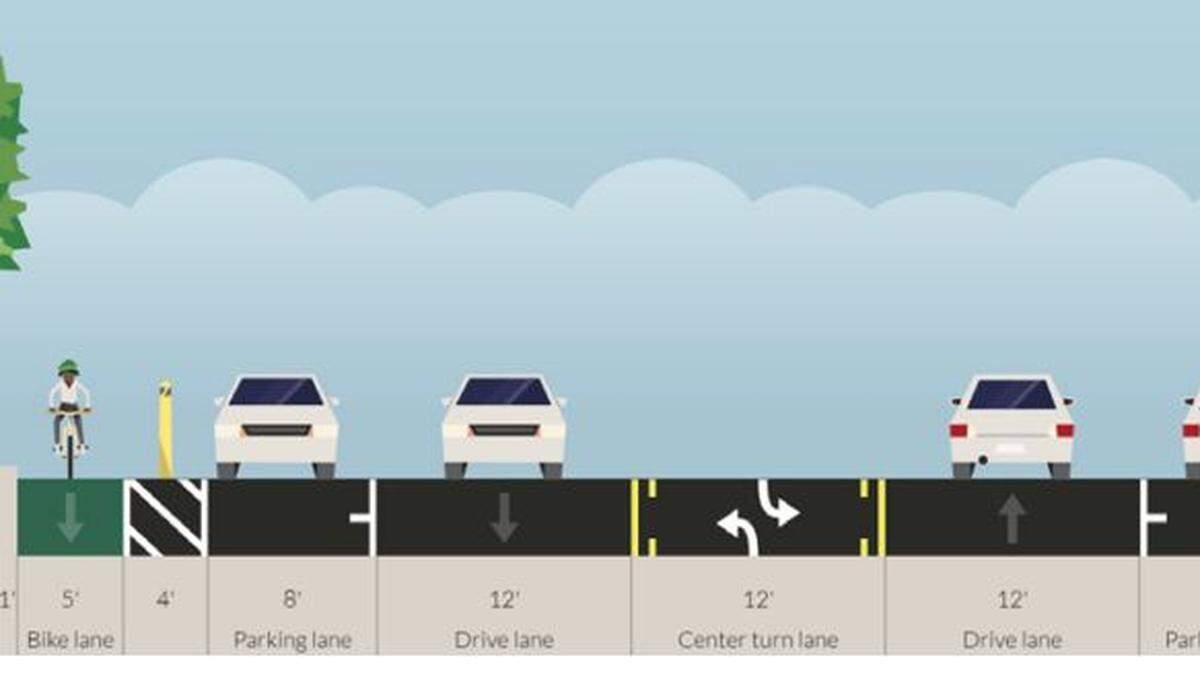
Three major thoroughfares in Kansas City could lose driving lanes through a “road diet” plan now being studied by the city.
Broadway Boulevard could be pared from two lanes in each direction to just one, possibly with the addition of bike lanes, from 31st Street to 43rd Street.
Similarly, 39th Street could be reduced to one lane in each direction and Wornall Road could lose one of three lanes from the Country Club Plaza to 55th Street.
It’s all conceptual right now, but a steering committee of community members hopes to reach a consensus recommendation for each corridor at its final meeting in September.
Any decision to act on the proposal would have to be made by elected officials and would depend on the availability of funds, said project manager and city planner Joseph Blankenship.
People can examine the options and offer their opinions in an online survey through Friday, Aug. 31. The results, along with feedback from two public forums held earlier, will be considered by the steering committee.
The Broadway Westport Council, which represents primarily commercial interests, is generally in favor of leaving Broadway as it is and has serious questions about the option under consideration for 39th Street, said board president Kurt Schoeb.
“BWC Board members were very concerned that reduced traffic counts would have a negative impact on business sales for retailers, lease rates for property owners along with numerous other serious issues and problems for traveling and parking on Broadway,” said a message from the council urging its members to participate in the survey.
But steering committee member Eric Bunch, who is policy director for BikeWalkKC, is supportive of road dieting in general and an advocate for making streets safer for cyclists, drivers and pedestrians.
“If we calm traffic on the streets, it helps businesses,” Bunch said.
An example of road dieting can be seen on Armour Boulevard, which this summer was reduced to one lane in each direction from Broadway to the Paseo. Protected bike lanes were created between the parking lanes and sidewalk.
Blankenship acknowledged that of all the options being considered, the ones affecting Broadway are probably the most contentious.
Broadway currently has parking lanes, two driving lanes in each direction and a center turn lane. Each of three options would keep the parking lanes but reduce driving lanes to one in each direction. Two of the options would add bike lanes.
According to planners, road dieting on Broadway could reduce traffic injuries by 435 over 20 years. Planners say a reduction in lanes would add an average of just over one minute to travel times.
Traffic volumes on Broadway range from an average of just under 7,000 vehicles a day at Linwood Boulevard to a little over 12,000 at Westport Road.
That is a significant number of vehicles, Blankenship said, “but it is not a number that should frighten anybody.” He said traffic can be made to move more efficiently with things like coordinated traffic signals.
Skeptics say that the planned streetcar extension down Main Street will reduce driving lanes there and divert even more traffic to Broadway. Blankenship noted the streetcar would also reduce traffic by taking people out of cars.
Schoeb questioned how great the demand really is for bike lanes on Broadway.
Bunch said bike lane demand was calculated through statistical analysis and models. He said there is a high latent demand for bike lanes in the corridor through the heart of Westport.
“Naysayers say they don’t see anyone riding bikes,” Bunch said. “The reason is because they don’t feel safe doing it.”
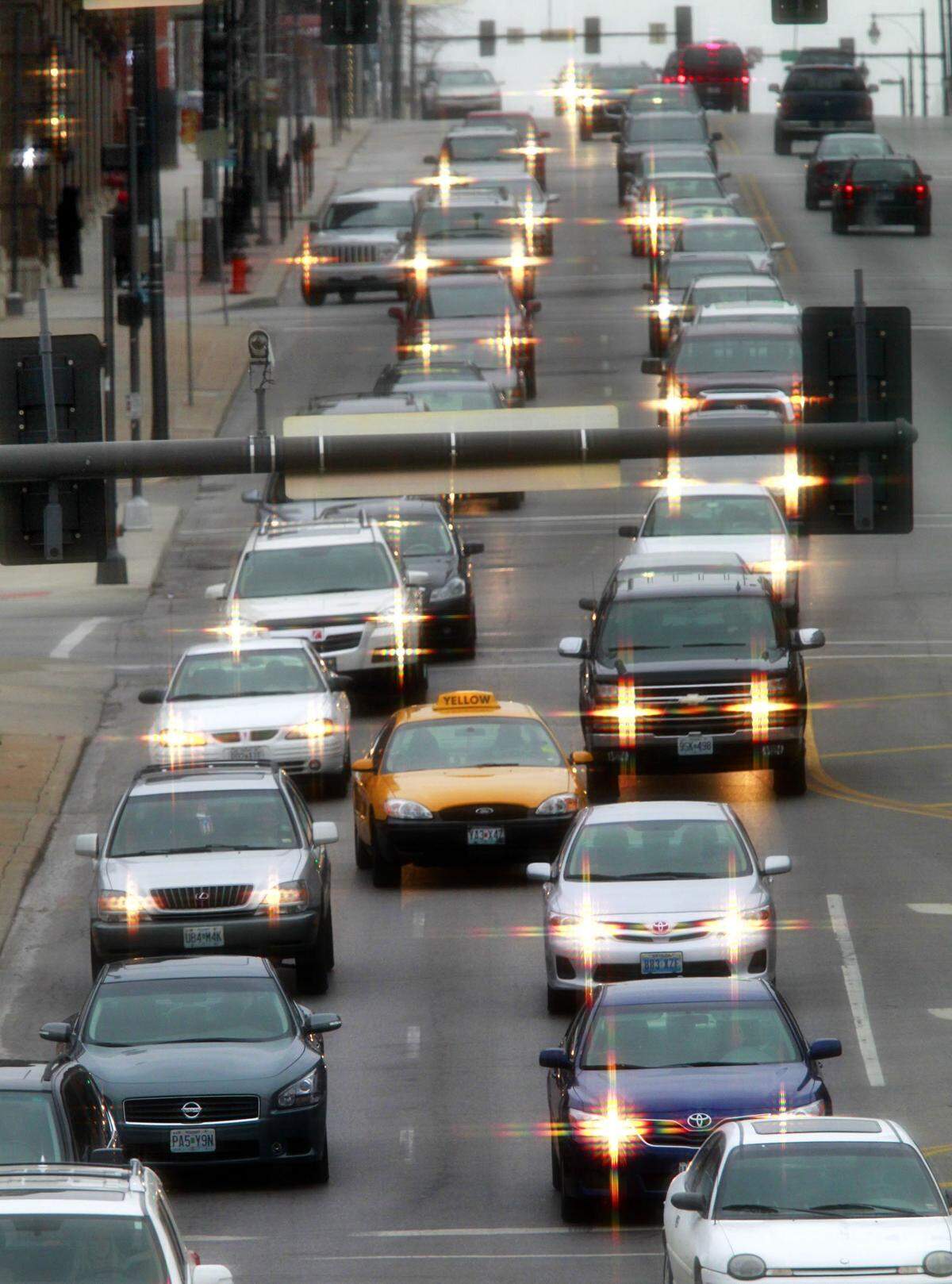
Congested 39th Street currently has four driving lanes. An option under consideration is to reduce it to one lane in each direction with a center turn lane. It would not include bike lanes. Schoeb said he has concerns that people who park on 39th Street during at least part of the day would move into neighorhood streets.
Wornall Road currently has two driving lanes in one direction and one lane in the other. Two options would make the street one lane in each direction with a center turn lane. One of those options would include bike lanes.
The steering committee is not considering lane configuration changes to 43rd Street. But options would “enhance pedestrian crossings with high visibility crosswalks, signing, refuge islands, and flashing beacons where appropriate and update traffic signal operations.”
The committee also is not considering lane changes on Southwest Trafficway, but options would add left-turn lanes at 31st and 33rd streets and at Valentine Road, enhance pedestrian crossings, update traffic-signal operations and add a signal at 40th Street to aid bicycle crossings.
The whole study project is called the Midtown Complete Streets Plan and was directed by an ordinance passed unanimously by the city council. It is financed with a grant from the Mid-America Regional Council. The city council engaged the consulting firm of WSP to assist.
This story was originally published August 30, 2018 at 5:50 PM.