
50 years after 'mysterious metal' put hole in Kansas school, July 4 pranksters fess up
No one knew what it was or how it got there, but 50 years ago, something gouged a hole in the Clay Center, Kan., high school roof.
One newspaper called it a "mysterious piece of metal" that had fallen from the sky. Authorities sent it to the nearby Air Force base in Topeka for analysis. No one could explain it.
Well, some mischievous teenagers could have, but they kept their mouths shut for decades. Now, with the golden anniversary of their adventure on July 4, 1968, they are finally coming clean.
"I’ll have to suffer any consequences now as an old man for my youthful indiscretions," said Richard Klocke, now 65 and living in Lawrence.
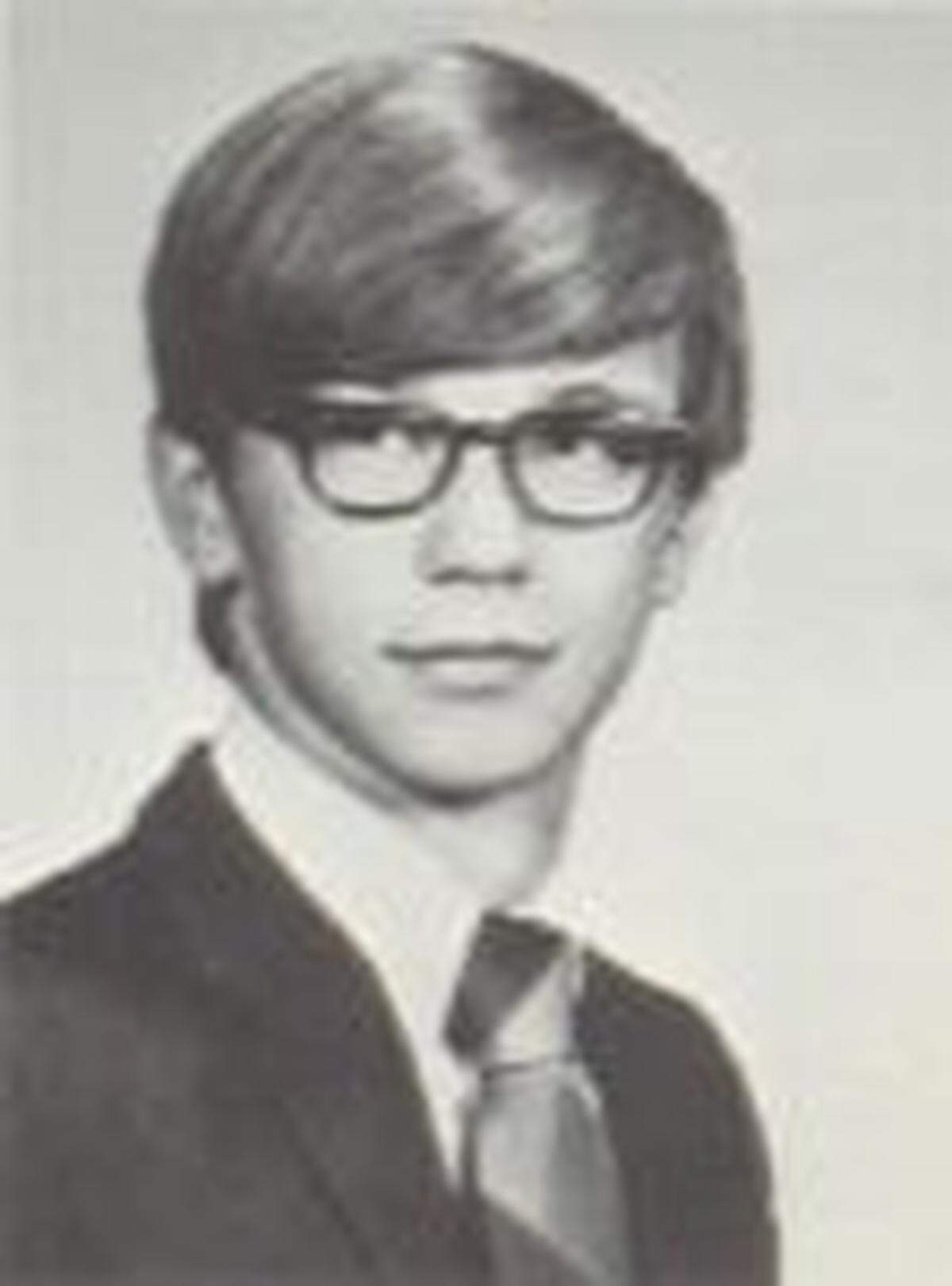
"I wanted to come clean on this story because it’s never officially been told as to what happened at that event."
It started with a cannon.
Klocke said he found it in the basement of the clothing store owned by the family of his friend Mike Browne and bought it. (To hear Browne tell it, Klocke never paid for the cannon. But we digress.)
For months, Klocke kept the cannon, about 20 to 30 inches long, in his room on two handmade pegs.
"Every once in a while, I’d buy some dynamite fuse because we had this fascination (with blowing) things up," Klocke said. "We’d make bombs and try to do things just to see what they’d do."
For July 4, he picked up 2 or 3 feet of fuse from the hardware store and persuaded another friend to bring him a brown bag of gunpowder.
It was early the morning of the Fourth, a Thursday, when Klocke and his friends, including Browne and Kevin Wall, took the cannon to a ditch near their high school. They pointed the cannon east — away from the school — at a plywood target.
Klocke loaded the cannon with gunpowder, tapped it down, slid in five or six ball bearings and tapped them down, too. He lit the fuse, and the teens ran back.
It worked perfectly and shattered the plywood.
"Of course, what we all said was, ‘That was great, but let’s put more gunpowder in it,’" Browne said. "So, of course what we did was dump a whole bunch. … If this works, just imagine how loud it’ll be. If we put 10 times more gunpowder, it’ll be 10 times louder."
With a dose of peer pressure, Klocke poured in a cup of gunpowder and repeated the process.
He lit the fuse — and the cannon was history.
"This thing just exploded like crazy," Klocke said. "The metal was flying. I could hear it flying in all these directions, but I could specifically hear it flying from this direction off toward the school. It was a deafening explosion."
The teens picked up what shrapnel they could and fled.
On his way home, Klocke found a cannon chunk a block away. That evening, he went back to the school to search for more pieces.
He crawled up a downspout and got on the roof.
"I found a chunk and took it home, thinking, ‘Great, I’ve got the evidence; I can get rid of the evidence,'" Klocke said.
That wasn't the case.
Eleven days later, after a bit of rain, the Clay Center Dispatch reported that a piece of metal had gouged a hole in the roof and caused a water leak.
By then, all the guys in the class knew what had happened and who was involved, Browne said.
"I think when the thing showed up in the newspaper that they found something on the roof, we all went, 'Are you going to tell them about this?'" Browne said. "No, no, keep quiet. Nobody wanted to get in trouble."
Later, the Topeka Daily Capital — now the Topeka Capital-Journal — reported that the "mysterious piece of metal" was sent to Forbes Air Force Base in Topeka — now Topeka Regional Airport — for identification.
And the teens kept quiet.
As the years slipped by and the boys grew up, the story of the cannon slipped to the back of their minds.
About 20 years later, Klocke's dad threw out a chunk of metal Klocke had saved from the explosion. His dad probably knew just what it was but never said anything. With that, the last physical evidence was gone, except for Klocke's diary.
"It died out," said Browne, who now lives in Lincoln, Neb. "You move on with your lives. Nobody asked. We scattered, we grew up, we graduated, we all left the small town."
Wall is now a doctor in Manhattan; Browne is a business owner. Klocke is an artist and an exhibition designer at the Spencer Art Museum in Lawrence.
"What would have been seen as a bunch of delinquents today ... we’re a bunch of successful physicians, businessmen ... and artists," Browne said.
In 2003, Klocke's dad was out for coffee at Tasty Pastry with some Clay Center buddies when one man brought up the hole in the roof. Instead of ratting out his son, he kept his silence, Klocke said.
In October 2014, Klocke filed a Freedom of Information Act request asking for any documents about the incident from the Air Force base. Months later, he was told nothing was found — but he's not convinced a record doesn't exist.
At his home in north Lawrence recently, Klocke flipped through the pages of his 50-year-old diary, with two yellowed newspaper clippings inside, and he thought back on other stories about his "youthful indiscretions." Like that time he and his friends hopped on a train for 20 miles in the middle of the night and had to knock on a stranger's door so they could call one of their moms to pick them up. Or the time he thought a bed sheet would make a good parachute when he jumped off a windmill.
On Wednesday, Klocke and Browne will chat over the phone, as they do every Independence Day.
Wall just hopes they don't get arrested.
This story was originally published July 2, 2018 at 11:27 AM.