
Kansas City Zoo gives up palm oil to protect orangutans
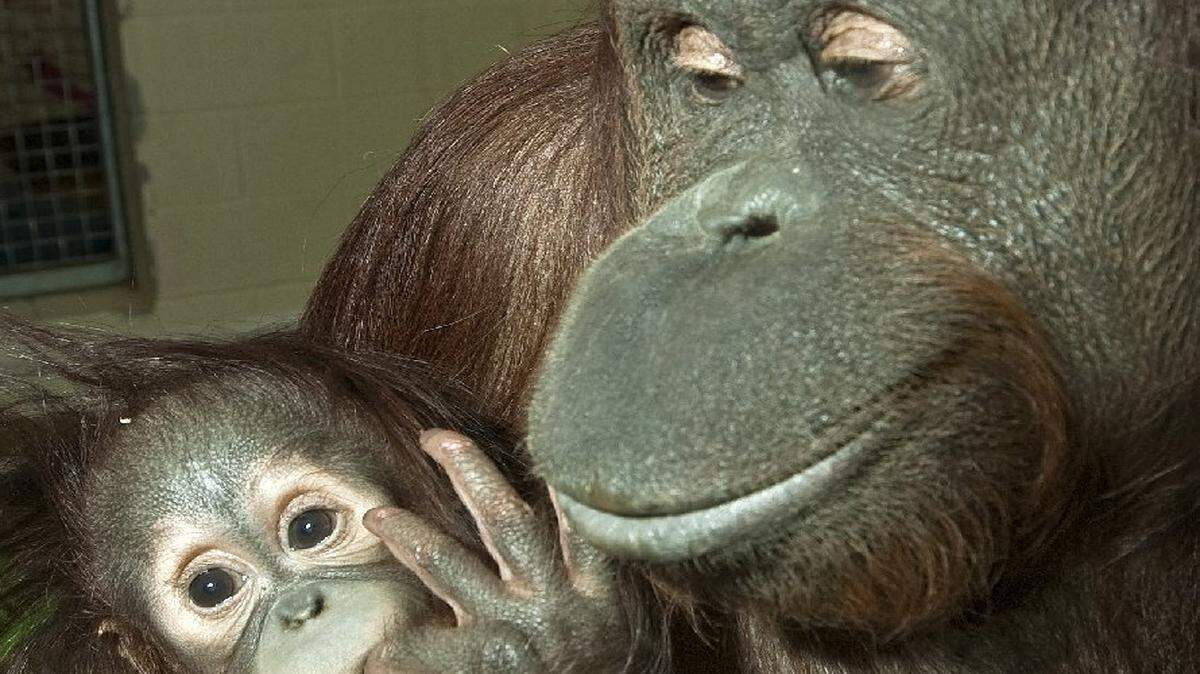
Concession stand menus at the Kansas City Zoo will change as the animal park swears off products that contain palm oil derived from deforestation in Asia.
Palm oil plantations are the main reason for the loss of forest habitat where endangered orangutans live in Borneo and Sumatra.
The oil is in a vast array of products, from pretzels and hamburger buns to animal feed to soaps and window cleaners.
“This palm oil thing is a really big deal,” zoo director Randy Wisthoff told his board on Wednesday, Earth Day. “It is the reason that orangutans are going extinct.”
The zoo is completing work on a new $6 million orangutan exhibit scheduled to open by the end of May.
The zoo expects to use up existing supplies of products with palm oil by May 1. In the meantime, zoo officials will look for products made with palm oil that does not rely on clear-cutting and burning forests to make way for the oil plants.
In addition to destroying habitat for orangutans, deforestation adds significantly to carbon emissions into the atmosphere.
The worldwide production of palm oil has doubled in the last decade, according to the World Wildlife Fund.
Lori Perkins, an orangutan expert at Zoo Atlanta, said an estimated 6,500 Sumatran orangutans are left in the wild and about 54,000 Bornean orangutans.
The Cheyenne Mountain Zoo in Colorado Springs has a palm oil shopping guide app at www.cmzoo.org/palmoil.
This story was originally published April 22, 2015 at 6:20 PM with the headline "Kansas City Zoo gives up palm oil to protect orangutans."