
Is COVID-19 on the rise again in Kansas City? See latest hospital & wastewater numbers
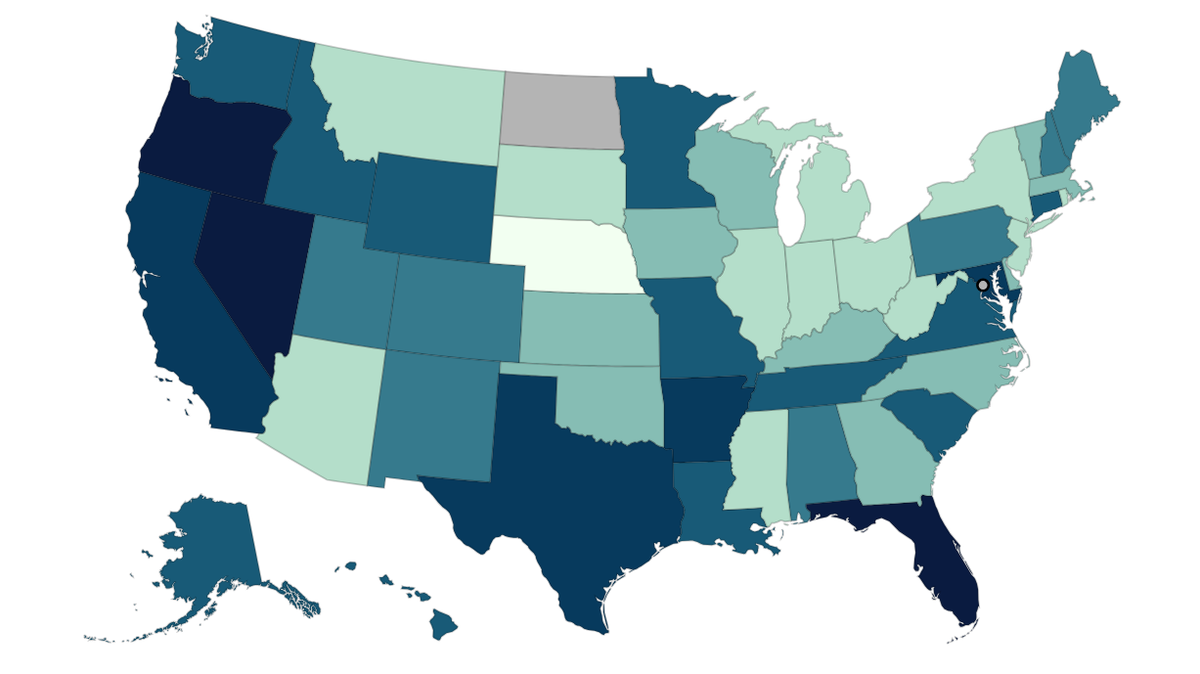
COVID-19 is on the rise in Missouri and nationwide, according to wastewater surveillance and hospital testing data from the U.S. Centers for Disease Control & Prevention.
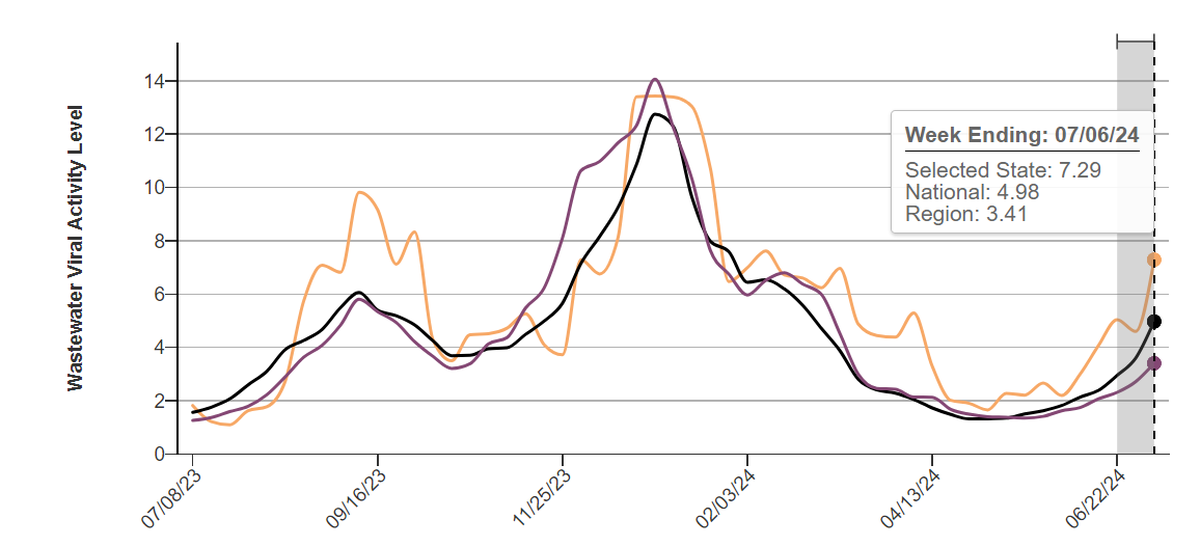
As of last week, COVID-19 viral particles were observed at “high” levels in Missouri’s wastewater and “moderate” levels in Kansas’ wastewater, the CDC’s National Wastewater Surveillance System reports.
Hospitals are also noticing an uptick in positive cases nationwide. Emergency departments were diagnosing around 1.3% of their patients with COVID-19 as of July 6 — the highest levels since the first week of March.
And a whopping 11% of highly precise NAAT tests, which are usually used in medical settings, were coming back positive nationwide as of the same date, giving the first week of July the third-highest test positivity rate recorded this year.
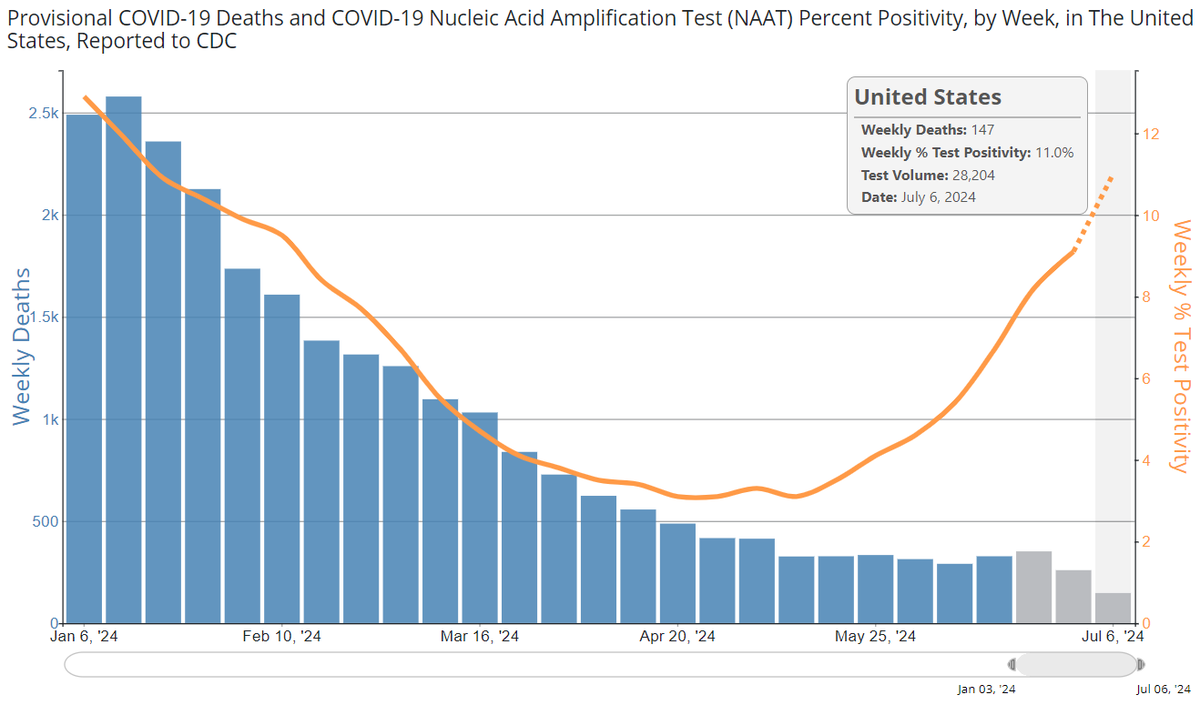
While recorded deaths from COVID-19 remain low, these upticks in evidence of the virus are echoed in the Kansas City area. Kansas hospitals are now diagnosing 0.6% of their patients with the disease — while that number is still pretty low, it’s three times the percentage seen at the state’s lowest levels this spring. Missouri hasn’t reported its test positivity or emergency department diagnosis rates to the CDC.
“We are seeing a mild uptick in (COVID-19) cases,” said Dr. Mark Steele, the executive chief clinical officer at University Health and an associate dean of the UMKC School of Medicine. “This is not unusual — we’ve seen this last summer and the summer before that, a little uptick.”
Here’s what we know about COVID-19 levels in the metro.
Are Kansas City area hospitals seeing an increase in COVID-19 infection?
The Star reached out to seven local hospital systems for information on their latest patient counts and anecdotal observations about COVID-19 in the community. While doctors aren’t overly concerned about the levels of illness they are seeing in area hospitals, several noted that they’ve observed a modest uptick in infection recently.
Steele said that University Health currently has three COVID-19 patients in the hospital, with a recent test positivity rate of 16% — higher than the national average.
Children’s Mercy Hospital has tested at least 55 symptomatic patients for COVID-19 in the past week, of which 17 got a positive result. That’s a positivity rate of 30.9%.
“We have seen a bit of an uptick in COVID-19 infections,” said Dr. Angela Myers, the director of Children’s Mercy’s infectious diseases division. “We are seeing other viruses and Mycoplasma (which causes atypical pneumonia) as well.”
Dr. Dana Hawkinson, the medical director of infection prevention and control at the University of Kansas Health System, said he isn’t aware of a significant increase in COVID-19 patient numbers at the hospital — but that experts are monitoring wastewater data for clues about the disease’s presence in the community.
Viral particles in wastewater are an early indicator of new variants and COVID-19 waves because they often appear before infections are reported through home or hospital testing.
What COVID-19 variants are currently circulating in Kansas and Missouri?
The highly contagious omicron variant is still the dominant strain of COVID-19 circulating in the U.S, but its sub-strains continue to evolve. The two most prominent in the Kansas City region are called KP.3 and KP.2, which are part of a trio known as the FLiRT variants.
The name “FLiRT” comes from the specific location of these variants’ spike protein mutations along the virus’s amino acid chain. The abbreviation for this mutation is F456L + R346T. The letters F, L, R and T were then used to nickname the variants.
The most recent COVID-19 vaccine can partially protect you from omicron KP.2 and KP.3, but the effectiveness of this defense decreases the more time passes since your most recent vaccine or infection. That’s why, earlier this year, the CDC recommended that seniors over the age of 65 get an additional dose of the COVID-19 vaccine released last fall.
“We do know that there will be an updated vaccine and that it will be targeted towards some of the more recently circulating sub-variants of COVID,” Steele said.
However, he added that medical professionals don’t yet know much about the next vaccine, including when it will be available.
You can find the latest COVID-19 vaccine at most pharmacies and local health departments.
Do you have more questions about staying safe from COVID-19 in Kansas City? Ask the Service Journalism team at kcq@kcstar.com.
This story was originally published July 18, 2024 at 6:00 AM.
.jpg)