
COVID case numbers, hospitalizations continue to fall in Kansas City despite new variant
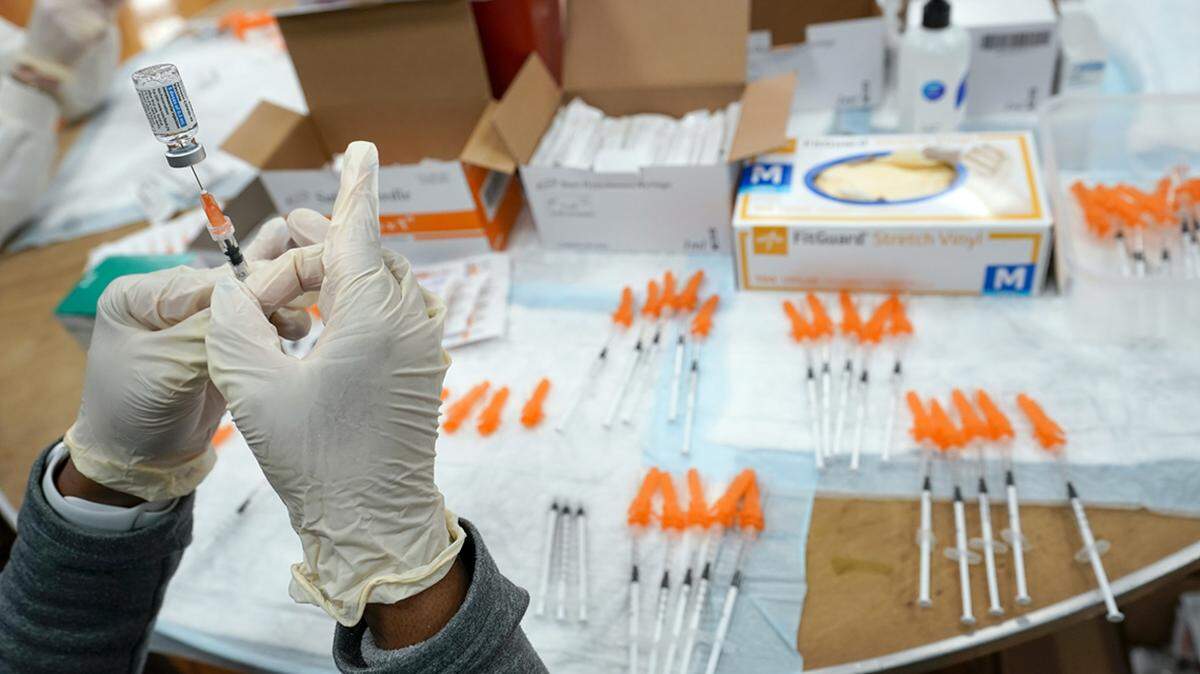
COVID-19 case numbers and hospitalizations are down in the Kansas City area this week as the new XBB.1.5 variant continues to circulate in the metro and around the country. Experts have called this new sublineage the “grandchild” of the omicron variant.
“The current vaccines continue to reduce your risk of hospitalization and severe disease manyfold,” said Dr. Dana Hawkinson, medical director of infection prevention and control at The University of Kansas Health System in a Wednesday news briefing. “It is important to be up to date with those vaccines, especially if you are in those higher risk groups.”
Here’s the latest COVID-19 data in the Kansas City area.
What does Kansas City’s COVID-19 data look like this week?
Local health departments reported 1,090 new COVID-19 cases in the past week, down from 1,440 per week over the holiday break. That brings the metro’s seven-day average down to around 156 new cases per day, compared to around 206 per day the previous weeks.
Since many people are taking COVID tests at home, which aren’t publicly recorded, experts say real case totals are likely anywhere from two to five times higher than what data shows.
The state of Missouri is no longer reporting death counts at the county level. Johnson County reported five new deaths since our last update, while Wyandotte County reported none. That brings the Kansas City metro area’s death total up to at least 4,446 since the pandemic began.
How are hospitals holding up?
The University of Kansas Health System is treating 27 patients with active COVID-19 infections, up from 26 patients last week. Six of these patients are in the ICU with four on ventilators, compared to six ICU patients and two on ventilators last week.
“Overall we have seen the number of active infections in our hospital decrease in the last ten days or so, so that is a good sign,” Hawkinson said. “Right now there are no data signals to support that this (XBB.1.5) variant is more severe than what we have seen recently.”
MARC hospitalization data shows an average of 32 new hospitalizations per day in the Kansas City area, down from 73 during its last report on Dec. 18.
What are the COVID-19 risk levels in the Kansas City area?
Johnson County Clay, Platte and Jackson counties remained at a “medium” community level of COVID-19 in the past week. This classification means that the CDC recommends maintaining good ventilation, getting up to date on your vaccines and boosters, and wearing a mask if you are immunocompromised or indoors with someone who is.
Wyandotte County also fell to “medium” from a “high” community level last week.
All the counties that make up the Kansas City metro area remain at “high” transmission levels. This ranking means that your risk of catching COVID-19 in public is elevated due to the robust spread of the virus.
How vaccinated is the Kansas City area?
Part of Kansas City’s defense against the most active COVID-19 variants are the new bivalent booster shots, which are available at clinics around the metro. These boosters offer protection from both the original COVID-19 and several strains of the omicron variant.
The vaccine is also thought to be effective against the new XBB lineage. According to 17 researchers who wrote in to the New England Journal of Medicine on Dec. 21, “Persons who received the BA.5-containing bivalent booster had better neutralizing activity against all omicron subvariants (especially against BA.2.75.2, BQ.1.1, and XBB) than those who received either one or two monovalent boosters.”
While this new variant is somewhat more evasive to antibodies than prior variants have been, the bivalent booster shot is still thought to provide some protection from the XBB strain.
Anyone who has received an initial COVID-19 vaccination, including children as young as five years old, can now get one of these new shots. They’re available at local health departments, clinics and pharmacies around the metro.
MARC data on local vaccination rates has not been updated since Wednesday, Jan. 4. The data shows that 65.89% of the population is fully vaccinated in the Kansas City region. Eastern Kansas has a higher vaccination rate, at 75.28%, than western Missouri does at 58.90%.
Do you have more questions about staying safe from COVID-19 in Kansas City? Ask the Service Journalism team at kcq@kcstar.com.
This story was originally published January 18, 2023 at 1:39 PM.
.jpg)