
COVID cases increase slightly in Kansas City. New bivalent boosters are arriving soon
Reported COVID-19 case totals are up since last week in every county and city in the metro area. While the increase in case numbers is relatively small, it marks a reversal of the downward trend Kansas City has been seeing for the past four weeks.
Hospitalizations are roughly the same as last week in Kansas City. The CDC’s community levels and transmission levels in local counties have remained the same since last week.
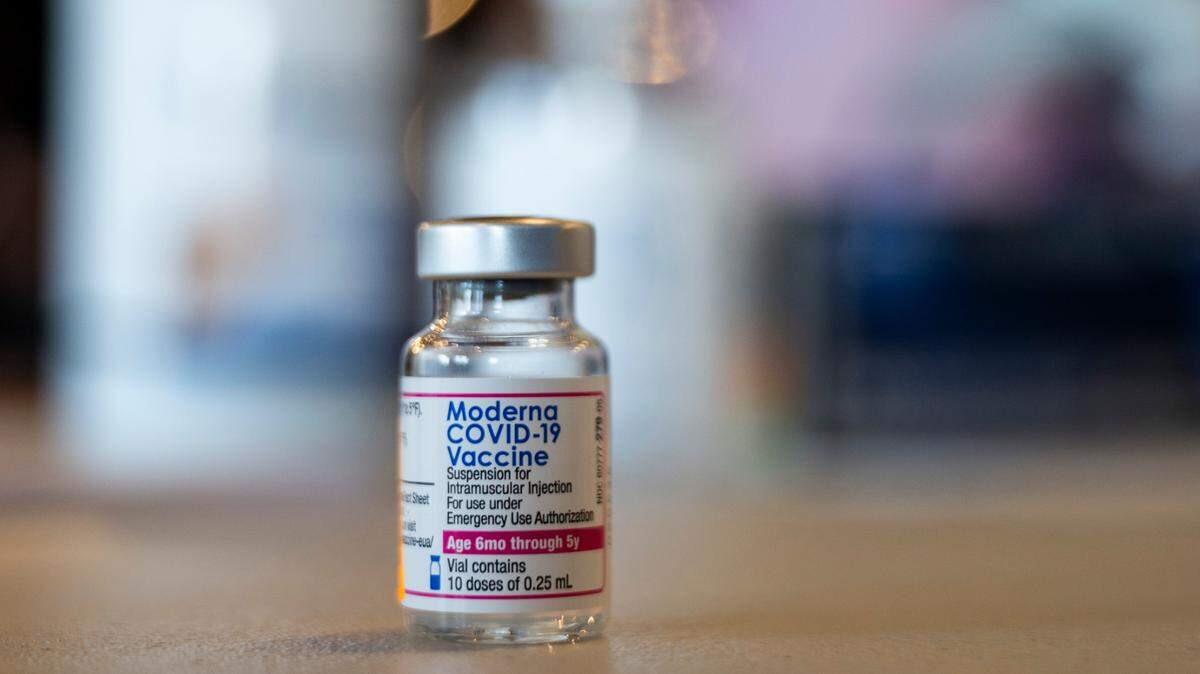
The slight increase in cases comes as new bivalent COVID booster shots are being rolled out across the country. Doses are expected to arrive in the Kansas City area as early as late next week. These shots are designed to offer protection from the omicron BA.4 and BA.5 subvariants as well as from the original COVID strain.
“We believe (the new booster) will be beneficial,” said Dr. Dana Hawkinson, medical director of infection prevention and control at the University of Kansas Health System in a Friday news briefing. “We know that the current vaccines still work very well, but that clinical data will be collected and analyzed, and we know it will be safe as well.”
What does Kansas City’s COVID-19 data look like this week?
Officials reported a total of 2,236 new cases in the Kansas City area since last week. That’s higher than last week’s total of 1,967 new cases. That means the metro saw around 319 cases per day in the past week, up from around 281 per day the previous week.
Since many people are taking COVID tests at home, which aren’t publicly recorded, experts say real case totals are likely anywhere from two to five times higher than what data shows.
The state of Missouri is no longer reporting death counts at the county level. Johnson County reported five new deaths and Wyandotte County reported none in the past week. That brings the Kansas City metro area’s death total up to at least 4,352 since the pandemic began.
What are the COVID-19 risk levels in the Kansas City area?
Clay, Platte, Jackson and Wyandotte counties all remain at a “medium” community level of COVID-19, the same as last week. That means the CDC recommends maintaining good ventilation, getting up to date on your vaccines and boosters, and wearing a mask if you are immunocompromised or indoors with someone who is.
Johnson County is still at a “low” community level this week, and no local counties are at a “high” level.
All five counties that make up the Kansas City metro area remain at “high” transmission levels, along with most of the other counties in the nation. That means your risk of catching COVID-19 in public is still elevated, even though medical care may be easier to access than before.
How are hospitals holding up?
The University of Kansas Health System is treating 18 patients with active COVID-19 infections, similar to 17 at this time last week. Three of these patients are in the ICU, and one of them is on a ventilator, up from one ICU patient not on a ventilator last week.
“Yesterday we had 18 active infections as well,” Hawkinson said. “Of those patients in the hospital, three had incomplete vaccine series, six were overdue for a booster, six were unknown, and only three were vaccinated.”
Hawkinson added that this data shows the importance of being up to date with your vaccines and boosters in order to protect against the latest strains of the virus.
MARC data shows that average daily hospitalizations are still decreasing slightly in the broader Kansas City area. However, trends in patient numbers are known to lag several weeks behind trends in case numbers.
The BA.5 strain of the omicron variant has the ability to evade some antibodies caused by vaccination and past infections, so it is reinfecting some people who have had COVID recently. However, the protection provided by currently available vaccines and booster shots is still the best defense against severe illness and hospitalization from COVID-19.
How vaccinated is the Kansas City area?
Vaccination rates in the area are rising slowly, with 63.53% of the population fully vaccinated in the Kansas City region. Eastern Kansas has a higher vaccination rate, at 72.17%, than western Missouri does at 57.09%.
Getting vaccinated and obtaining a booster shot is still the most effective way to protect yourself and others from COVID-19. Both mRNA booster shots (Pfizer and Moderna) are safe and effective at reducing the risk of severe illness, hospitalization and death, and new boosters are on the way.
Do you have more questions about staying safe from COVID-19 in Kansas City? Ask our Service Journalism team at kcq@kcstar.com.
.jpg)