
New COVID-19 cases in Kansas City are up 25% since just last week as new variant spreads
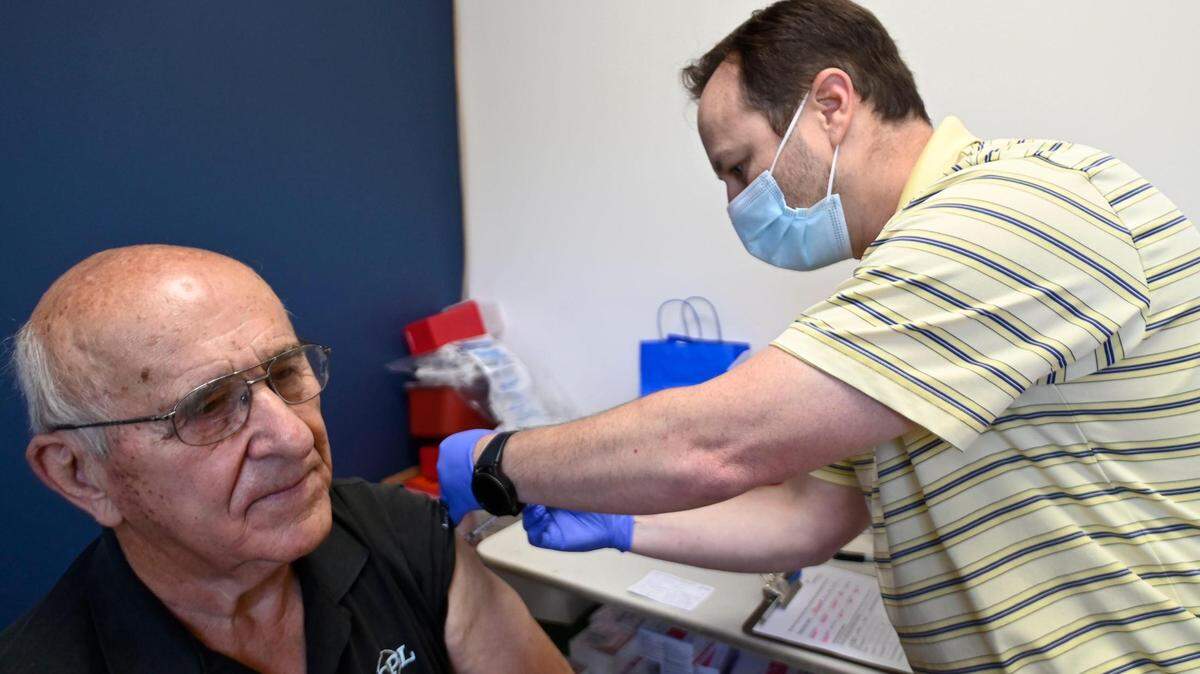
COVID-19 case numbers are surging in the Kansas City area, due in part to the highly contagious BA.5 subvariant.
“I was hoping that in the next couple weeks we would see that active number go back down to the teens and even single digits,” said Dr. Dana Hawkinson, the University of Kansas Health System’s medical director of infection prevention and control in a news briefing Friday. “But as we know, the [viral] circulation is very high in the community.”
“If you are going to be going into restaurants, going to parties, understand that there is probably going to be at least one or two people who have exposure to coronavirus,” he added.
The BA.5 lineage of the omicron variant has the ability to evade some antibodies caused by vaccination and past infections, so it is reinfecting some people who have had COVID recently. However, Hawkinson added that the protection provided by currently available vaccines is still the best defense against severe illness and hospitalization from COVID-19.
What does Kansas City’s COVID-19 data look like this week?
Officials reported a total of 3,902 new cases in the Kansas City area over the past week. That’s nearly 25% higher than last week’s total of 3,128 new cases. This past week saw an average of around 557 cases per day in the metro area, while the previous week’s average was 447 cases per day over seven days.
Since many people are taking COVID tests at home, which aren’t publicly recorded, experts say real case totals are likely anywhere from two to five times higher than what data shows. Some residents– though we don’t know how many– have recently caught the virus for the first time after avoiding it for over two years.
The state of Missouri is no longer reporting death counts at the county level. Johnson County reported three new deaths this week, while Wyandotte County reported none. That brings the Kansas City metro area’s death total up to at least 4,339 since the pandemic began.
What are the COVID-19 risk levels in the Kansas City area?
Jackson, Wyandotte and Johnson counties have risen to “high” community levels of COVID-19 since just last week. That means the CDC recommends wearing a mask indoors regardless of your vaccination status, maintaining good ventilation and getting up to date on your vaccines and boosters.
Clay and Platte counties are still at a “medium” community level, which carries similar recommendations. However, masks are not encouraged indoors at this level unless you are immunocompromised or indoors with someone who is.
All five counties that make up the Kansas City metro area remain at “high” transmission levels, along with most of the other counties in the nation. That means your risk of catching COVID-19 in public is elevated. CDC data shows that over 92% of U.S. counties are experiencing this elevated risk.
How are hospitals holding up?
The University of Kansas Health System is treating 23 patients with active COVID-19 infections, up from 21 at this time last week. Two of these patients are in the ICU, but neither are on ventilators.
Hospital officials do not yet know whether a new variant of concern, omicron BA.2.75, is present yet in the Kansas City area. For now, the highly contagious BA.5 strain remains dominant in the metro. While vaccines formulated to fight the omicron variant and its subvariants are coming, the currently available vaccines remain the best protection against getting sick from COVID-19.
How vaccinated is the Kansas City area?
Vaccination rates in the area are rising slowly, with 62.86% of the population fully vaccinated in the Kansas City region. Eastern Kansas has a higher vaccination rate, at 71.30%, than western Missouri does at 56.56%.
Getting vaccinated and obtaining a booster shot is still the most effective way to protect yourself and others from COVID-19. Both mRNA booster shots (Pfizer and Moderna) are safe and effective at reducing the risk of severe illness, hospitalization and death.
Do you have more questions about staying safe from COVID-19 in Kansas City? Ask our Service Journalism team at kcq@kcstar.com.
.jpg)