
COVID infection risk lower for those with food allergies, study ‘unexpectedly’ finds
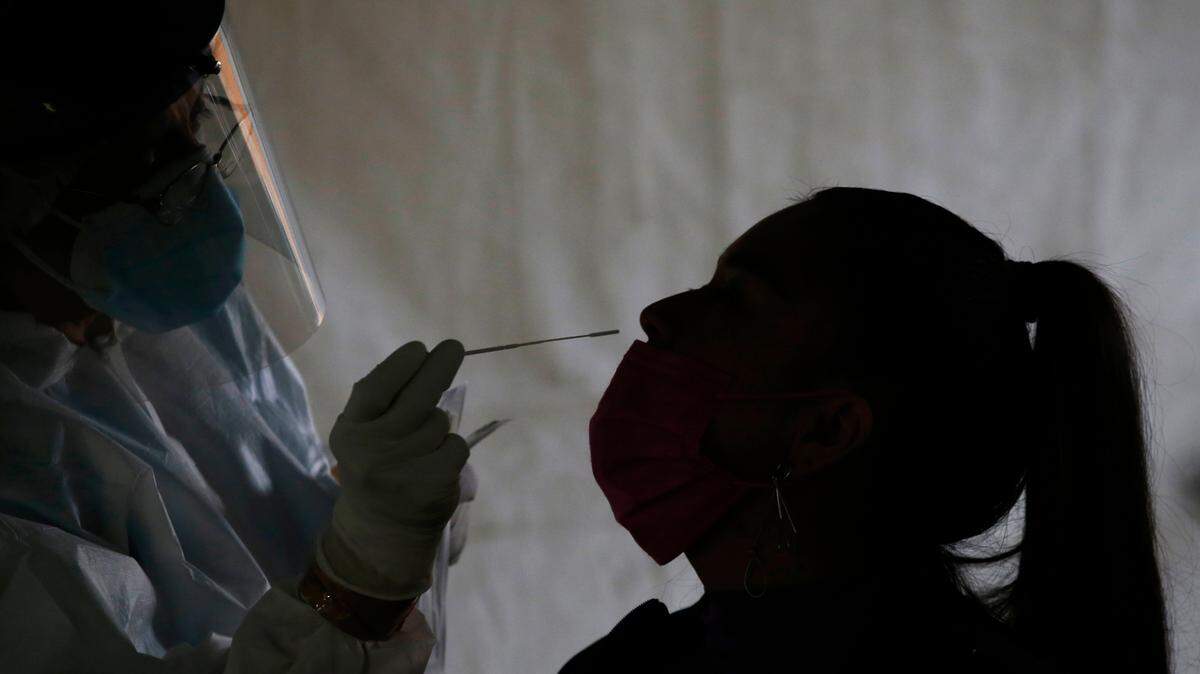
A new study “unexpectedly” found the risk of becoming infected with COVID-19 is lower for those with food allergies.
The research sought to determine whether asthma and allergic diseases — including food allergies, allergic rhinitis and eczema — were linked to COVID-19 infection, according to the Human Epidemiology and Response to SARS-CoV-2 (HEROS) study. These conditions were self-reported by participants and diagnosed by doctors.
In fact, people with food allergies are 50% less likely to develop COVID-19, according to the research, which was funded by the National Institutes of Health and published May 31 in the Journal of Allergy and Clinical Immunology.
Meanwhile, the risk of COVID-19 infection does not increase for those with asthma, respiratory allergies or eczema, according to the study. In comparison, it was discovered that infection risk rises for those who have a higher body mass index (BMI) and those considered obese.
“The observed association between food allergy and the risk of infection with SARS-CoV-2, as well as between body-mass index and this risk, merit further investigation,” the director of the National Institute of Allergy and Infectious Diseases, Dr. Anthony Fauci, said in a news release.
More on the study
The HEROS study examined 4,142 people — including children, teenagers and adults — living in 1,394 households throughout 12 cities in the U.S. between May 2020 and February 2021. Everyone was tested for COVID-19 once every two weeks and had about a 14% chance of getting infected.
Households that had someone with a food allergy were found to have a lower risk of COVID-19 transmission overall, according to the research.
About half of the study participants “had self-reported food allergy, asthma, eczema, or allergic rhinitis,” the news release said. To corroborate the self-reported conditions, blood samples were collected from a subset of participants.
Researchers noted that the study was “largely conducted prior to the availability of COVID vaccines and before the wide-spread emergence of new variants of concern (alpha-omicron) in the U.S., therefore it is unclear how our results will translate to the current situation.”
Why are food allergies associated with a lower COVID infection risk?
The study could not determine why people with food allergies have a lower risk of getting infected with COVID-19. However, it offered potential reasons.
One explanation may be related to a protein known as the ACE2 receptor that is found “on the surface of airway cells.” The virus that causes COVID-19, SARS-CoV-2, “uses this receptor to enter cells,” the news release explained.
Researchers “speculate that type 2 inflammation, a characteristic of food allergy, may reduce airway ACE2 levels and thus the risk of infection,” according to the study.
Another potential reason for the disparity could be behavioral — those with food allergies, for example, may dine at restaurants less frequently, reducing their chances for infection.
But not all data supports this conclusion, as “the study team found that households with food-allergic participants had only slightly lower levels of community exposure than other households.”
Other study findings
The research also discovered that children have the same chance of getting infected with COVID-19 compared to those older than them.
However, it is more likely that children will experience asymptomatic infections, the news release said.
“The HEROS study findings underscore the importance of vaccinating children and implementing other public health measures to prevent them from becoming infected with SARS-CoV-2, thus protecting both children and vulnerable members of their household from the virus,” Fauci said.
Ultimately, when it comes to the health conditions analyzed in the study, researchers wrote that “understanding how these factors modify infection risk may offer new avenues for infection prevention.”
This story was originally published June 2, 2022 at 10:50 AM with the headline "COVID infection risk lower for those with food allergies, study ‘unexpectedly’ finds."
.jpg)