
Second COVID booster now authorized for those over 50. Do experts think it’s needed?
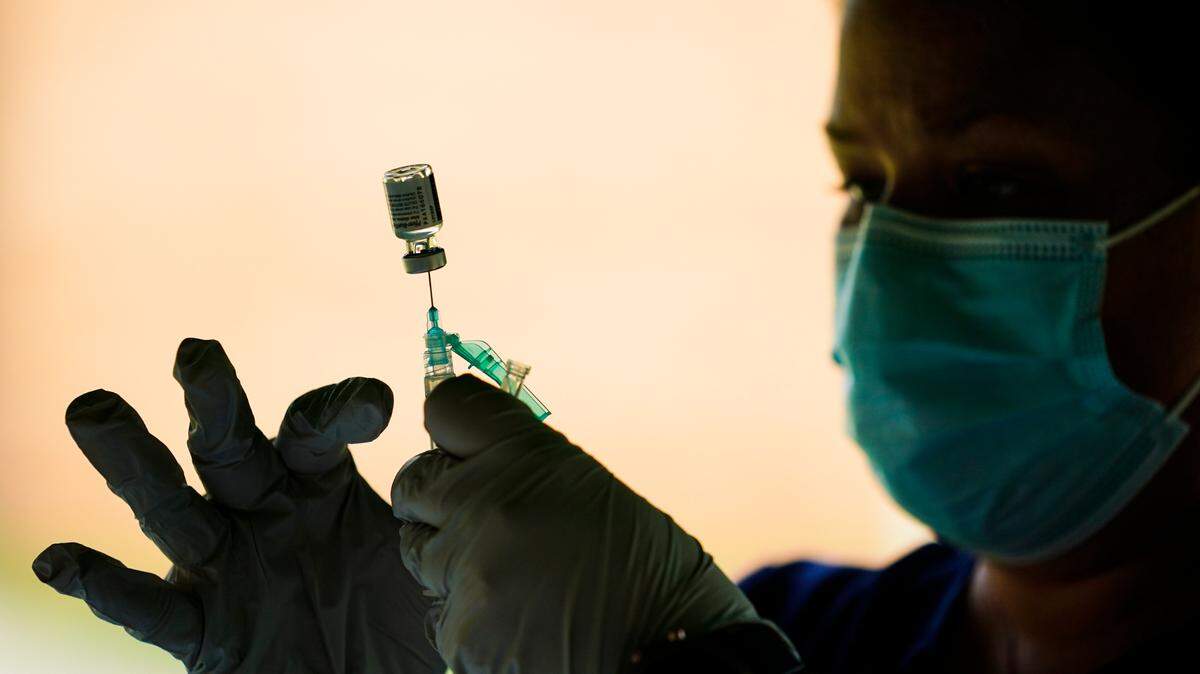
Those in the U.S. ages 50 and older can now get a second Pfizer or Moderna COVID-19 vaccine booster shot four months after their first booster, the Food and Drug Administration and the Centers for Disease Control and Prevention announced on Tuesday, March 29.
Certain immunocompromised individuals can also get the extra jab depending on their age, the FDA announced. Immunocompromised children ages 12 and older are eligible for a second booster dose of the Pfizer shot four months after their first booster, while those 18 and older can get a second Moderna booster.
Adults who got vaccinated and received a booster shot with the Johnson & Johnson COVID-19 vaccine at least four months ago can also get a second booster with an mRNA vaccine.
“Current evidence suggests some waning of protection over time against serious outcomes from COVID-19 in older and immunocompromised individuals,” Dr. Peter Marks, director of the FDA’s Center for Biologics Evaluation and Research, said in a statement. He added that the extra dose could afford more protection for these individuals.
The announcement comes at a time when COVID-19 cases in the U.S. are on the decline as of March 23 — with the omicron variant and its subvariants continuing to dominate cases, according to the CDC.
But what do experts think about the need for this second booster?
Experts split on second booster necessity
“At this point in the pandemic, it is best for us to be prepared and precautious as we move forward,” Dr. Leonard J. Marcus, founding director of the Program for Health Care Negotiation and Conflict Resolution at the Harvard T.H. Chan School of Public Health, told McClatchy News in a statement.
Marcus said “FDA scientists conducted a thorough review” ahead of their decision, which “provides vulnerable populations important protections in the face of emerging variants.”
His comments come as an omicron subvariant — known as BA.2 or “stealth omicron” — has surpassed the original omicron strain, BA.1, as the most dominant in the U.S., CDC data estimates show. It made up 54.9% of cases nationwide the week ending March 26.
“I believe everyone who is eligible and able should be fully vaccinated, to include the original doses along with the boosters,” Marcus said.
He added that it’s “the only way to keep our country and the world safe, healthy, and truly free from the COVID constraints.”
About 65.5% of the U.S. population is fully vaccinated as of March 28, according to the CDC, and 44.8% of those people have gotten a booster dose.
Ultimately, Marcus believes the greatest risk to the U.S. “is the large number of unvaccinated individuals” because “it is in this group that variants will emerge, the disease will continue to spread, and the risks of overwhelming our health systems continues.”
He added: “The variants, the lock downs and pandemic requirements, along with the threat of the disease will continue to haunt us.”
But Dr. Aubree Gordon, an associate professor of epidemiology at Michigan University’s School of Public Health, told McClatchy News that she doesn’t believe “that everyone over 50 needs another booster” — but it could benefit those who are at “high or higher risk” when it comes to a COVID-19 infection.
“In fact, for those that are sure they have been previously infected and have been vaccinated and boosted, a fourth dose is generally not needed,” Gordon said. “That’s because these individuals already have high levels of antibodies and their immunity is broader which provides more protection against variants such as omicron.”
Gordon said that “it’s hard to weigh in too much” on the FDA’s authorization “without seeing the data, which I haven’t.”
“I can say that for those that were boosted 5 or more months ago and who are high or higher risk, another booster dose will help to reduce the likelihood that they develop severe disease and may temporarily reduce the risk of infection at all with omicron BA1 or BA2.”
People who may be at higher risk for getting a serious COVID-19 infection include adults 65 and older, pregnant women, and those with underlying health conditions such as obesity, lung disease, heart disease and cancer, according to Johns Hopkins Medicine.
Dr. Leana Wen, a public health professor at George Washington University, told McClatchy News that she supports the FDA’s decision.
“Three doses continue to provide exceptional protection against severe illness due to COVID-19 for most people, but immunity against symptomatic disease — especially against the dominant omicron subvariants— does wane over time.”
“If people wish to have that additional protection, they should be able to access it,” she added.
One member of the FDA’s Vaccines and Related Biological Products Advisory Committee said he hasn’t seen enough data and evidence to support the agency’s move, according to CNN.
“Where’s the evidence that somebody over 50 benefits from a fourth dose? Because the evidence to date appears to support the possibility for those over 65, although I haven’t, we haven’t, seen all the data,” Dr. Paul Offit, advisory committee member and head of the Children’s Hospital of Philadelphia’s vaccine education center, told the outlet.
“But where’s the evidence for a 50 to 64 year old? Where’s that evidence?” Offit said. “Because absent that evidence, then there shouldn’t be this recommendation.”
Dr. Anna Wald, who leads the University of Washington’s Allergy and Infectious Disease Division, told KIRO 7 News that the country should primarily focus on unvaccinated individuals or those who have yet to get their initial booster shot.
“There’s some emerging data that provides additional protection against hospitalization but it’s really very marginal, so I’m not sure that [a fourth dose] is going to make a big difference in our fight against this pandemic,” Wald told the outlet.
CDC Director Dr. Rochelle Walensky said the update to its vaccine recommendations is “especially important for those 65 and older and those 50 and older with underlying medical conditions that increase their risk for severe disease from COVID-19 as they are the most likely to benefit from receiving an additional booster dose at this time.”
The CDC reported that “during the recent Omicron surge, those who were boosted were 21-times less likely to die from COVID-19 compared to those who were unvaccinated, and 7-times less likely to be hospitalized.”
The FDA shared information on why it authorized a second vaccine booster dose for those 50 and older and certain immunocompromised individuals, noting the “known and potential benefits” outweigh the “known and potential risks.”
“The evidence considered” included “safety and immune response information provided to the agency as well as additional information on effectiveness submitted by the companies.”
The agency pointed to safety surveillance data submitted by Israel’s Ministry of Health regarding roughly 700,000 second booster shots of Pfizer that were administered “at least 4 months after the third dose in adults 18 years of age and older.”
The FDA said it “revealed no new safety concerns.”
This story was originally published March 29, 2022 at 2:44 PM with the headline "Second COVID booster now authorized for those over 50. Do experts think it’s needed?."
.jpg)