Still feeling sick weeks after testing positive? Here’s what to know about long COVID
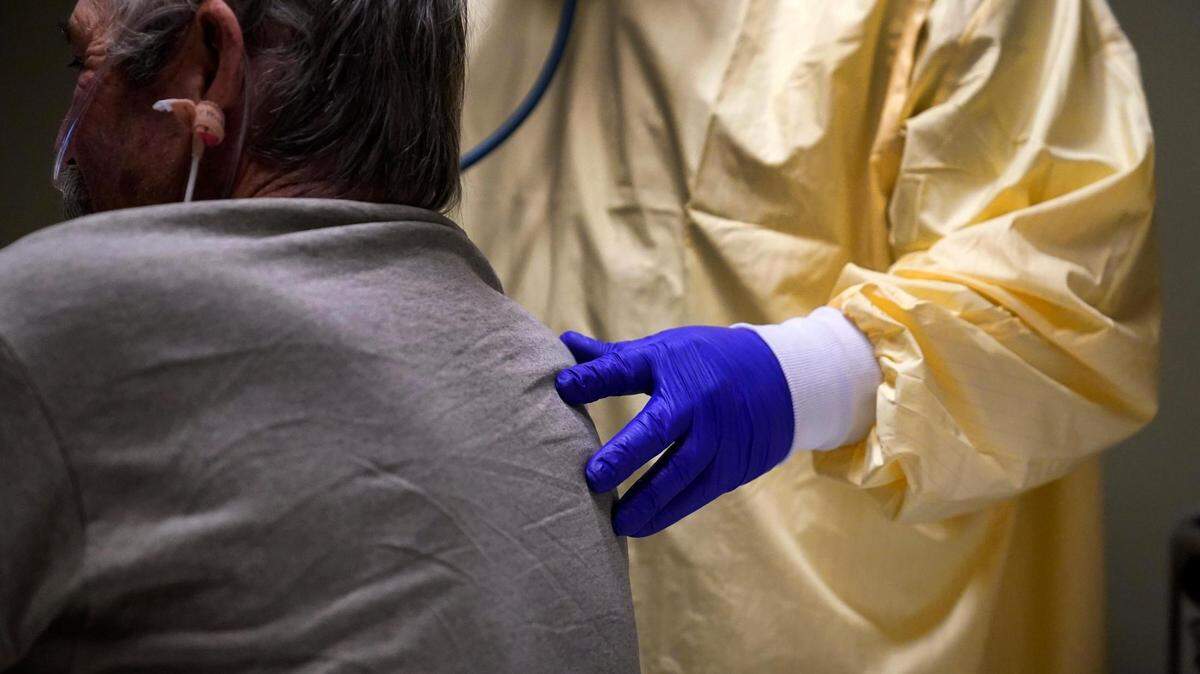
COVID-19 isn’t going anywhere. While Kansas City’s omicron wave seems to be trending downward, some people, often referred to as long haulers, are still dealing with lingering COVID symptoms for months after they first test positive.
You’ve probably heard the phrase “long COVID” before, but what exactly is it? We spoke with Dr. Paramdeep Baweja, Interventional Cardiologist with University Health, to answer your questions about long COVID, how it’s affecting people here in Kansas City and what resources are available if you’re dealing with it.
WHAT IS LONG COVID?
Long COVID is a set of symptoms that can affect your health and life for longer than typical COVID-19 symptoms. Most people with long COVID have symptoms lasting for two to nine months, or sometimes more.
Some estimates show that more than a third of COVID-19 survivors develop some kind of lingering symptoms.
Some symptoms include tiredness, fatigue, shortness of breath, impaired memory, dizziness, chest pain, irregular heartbeat and depression. Dr. Baweja said that a lot of people who go to University Health describe a reduction in their quality of life because of long COVID.
HOW IS LONG COVID AFFECTING PEOPLE IN KANSAS CITY?
Long COVID symptoms take a toll. Baweja said his patients’ consistent feelings of chest discomfort and shortness of breath impacts how much physical activity they can do.
“Sometimes, even routine tasks at home are hard to do,” he said.
He’s also seeing long COVID affect patients minds and mental health, saying some people have had impaired memories, and that the stress of ongoing COVID-19 symptoms have led to poor concentration and depression in his patients.
HOW DO YOU TREAT LONG COVID?
Baweja said that treatment for long COVID patients is a multi-pronged approach. Most of the symptoms are based on a specific body or organ system, so people need care for that part of their body.
For example, people who are experiencing shortness of breath may need to get their lungs checked to see if they have any significant lung damage. Patients with chest pain may have developed cardiac problems on top of COVID symptoms that are persistent.
For patients with psychological and cognitive complaints, they’ll need to see a psychologist and might participate in long-term neurocognitive therapy to recover.
Some patients with significant long-term issues may also need physical therapy and in-house care.
IS IT POSSIBLE TO PREVENT LONG COVID?
Baweja said that a complete set of vaccinations can reduce your risk of getting long COVID.
He said that nothing beats not getting infected with COVID-19 in the first place, so wearing masks, social distancing and practicing good hygiene to prevent and avoid infection are huge.
“People need to understand that these are their only weapons to fight this kind of problem,” Dr. Baweja said.
WHAT SHOULD EVERYONE KNOW ABOUT LONG COVID?
Recovery time from COVID-19 can be prolonged depending on what your situation is.
One thing Baweja and Leslie Carto, the external communications manager with University Health, emphasized is that it’s important that you believe people when they describe ongoing symptoms and how they’re affecting them.
“Because the (long COVID) symptoms are a little less clearly definable and there’s such a wide range of symptoms, often people are having trouble convincing their health care providers that their problems are real,” Dr. Baweja said. “The recognition for that has increased progressively, especially here at Truman.”
WHERE CAN PEOPLE GET HELP IF THEIR COVID SYMPTOMS DON’T STOP?
Help is available, and doctors and researchers are continuing to study long COVID.
University Health has a Center for COVID Recovery. It’s a comprehensive clinic made to address these problems and get patients specialized care for long COVID. If you’re dealing with long COVID, call 816-631-3533 to schedule an appointment.
The University of Kansas Health System also has a long COVID program designed to combat long term symptoms.
Dr. Branden Comfort, an internal medicine specialist at The University of Kansas Health System, said that they aim to provide the care that is the most effective at expediting recovery.
The health system treats the following symptoms using these methods
Fatigue and exercise intolerance: personalized physical and occupational therapy plans
Brain fog: speech therapy
Shortness of breath and cough: breathing exercises, pulmonary rehab, inhalers in select cases, oxygen if needed, cough suppressants
Issues with blood flow: compression stockings, fluids, increased salt, other compression garments, sometimes beta-blockers
Insomnia: standard sleeping medication and sleep hygiene
Rashes or other skin sores: topical steroids
Depression/Anxiety: usual treatments
Cardiac involvement: steroids if it’s true myocarditis, but otherwise standards of care associated with other cardiac conditions
Gastrointenstinal: when they see this, it’s usually a gut transit issue, similar to gastroparesis, so using metoclopramide and erythromycin in these cases
If you have COVID-19 symptoms for 12 weeks or longer after being infected, call 913-588-1227 or your primary care provider for assistance.
“There’s a recovery at the end,” Dr. Baweja said. “If you get help, you can get better sooner and get back to your life and take control of all of those things that seem so helpless right now.”
Do you have other questions about COVID-19 in Kansas City? Ask us at kcq@kcstar.com or with the form below.