
Here’s what doctors say you can do as COVID patients overwhelm Kansas City hospitals
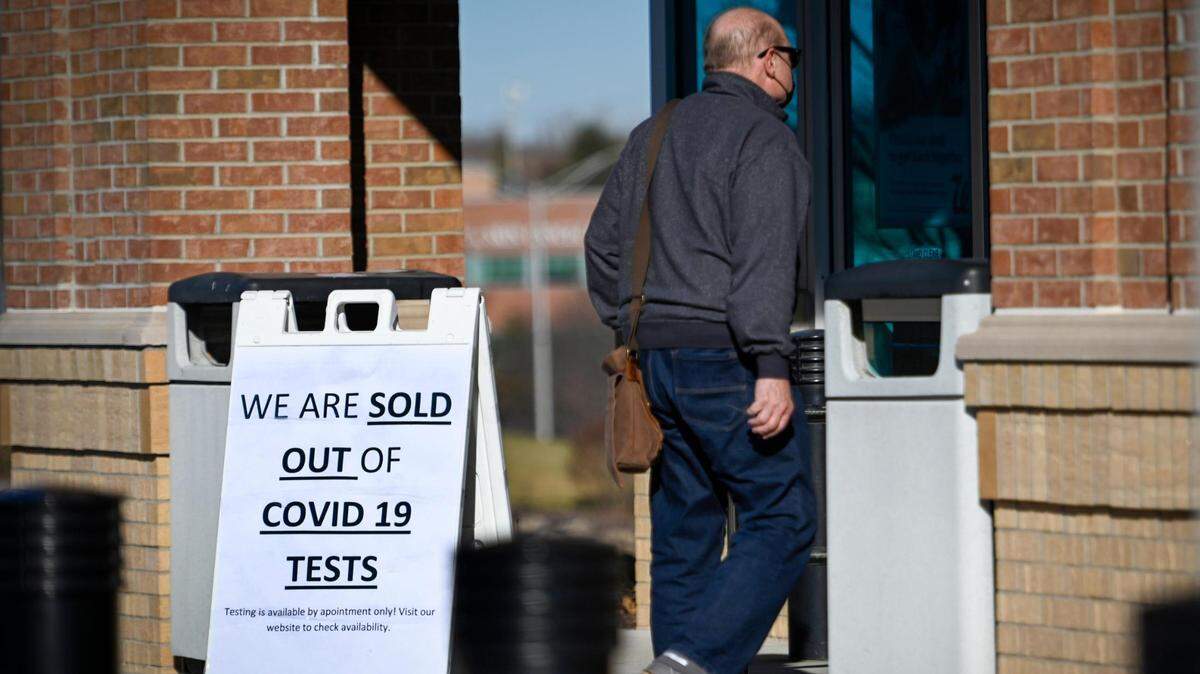
Kansas City area hospitals continue to be overwhelmed with COVID-19 patients, putting a strain on emergency rooms and intensive care units around the metro area.
Doctors from five local hospitals described worsening conditions including staff and supply shortages, cancellation of nonessential medical procedures, increased wait times for patients and other challenges in a news briefing on Wednesday, Jan. 12.
“We are really at the highest level of crisis that we’ve seen in the healthcare system for a long time,” said Dr. Raghu Adiga, Chief Medical Officer of Liberty Hospital.
As death rates from COVID-19 climb in the Kansas City area, doctors laid out the challenges their facilities are facing and asked for the public’s help in combating them.
Here are five steps you can take to help ease the strain on medical facilities around Kansas City.
1. Donate blood
Some hospital necessities, like ventilators and monoclonal antibody treatments, are distributed by the state or federal government. But one vital resource can be supplied by almost anyone: blood.
“We are very tight on blood supply, as I know the entire community is,” said Dr. Kim Megow, the Chief Medical Officer of HCA Midwest Health, which runs a network of ten medical facilities in the Kansas City area. Dr. Sam Antonios, Chief Clinical Officer of Ascension Via Christi Health in Wichita, said that his hospital is also running low on blood.
The Community Blood Center is a local resource that distributes blood to hospitals around the Kansas City area. You can find a donor center or blood drive near you on the organization’s website.
Area blood centers may be offering incentives to boost donations, too. Find out what to know before you donate.
2. Don’t get hurt
Obviously, accidents happen, and some injuries and illnesses are unavoidable. That being said, doctors urged extra caution in residents’ daily lives to prevent avoidable trips to the ER or urgent care facilities.
“This is not a time to slip and fall,” said Adiga. “Hospital beds are over 100% capacity, and we struggle to staff the overflow areas so that we can take the stress off of the emergency room.”
Overcrowding is leading to hours-long wait times for hospital beds, even those in the ER that are generally reserved for the most urgent cases.
“We know that COVID has a high mortality rate,” said Dr. Steve Stites, Chief Medical Officer of The University of Kansas Health System. “But when we can’t get people taken care of, mortality rates for all diseases rise—heart attack, stroke, cancer.”
The best way to help these patients, as well as the staff caring for them, is to stay healthy. This means practicing extra caution when driving, doing home improvement projects, using drugs or engaging in other potentially risky behaviors. It also means staying safe from COVID-19.
If you’re not sure when to go to the emergency room or urgent care, we made a guide.
3. When in doubt, assume you have COVID-19
Many home COVID-19 tests claim to have an extremely high level of accuracy. According to local experts, this claim isn’t always true in what Dr. Sties calls “the age of omicron.”
Dr. Catherine Satterwhite, the Region 7 Health Administrator for the U.S. Department of Health and Human Services, said that there are over 400 different home tests on the market right now, each with a slightly different level of accuracy. That means that all home test results should be approached with some skepticism.
“You have to go about this with an abundance of caution, and that means to act as if you do have it,” said Dr. Dana Hawkinson, Medical Director of Infection Prevention and Control at The University of Kansas Health System. That means staying home if at all possible, washing your hands frequently, maintaining distance from others and wearing a mask in public.
If you’re wondering when is the best time to take a COVID-19 test and which kind of test would be the best option, check this out.
4. Wear a mask
Mask mandates may be a source of controversy, but the personal choice to wear a mask is one doctors say is vital to help slow the virus’ spread and decrease infection.
“We have an abundance of data showing that just wearing a mask, even if no other people are wearing a mask, will continue to protect you,” said Hawkinson. Megow added that a mask’s fit is a central component of its protective properties.
“Currently we do believe that a well-fitting mask is important,” she said. “Masks that are loose around the sides of the cheeks or the nose are not as effective… [and] a multilayer cloth mask is more effective than a single layer like a bandana.”
5. Be kind to health care and essential workers
Doctors from across the region stressed the importance of kindness during these stressful times, especially towards overburdened healthcare workers.
“Every day when I [go] around in the intensive care unit and check on the staff, people are in tears,” said Dr. Lisa Hays, Chief Medical Officer of AdventHealth Shawnee Mission. “They’re struggling to get the community to understand how dire the situation is.”
Antonios added that a kind word and polite behavior towards healthcare and other essential workers goes a long way.
“Kindness is the easiest thing that people can extend,” he said. “It costs nothing to be kind and show grace to our healthcare workers who despite all the adversities are showing up to work and doing a very tough job.”
Do you have more questions about staying safe from COVID-19 in the Kansas City area? Ask our Service Journalism team at kcq@kcstar.com or fill out the form below.
This story was originally published January 12, 2022 at 1:05 PM.
.jpg)