
Record number of kids hospitalized with COVID at Children’s Mercy. Here’s what to know
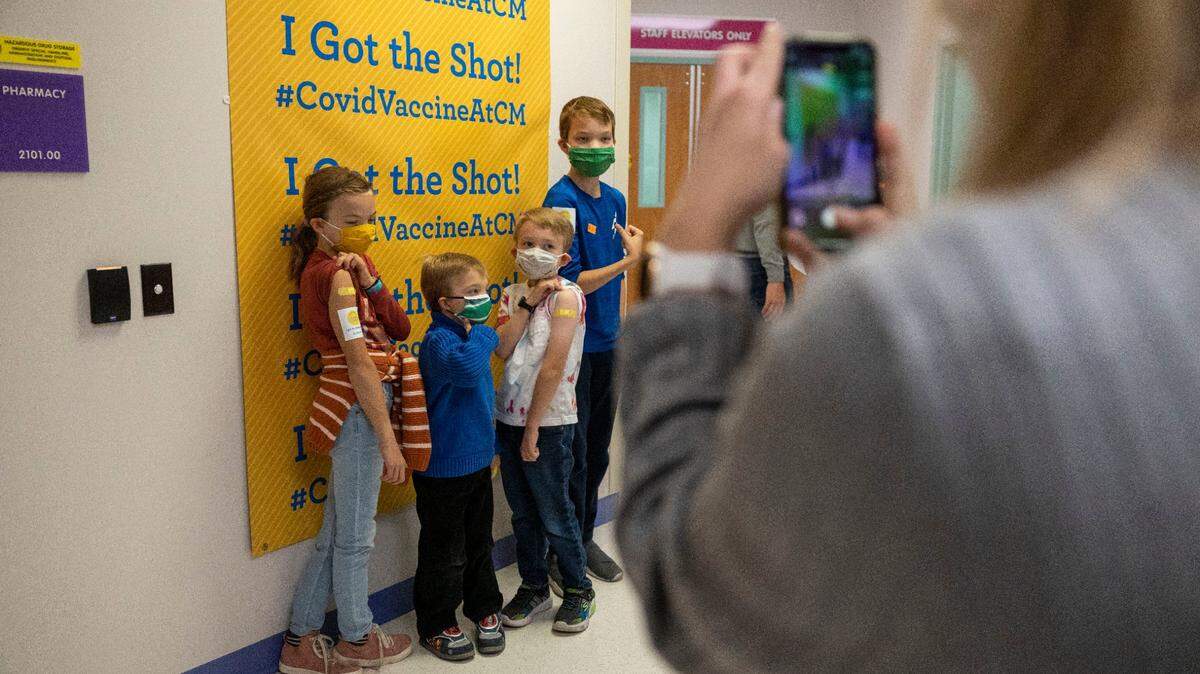
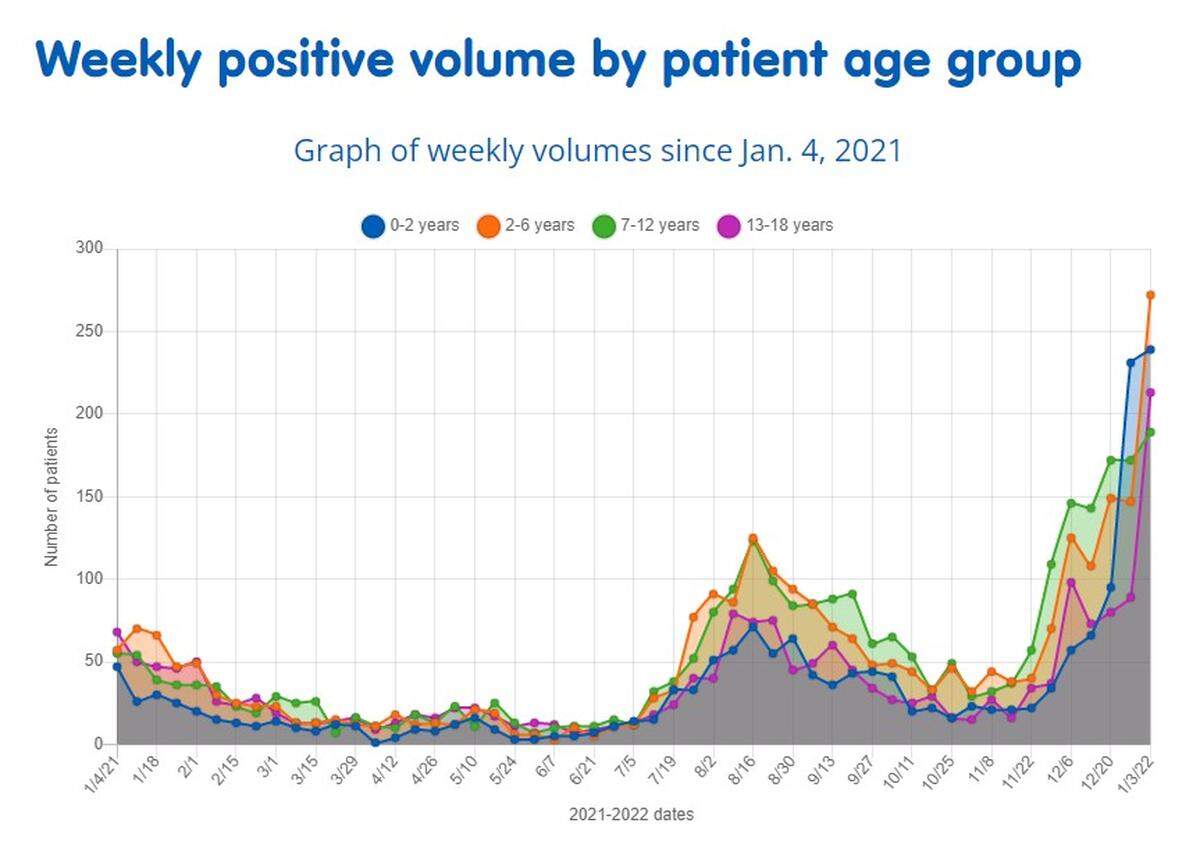
Thirty children are hospitalized with COVID-19 at Children’s Mercy hospital as of 5 a.m. on Wednesday, Jan. 5— the highest number of the entire pandemic. The hospitalizations accompany a recent surge of the omicron variant among people of all ages in the Kansas City area.
“It’s so much more contagious than the previous strains [that] even if it causes less severe disease overall, when more people get infected, a higher number of people will be hospitalized,” said Dr. Angela Myers, the Infectious Diseases Division Director at Children’s Mercy.
Here’s what kids and parents should keep in mind as cases spike in the area.
What symptoms does omicron cause in children?
According to Dr. Myers, COVID-19 often presents itself with upper respiratory symptoms like cough, congestion, sore throat and headache. These symptoms are similar to those seen in other variants of COVID-19, as well as other viruses altogether like the flu and common cold.
“It appears that the omicron variant is less likely to cause that loss of taste and smell which was more prominent with earlier variants,” said Myers. “It [also] appears that there’s less lower lung disease developing overall.”
However, the absence of these symptoms doesn’t mean that the omicron variant isn’t a serious virus that can make children very sick. The best way to know for sure what you or your child have is to get tested. Here’s our guide to local testing sites, and here’s how you can get a home test sent to you.
How can kids stay safe from COVID-19?
The best way to keep your children safe from COVID-19 is to get them vaccinated. Most of Children’s Mercy’s 30 COVID patients are unvaccinated, said spokeswoman Lisa Augustine. The Pfizer vaccine has been approved by the FDA and the CDC for use on children ages 5 to 17, and booster shots have been approved for 16 and 17 year olds.
On Monday, Jan. 3, the FDA announced that it was expanding its recommendation for booster shots to include children ages 12-15 as well. Dr. Myers expects to see CDC approval and rollout of this new guidance as early as next week.
But children under 12 are still ineligible for a booster shot, while those younger than 5 currently can’t get vaccinated against COVID-19 at all. For this reason, Myers recommends a variety of safety measures to keep kids from being infected.
“Encouraging your kid to wear a mask, even if it’s not required in school, I think is really critical,” she said. “[So is] washing your hands frequently, sneezing and coughing in your elbow, staying home when you’re sick, [and] getting tested if you have symptoms, even if your symptoms are mild.”
What should you do if your child tests positive for COVID-19?
The CDC recently updated its safety recommendation to five days of isolation after a positive COVID-19 test, followed by five more days of strict mask-wearing. Myers said that this guidance applies to kids too, but only if they’re able to wear a well-fitting mask all day.
“In reality, little kids need to stay home the entire ten days,” she said. “Unless they’ve got a negative test that shows they’re no longer positive, so therefore they’re not contagious, they really need to be staying at home because they can’t wear a mask out[side].”
While keeping a sick child at home can place a burden on working parents, Myers added that children shouldn’t be sent back to school or daycare if they still feel sick after this five or ten day window.
“Anybody who still has symptoms [on] day five should stay home. Any young child who cannot wear a mask should stay home,” she said. And if their symptoms worsen to a degree that can’t be managed at home, she said parents should bring their child to the hospital.
Do you have more questions about staying safe from COVID-19 in Kansas City? Ask our Service Journalism team at kcq@kcstar.com or fill out the form below.
This story was originally published January 4, 2022 at 3:10 PM.
.jpg)