
COVID case numbers continue to rise in Kansas City metro following Christmas weekend
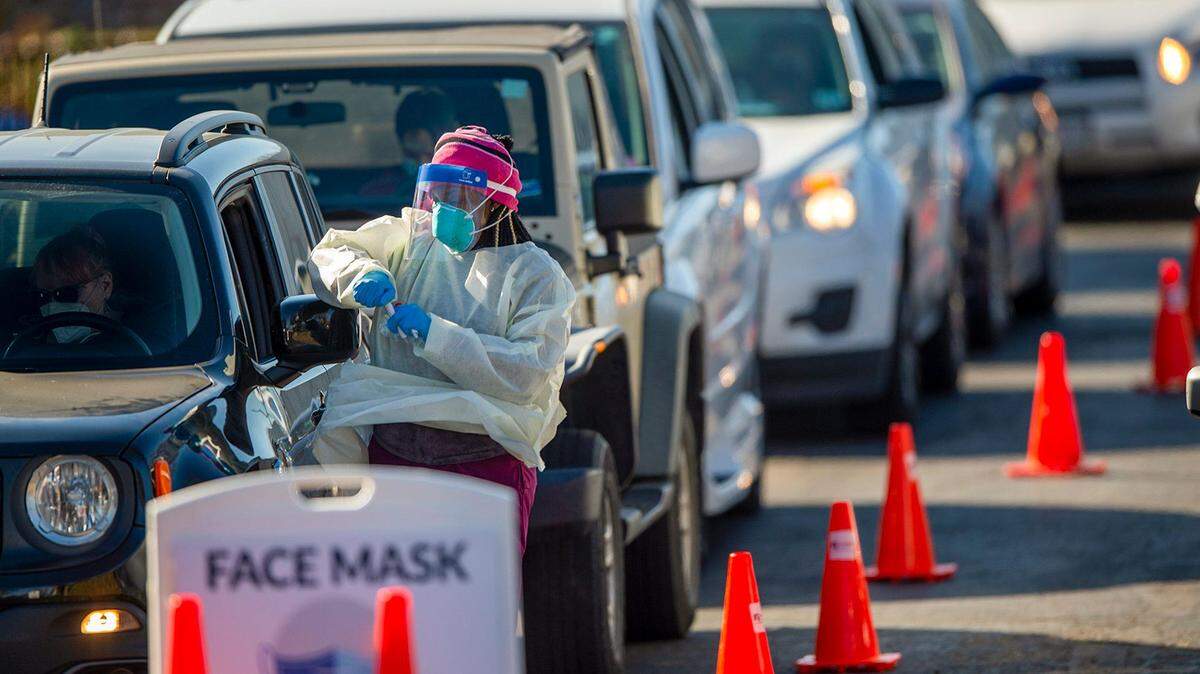
COVID-19 case numbers continue to rise in Kansas City as data flows in from over the long Christmas weekend. The seven-day rolling average of new daily cases has again reached a level not seen since last winter.
Local officials have reported 6,577 new COVID-19 cases in the past week, bringing the total number of cases in Kansas City up to 237,287 since the pandemic began.
Forty-eight people have died from COVID-19 in Kansas City in the past week, bringing the death total up to 3,389 since the pandemic began.
As of Tuesday, the rolling average of new COVID-19 cases across the metro area is around 940 per day over seven days, according to data tracked by the Star. That’s higher than last week’s average of 844, and the new highest seven-day average since January.
The University of Kansas Health System is treating 58 patients with active COVID-19 infections as of Tuesday, Dec. 28. Seventeen of these patients are in the ICU, with eight on ventilators. That’s similar to last week’s count of 61 active cases.
The ongoing rise in cases comes on the heels of the highly contagious omicron variant’s arrival in the Kansas City area. Data released on Monday, Dec. 27 shows that the variant is present in wastewater around Missouri, including in Kansas City.
“[This] means that Omicron has spread to numerous sewersheds in a very short period of time. There have not been that many confirmed patient cases yet, but that data is usually lagging,” University of Missouri microbiologist Dr. Marc Johnson told The Star.
“We expect that Omicron will overtake Delta, though Delta levels themselves are currently still increasing.”
Of the 58 patients that the University of Kansas Health System is currently treating for COVID-19, only two are fully vaccinated. Getting a full course of vaccines and a booster shot remain the most effective way to stay safe from the virus.
Vaccinations and booster shots are available for free at clinics around the Kansas City area.
Do you have more questions about staying safe from COVID-19 in Kansas City? Ask our Service Journalism team at kcq@kcstar.com or fill out the form below.
.jpg)