
Should you gather for Christmas? How Kansas City area doctors handle their holidays
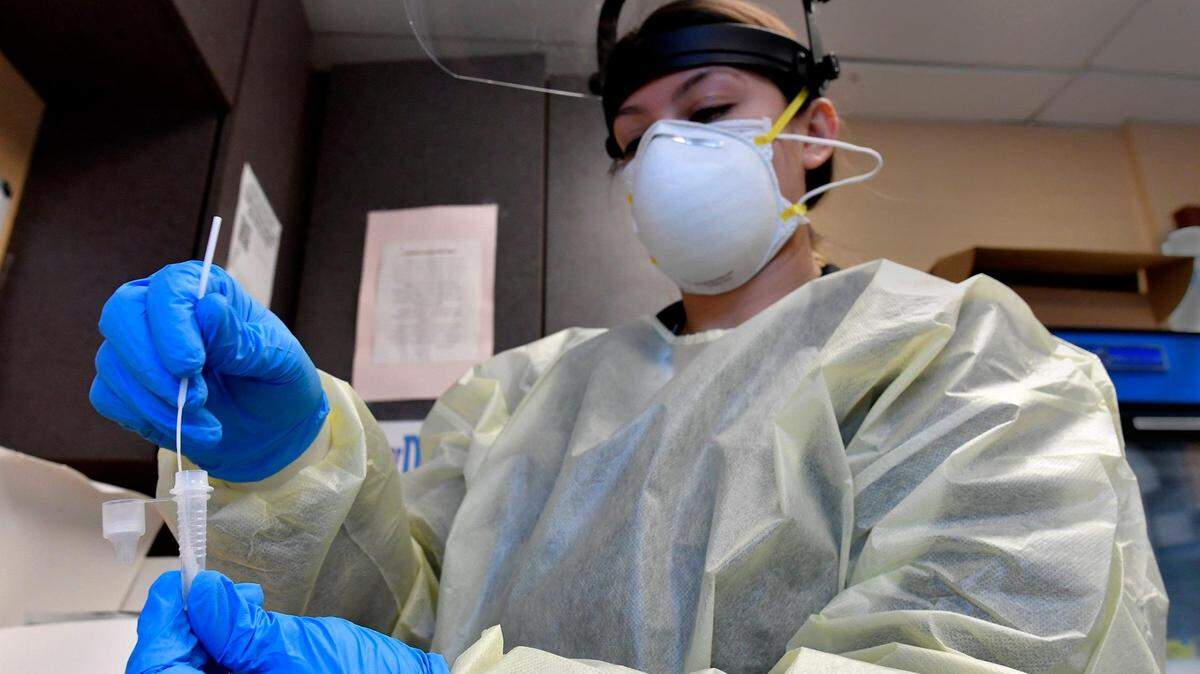
Before COVID, Christmas for Lisa Harvey’s family involved a gathering of 20 people — sometimes more than 40 — ”sharing food, sharing drinks, kids running around, eating together, laughing together, not a concern in the world.”
That didn’t happen last year and it won’t happen this year either, as Harvey’s family prepares to celebrate a second COVID Christmas, safety protocols firmly in place.
The Star asked Harvey, acting CEO of Family Health Care, a safety net clinic in Kansas City, Kansas, and other top health professionals in the area how they are keeping their families safe this holiday season, especially with omicron, the highly contagious COVID variant, swirling around Kansas City. Cases have been confirmed in Wyandotte and Johnson counties as of Wednesday.
If they could put anything in Kansas City’s collective Christmas stocking this year, it just might be a COVID booster shot.
And their relatives shouldn’t even think about showing up at a gathering if they aren’t vaccinated. (But most are.)
They know people are tired of hearing them recommend COVID safety, which includes mask wearing in public despite what your local government leaders say. Some of them feel like a broken record.
But they also see first-hand the hospitals full of COVID patients right now and how hard that is on burned-out employees taking care of a seemingly endless parade of unvaccinated patients.
“It’s difficult,” said Harvey. “We don’t get to do the big, fun family photos. And we’re not doing the huge family gatherings, which are dear to my heart and to my kids’ hearts.
“But we understand even in the extended family how extremely important it is this year, and possibly still next year, that we take care of each other, and this is how we’re showing our love.”
No shot? No invite
An 11-month-old baby and a relative being treated for cancer have Ginny Boos’ family being extra cautious this Christmas. That means everyone invited to the smaller-than-usual gathering of about 10 people, even out of town guests, must be fully vaccinated.
“Everybody understands that. We’re very open about the fact that if you’re not feeling well, you really need to stay home. Everybody is good with that,” said Boos, director of infection prevention for Saint Luke’s Health System.
Well, almost everyone.
“We have one (family member) in particular that is being rebellious and doesn’t want to get vaccinated. So he’s been told that he can’t come,” she said. “Which is a hard thing to do but it’s the right thing to do.”
Because everyone else is vaccinated, the family decided not to ask guests to do a rapid COVID test before coming, and to be grateful if someone who’s not feeling well stays home.
Her family, which includes other health care providers, “is really taking it pretty serious. We believe in testing and have tried to minimize our outside contacts.”
“I firmly believe that leadership is about modeling the behavior that you want to see in others,” said Boos. “So I take my role to heart, and if I’m asking someone else to do something that I believe is the right thing, then it has to be the right thing for me, too.
“And I just look at the people who can’t be vaccinated or are already fighting life-threatening illness, and I want to be around them at the holidays. … But we kind of need to set the rules … to be as safe as we can.”
Boos is as tired as anyone else of the pandemic. In her annual Christmas letter to the family, she wrote that it feels like we’re all living the movie “Groundhog Day” — “in high definition” — where Bill Murray keeps living the same day over and over.
.jpg "Boos, Virginia_2017_med (1).jpg")
Are you exposing someone?
Dr. Elizabeth Long’s brother loves Christmas Eve so much that he hosts the family party that night. But not this year, because he got COVID-19 at his office holiday party.
P.S., he’s a physician.
“I’m telling on him,” Long laughed. The party was at a loud bar where masks made conversing difficult, she said.
“It just takes one episode or one gathering, and it could be church, it could be anywhere,” said the chief medical officer of Olathe Health.
“But thank goodness he did get tested because my mom and dad are going to be there (at Christmas Eve.) They are vaccinated and boosted and all that good stuff, but they really have no business getting that. So we are doing a very small gathering.”
Long said people trying to decide how they’re going to spend the holidays simply need to be mindful of their loved ones.
“It’s hard to dictate every situation. But think about the ramifications of not only if I personally get sick, but what if I go somewhere and I get someone else sick?” she said. “What does that look like? And wouldn’t it be easiest just to take those precautions that we all know to do?
“Just try to keep everybody in mind as far as this goes, because we always see a surge after a gathering, whether it’s Thanksgiving or Christmas. And we also have, with less people wearing masks, our flu season going up. So it’s kind of a one-two punch.”
Long said she would never tell people not to get together over the holidays. But “maybe there is a safer way to do this,” she said. “Let’s be mindful of who is there, who they are going home to.
“I can’t say we did this for COVID, but in our office we delayed our office party. Would that be a reasonable thing to do, just to say we’re not going to celebrate but do it when it’s a good time? Then of course, when is that going to be?
“I think there is a way for us to benefit from the holidays … but maybe not do everything to the nth degree.”

Maybe stay home?
The relatives in town who celebrate with Dr. Todd Beardman’s family are vaccinated and have had booster shots. So are a couple of people joining them from out of town.
Another piece of his family’s holiday safety plan? “If anyone is having any symptoms, they need to be tested,” said Beardman, chief medical information officer for North Kansas City Hospital. “Unfortunately, we’re not just seeing COVID but flu and RSV and other respiratory viruses. …
“And if anybody’s positive, obviously they can’t come or they need to isolate just like everyone else normally would.”
A couple of people in his family with underlying health conditions are at higher risk of severe COVID, and even getting the flu could harm them, he said.
“It’s really no different than what we would have done if someone had symptoms a few years ago and we were talking about flu instead of COVID,” said Beardman. “That’s really the trick. If you’re sick you need to stay home.”
The same advice applies if you wake up Christmas morning with symptoms and can’t get tested before joining the rest of the family, Beardman said.
“That’s a tough question because I think everybody wants to be together, especially having had two years of going through this,” he said. “But obviously the safe move is you have symptoms … stay away. And just defer that get-together. … It’s a tough course of action emotionally but it’s the right course of action logically.”
Take a self-inventory
There’s been a lot of hand-washing in the Harvey household during the pandemic, and that’s still going on. Everyone wears masks in public, too, even though local mask mandates are being relaxed. Harvey requires it of her two teenage children.
For the holidays, instead of everyone gathering in one place, she and her family of four will visit extended family in their various homes to keep the gatherings small — especially important for her 99-year-old grandmother.
“Before the events, everybody is doing a self-inventory. How do I feel today? Do I have a headache? Do I seem to be running a little warm? And then we’ll make the decision, we’ll talk about it together,” she said.
“And everybody goes into it knowing the risk. And knowing that they’ve given all of the information to everybody in the family because we love each other and we want to take care of each other.”
She is unapologetically strict about keeping track of her teenagers’ comings and goings before they visit their great-grandmother. Three days in advance they’re not allowed to attend events or socialize. She asks if they’ve been around anyone with the sniffles or a cold.
“It’s like grilling my kids and grilling my family, but I love my grandmother so much and my kids love their great-grandmother so much that we understand that’s what we have to do,” she said.
Health, the greatest gift
Like many last year, Dr. Lisa Hays’ family celebrated Christmas via Zoom, following advice from her brother, an infectious disease physician. This year, people are coming to her house, but she knows they are all vaccinated and wear masks in public, which makes her comfortable hosting them.
“And I’m going to my parents’ house and they’re all vaccinated,” said Hays, chief medical officer for AdventHealth Shawnee Mission.
Patients are asking her if they need to get tested for COVID before they attend a family holiday party.
“I tell them if they’re not symptomatic I would just do a home rapid antigen COVID test on the day that they’re planning to be with their family,” she said. “If they’re symptomatic, first of all I tell them to stay home. I think the greatest gift they can give their family is the gift of health.”
Hays said that even though her church doesn’t require masks anymore, she and her family members wear them, “because you don’t know if the people around you are vaccinated or not.
“I still wear a mask when I go out in public. I frequently forget that I have one on and then catch people looking at me with an odd look. But no, me and my family mask.”
This story was originally published December 23, 2021 at 5:00 AM with the headline "Should you gather for Christmas? How Kansas City area doctors handle their holidays."
.jpg)