Blood oxygen measuring devices reveal skin color bias, study finds. Here’s why
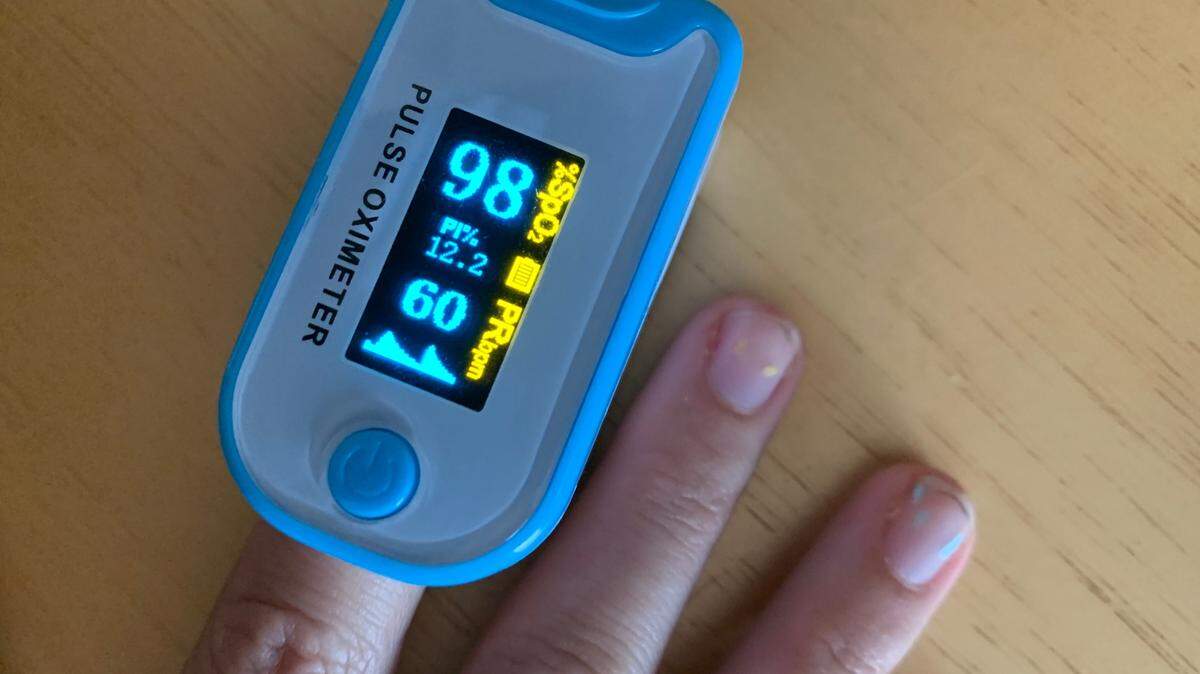
A study of more than 48,000 blood oxygen measurements shows that Black people are nearly three times more likely to get false readings from pulse oximeters than white people.
Pulse oximeters are devices that clip onto fingertips to measure how much oxygen is flowing through blood. People can buy this device to monitor their health at home, especially if they’re infected with coronavirus and experiencing shortness of breath.
These tools can quickly alert people that their hearts aren’t pumping enough oxygen throughout their bodies, even if they appear and feel fine on the outside.
But the study, conducted by researchers at the University of Michigan, reveals these devices are telling Black people their oxygen levels are normal when in fact they’re experiencing hypoxemia, or dangerously low levels of oxygen in the blood.
A report was published Dec. 17 in The New England Journal of Medicine.
“It’s not happening a lot, but if you think of how often these measurements are taken, if it’s wrong 12% of the time, I worry that could be really impactful,” study co-author Dr. Michael Sjoding, a physician in the Michigan Medicine Pulmonary Clinic, told NPR.
“When I ran these analyses, I was just really surprised,” Sjoding added.
The researchers compared oxygen level measurements provided by the fingertip device to oxygen level measurements from blood samples taken from patients’ arteries, which provide more accurate results. The measurements were collected 10 minutes apart.
The patients involved in the study were all receiving supplemental oxygen at either the University of Michigan Hospital between January and July or in intensive care units at 178 hospitals between 2014 and 2015.
The study did not specify if some of the patients admitted to the hospital this year were sick with COVID-19.
Among the patients at the university hospital, about 12% of those who showed incorrect readings were Black, according to the report. Those patients had an oxygen saturation between 92% and 96% — a normal reading — on the pulse oximeter but actually had blood oxygen levels below 88% in the artery exams, according to the report.
Meanwhile, just 4% of the white patients received incorrect pulse oximeter results.
In the multicenter group, 17% of Black patients had blood oxygen levels below 88% despite a normal reading from the fingertip device, while the issue affected about 6% of white patients.
Together, Black people were three times more likely to get false readings than white people.
Sjoding told NPR he suspects the culprit is skin color, not race. The light the pulse oximeter shines into fingertips to measure blood oxygen can be absorbed by skin pigment, he said, interfering with the results.
In general, the darker a color, the more light energy and heat it absorbs.
The researchers suggest people refrain from depending too heavily on pulse oximeters to monitor their oxygen levels and to instead pay more attention to symptoms such as shortness of breath in deciding whether to go to the hospital.
This story was originally published December 21, 2020 at 3:57 PM with the headline "Blood oxygen measuring devices reveal skin color bias, study finds. Here’s why."