Goodbye, snow days. Hello, babies: 6 ways COVID will continue to change Kansas City
Predicting the future is an iffy game.
Few people before 2020, after all, seriously believed that a pandemic, generated by a virus from bats in China, would end up hobbling world commerce and in only nine months kill 1.7 million people, more than 300,000 in the United States.
Yet vaccines hold the promise that in 2021 the COVID-19 virus will begin to be tamed.
What might the new normal look like then? Will everyone discard protective face masks or might they become a lasting part of the U.S. wardrobe? Will you ever really return to an office full time?
And what of snow days now that teachers know that kids can learn at home, online? Do they melt away and disappear forever?
Here are six predictions that experts say have a decent chance of coming true.
1. Snow days
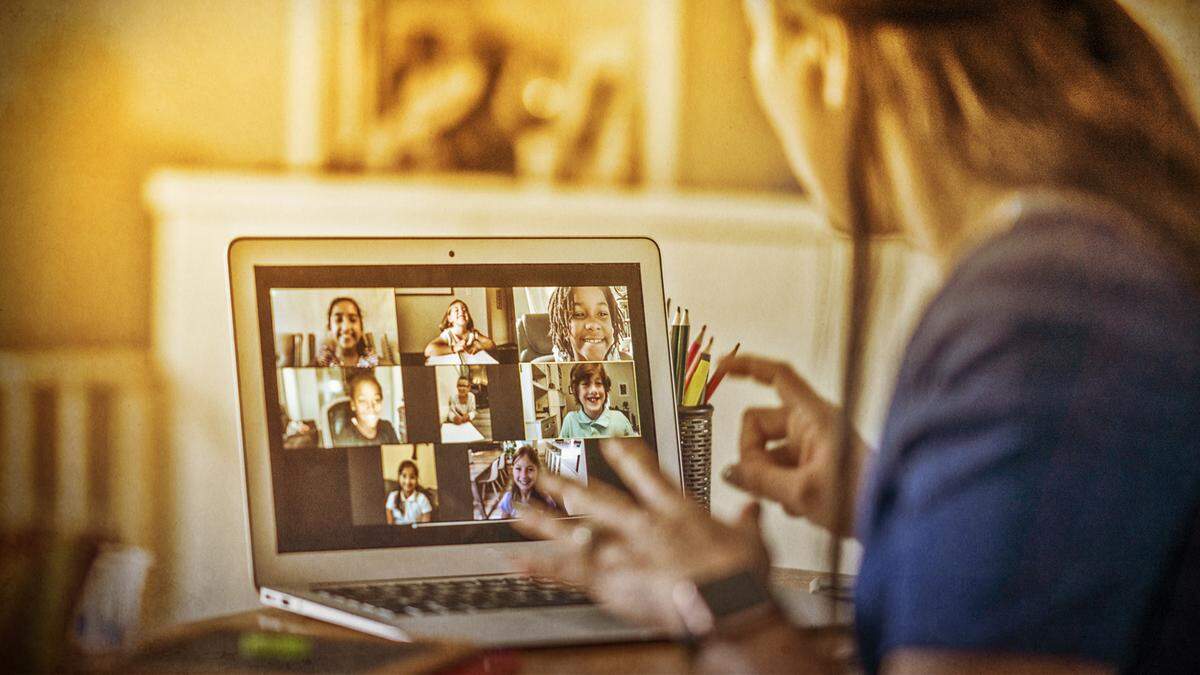
Odds are that snow days are gone, melted like Frosty. New York City, hit by a major December snow, has already done away with them now that broadscale remote learning has proven to be possible.
“Someone said to me the other day that they felt kind of forlorn that it ends the snow day as we knew it as kids, when we looked forward to a day off,” the city’s mayor, Bill de Blasio, said in making the unpopular announcement. “Yes, it’s true. That’s now going to be a thing of the past.”
In Johnson County,for example, both the Olathe and Blue Valley districts have approved calendars for next school year which allow for not snow days, but “remote learning days.” The University of Missouri announced in December it would no longer have snow days, expecting students (and faculty) to show up remotely.
“I think there is an opportunity for those inclement weather days to look a little different,” Blue Valley spokeswoman Kaci Brutto said. Some educators welcome the change as an opportunity for students to get back on track after the pandemic interrupted so much of school already.
Brutto allowed that snow days may not be completely gone.
“You think about the massive power outages due to snow or ice we’ve had,” she said, “and so there could be times when we need to cancel even remote learning.”
2. Going to movies
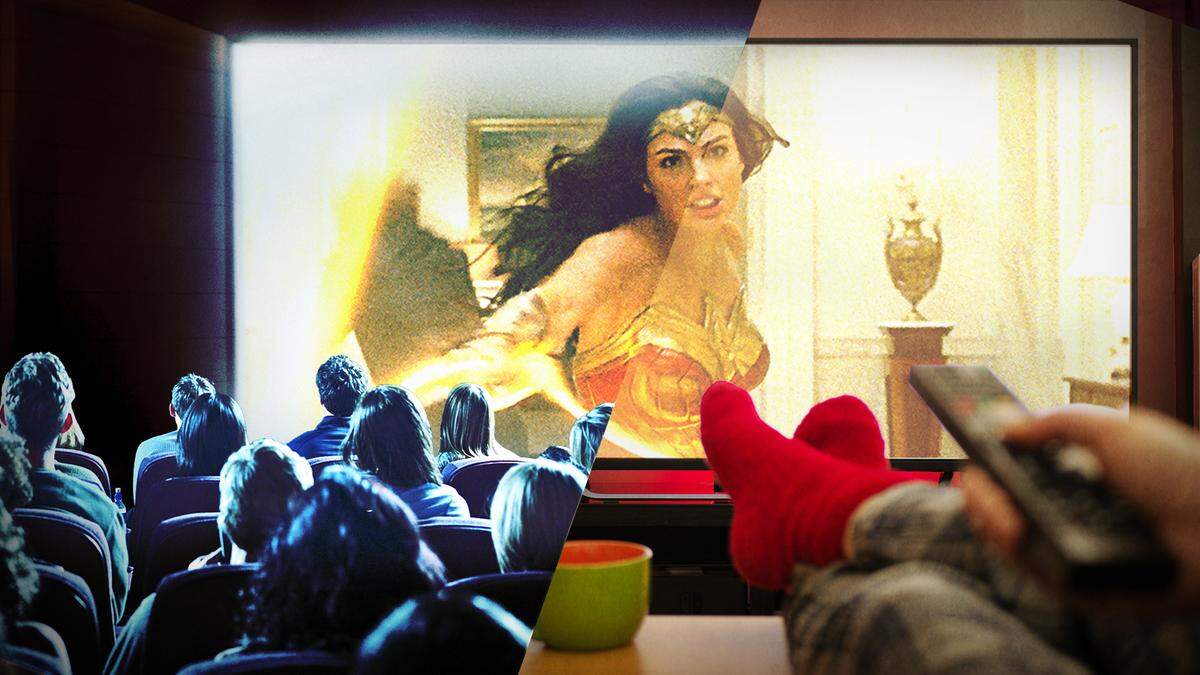
A big question is whether people will stream back to movie theaters, or stream more movies at home from Netflix, Hulu, Disney+, HBO Max and the rest. The answer is both.
The movie theater industry got whacked by COVID-19. But like Vito Corleone in “The Godfather,” it was wounded, but alive. Leawood-based AMC Theatres, which controls about 11,000 of the nation’s 42,000 movie screens, continues to work to avert bankruptcy. In 2019, theaters in the U.S. and Canada earned $11.4 billion in box office revenue. This past year, COVID-19 slashed that to a paltry $3 billion, minus another $4 billion in lost concessions sales.
“In the current situation, we’re hurting, obviously,” said Patrick Corcoran, vice president of the National Association of Theatre Owners, which represents owners in 100 countries.
But Corcoran is confident the industry will bounce back. Data bears that out, with at least one poll showing that, if the pandemic were over, 68% of consumers said they would want to watch a movie at a theater. And movie studios, which in 2019 got 46% of their revenue from theaters, are hardly ready to ditch that revenue stream for online.
Television, 65 years ago, was the biggest existential threat to movie houses. Although movie attendance has dropped steadily since a peak of about 1.6 billion people in 2002, box office revenue has been at an all-time high, topping $11 billion a year over the last five years.
DVDs were once predicted to be a movie house killer, Corcoran said, and “it was actually the opposite that happened.” Movies and DVDs became complementary. People who saw movies on DVD that they’d missed in theaters were pulled back to theaters for sequels and new releases.
Corcoran sees streaming services working in the same way. The pandemic will likely shutter some theaters, he said. How many is unknown. But he felt confident that once people feel comfortable with vaccine-conferred immunity, they will return.
“If this pandemic has taught us anything,” he said, “it’s that you’ve got to get out of your house, right?”
3. Masks and medicine
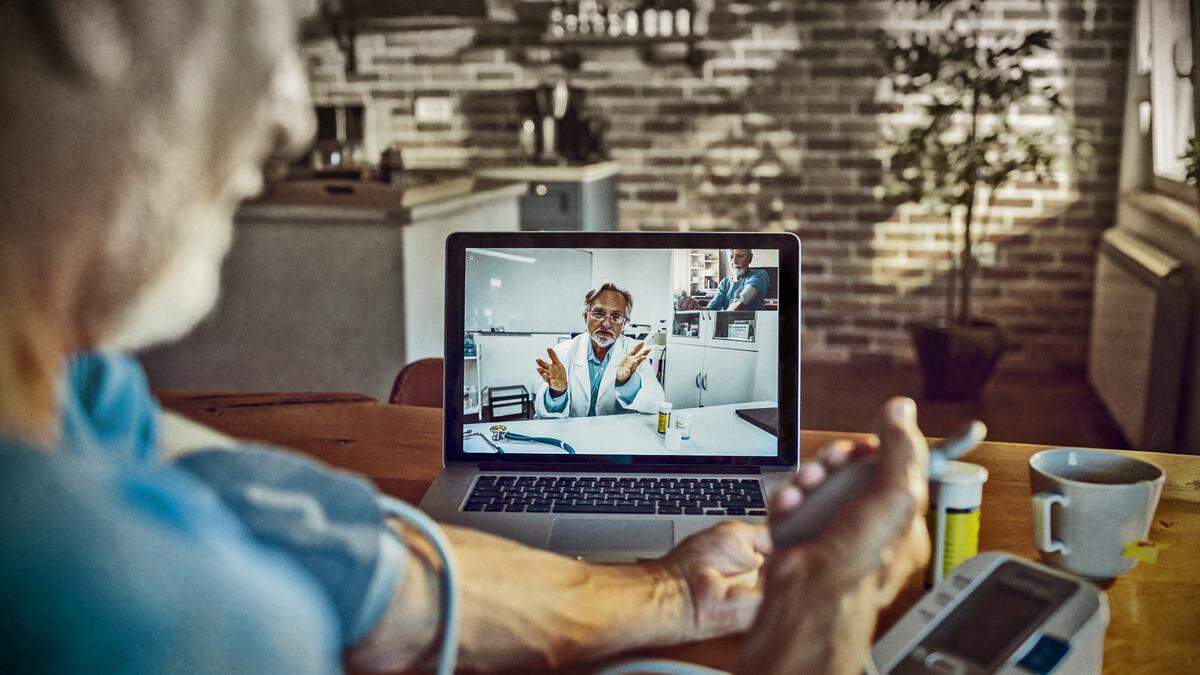
“The doctor will see you now — on Zoom.” If some school classes can remain online, so too can some doctor and therapy appointments, especially for patients who have a harder time getting out of the house. Expect the online video of telehealth to stick around.
Before COVID-19 struck, some 15,000 Medicare beneficiaries received telehealth services weekly, according to the National Law Review. After the pandemic hit, the Centers for Medicare and Medicaid Services expanded telehealth coverage, and by the end of April, nearly 1.3 million Medicare recipients were using those services every week.
Expect fresh faces in lab coats, too, as schools for doctors, nurses and other health professionals see a surge in applications. It’s been dubbed “the Fauci Effect,” a desire to be on the heroic front lines of medicine, named for Dr. Anthony Fauci, the ubiquitous and trusted head of the National Institute of Allergy and Infectious Diseases.
At Kansas City University, formerly Kansas City University of Medicine and Biosciences, applications to the medical school are up 47%. Nationally, on average, they’re up 20%,
“We’re way ahead of our acceptance rate,” said Dr. Darrin D’Agostino, executive dean and the school’s vice provost for health affairs.
As for masks? The good news is that millions of responsible people (some 73% according to a recent Kaiser Family Foundation Health Tracking Poll) say they wear them every time they leave the house. That leaves about a quarter of the population still flouting expert advice.
Masks will probably not go away once people are broadly vaccinated. Masks are part of the wardrobe now, sold in fancy prints. People will feel comfortable putting on a mask in an airplane while seated next to the hacker in the middle seat, or next to their co-worker, Sneezy, in the adjacent cubicle.
“Our flu numbers are the lowest, really, they’ve ever been,” D’Agostino said. “We’re not having admissions. The pediatric patients we would normally see, we’re not seeing. Now why is that happening?”
But to judge from the last time this country faced such a situation — the 1918 influenza pandemic — masses of people can’t wait to go maskless.
“It happens the minute public officials allow it,” said Nancy Bristow, a historian at the University of Puget Sound and author of “American Pandemic, The Lost Worlds of the 1918 Influenza Epidemic.” “People are so excited to never wear a mask again. We see people who are very quickly excited to be back together. Every time — in city after city — they say, ‘OK, the theaters will open again on Thursday.’ On Thursday there’s just thousands and thousand of people in downtown corridors celebrating just being out with friends.”
In 1918 and 1919, those celebrations also caused deadly flu cases to spike again. With COVID-19, health authorities emphasize that getting vaccinated doesn’t mean people can toss away their masks, or stop social distancing for some time. Those who are vaccinated can still carry and spread the virus.

4. Back to work!
At some time, people may return to work in offices. But don’t count on it soon. Most companies, including Google, Slack, Microsoft, Ford and others that originally anticipated heading back to their corporate headquarters in January, have long since pushed those dates until at least the summer.
Safety is the concern. But corporate executives also know that working at home can work. It is less expensive than paying for rent, utilities, security.
Wyndham Smith, the senior real estate partner in audits and assurance for Deloitte & Touche, the consulting firm, anticipates an increasing “hybrid approach, where you’re part of the week at home and part of the week in, you know, the commercial real estate,” also known as the office, he said.
A recent monthly workforce survey conducted by CNBC/Survey Monkey showed that workers are already headed back, many of whom, like health workers, don’t have a choice. In May, half (48%) of employees surveyed were working remotely. More recently,a poll of 9,000 workers from Nov. 30 to Dec. 7, showed 6 of 10 were back in-person, full-time, while 22% were working from home and 17% taking the hybrid approach.
Of those working at home full time, 40% said they would continue doing so “all the time” if allowed, even after things are safe. Another 35% said they’d be likely to work from home more than before the pandemic.
Millions of factory, health care, restaurant and other workers, of course, hardly have that luxury.
5. Flighty future
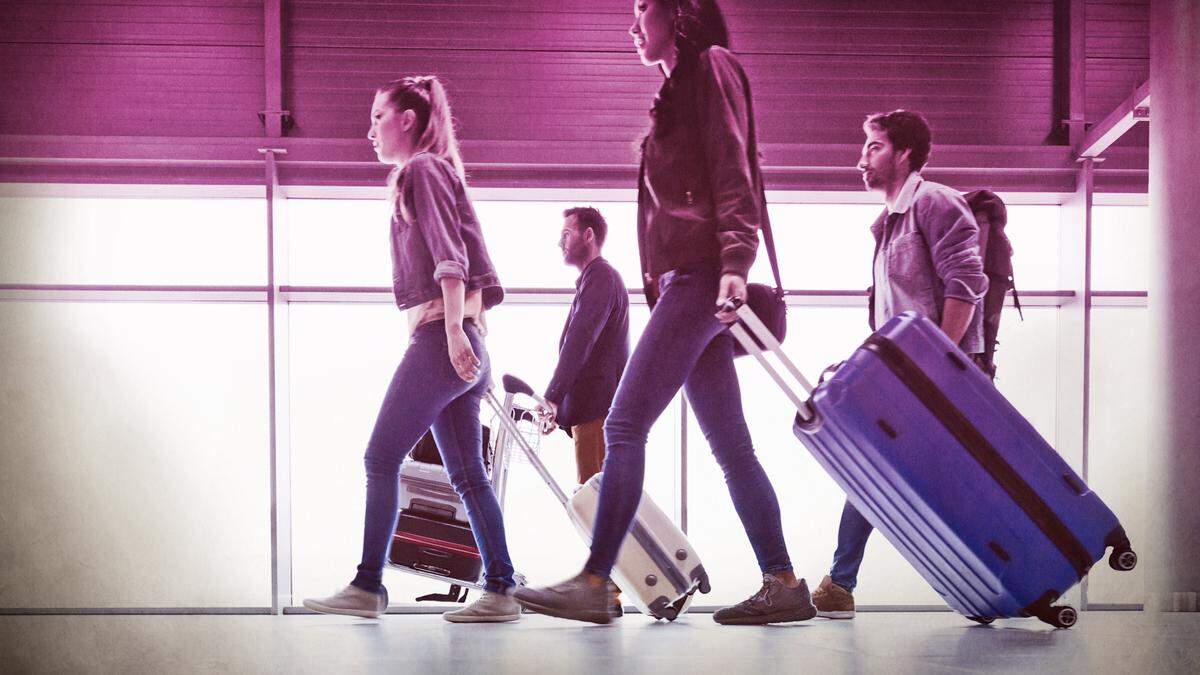
Choose your pun. COVID-19 grounded, sunk or derailed the U.S. travel industry. In 2019, an estimated $1.13 trillion was spent. In 2020: $622 billion, a 45% drop. In November, the U.S. Travel Association estimated that 3.5 million travel jobs had vanished, accounting for a quarter to a third of all unemployment.
On Dec. 14, the industry put out a “travel sentiment index report,” showing that even now, with vaccines in the offing, Americans are split, with only half saying they are ready to travel.
“This week 55% of Americans said they would feel guilty traveling right now,” the report said, “and 50% have lost interest in traveling for the time being.”
In all, 66% said they would not be ready to travel in the next three months. In other words, even as the vaccine is disseminated, people feel cautious about travel.
Local companies are no different. Cerner, Burns & McDonnell and Black & Veatch each recently said they were likely to keep business travel reduced long after the pandemic ends.
“We’re not going to get back to everybody gets on a plane and goes and shows up at a client’s site,” John Peterzalek, Cerner’s chief client and services officer, told The Star earlier this year. “It’s much more efficient for our clients frankly and Cerner … I see us coming out in a little bit different world than we entered.”
At Kansas City International Airport, the 2019 fiscal year (May 1-April 30) recorded 5.9 million “enplanements,” the word for any time someone steps on a plane at KCI to go someplace. More than halfway through the 2020 fiscal year, KCI has had less than 850,000.
How long will that last? Unclear.
But the expectation is that when travel does return, leisure travel — people yearning to get away — will come first. Business travel will follow. Conventions and trade shows will likely come last.
Good news in the short-term can be found in cheap flights. On Google flights, a round trip ticket from Kansas City to Hawaii in April can be found for under $500.
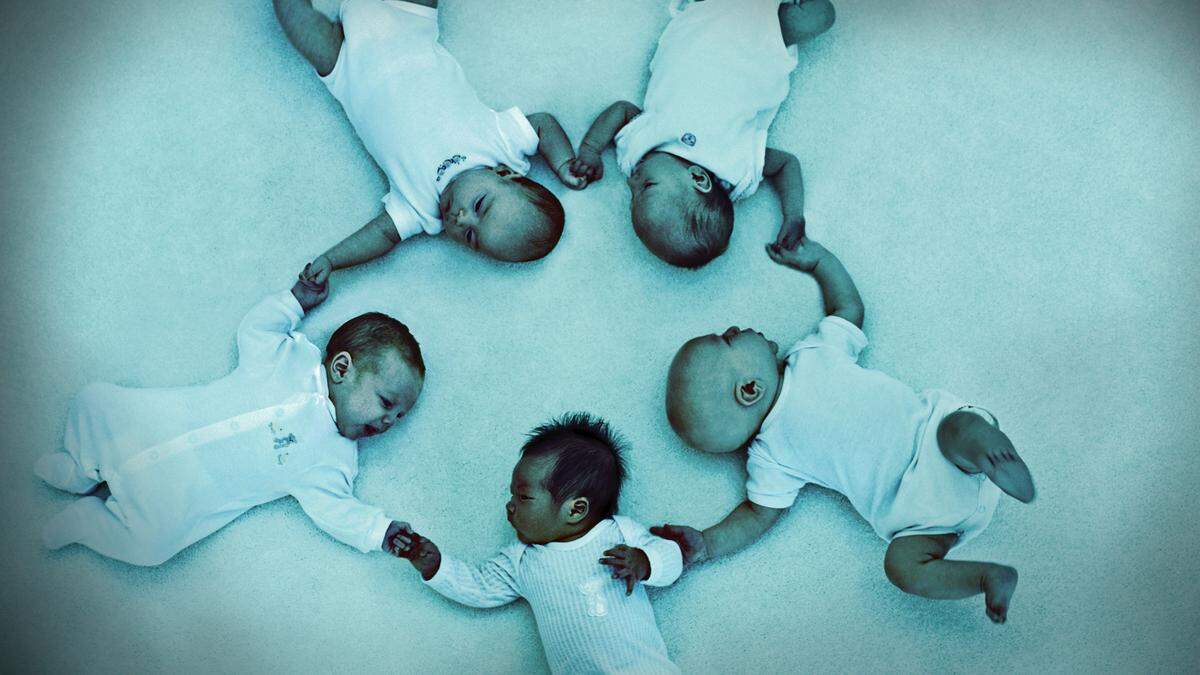
6. Hello, baby
We’re talking real babies, newborns and a post-COVID-19 baby bump. History offers a precedent in the post-Wold War II baby boom from 1946 to 1964. But less known is the small spike in births between 1915 and 1925 as 116,000 U.S. lives were lost in World War I and 675,000 died in the U.S. from the flu.
The future is hard to predict, but after 331 million people have been forced to stay more than two arms’ lengths away from one another for so long, it might be reasoned that once COVID-19 is corralled, some people will want to finally, well, connect.
Includes reporting by The Star’s Lisa Gutierrez, Kevin Hardy, Sarah Ritter and Steve Vockrodt.