‘We owed them more’: 1,000 dead in Kansas City metro after 9 months of COVID pandemic
Across the Kansas City metro area, COVID-19 has claimed the lives of more than 1,000 residents. They were health care workers, teachers, community leaders, parents, grandparents, sons and daughters.
For nine grueling months, the virus has been relentless and there’s no indication it is going to let up.
Their deaths have left families to mourn amid a pandemic that has prevented many funerals from even taking place. Taking stock of the amount of death and disruption the pandemic has inflicted on people’s lives has left some wondering if such profound loss could have been prevented.
The virus took some quickly. Others languished on a ventilator before family members were forced to make the inconceivable decision to end their suffering.
Then there are those health care workers say died in their hospital beds alone — no loved ones — one of the cruelest results of the contagious disease gutting hospitals across the country.
On Thanksgiving Day, the Kansas City metro recorded nine new deaths, raising the total to 1,003.
“My heart breaks for the thousand from Kansas City and the region who have lost their lives and the tens of thousands more — relatives; coworkers; and friends — whose lives will be touched forever by this terrible disease,” Kansas City Mayor Quinton Lucas said in a statement to The Star.
The University of Kansas Health System, which releases COVID-19 numbers and data on a regular basis, said its hospital has had 119 deaths. The average age of those patients who have died was 64.
David Wild, vice president of performance improvement at the health system, said what’s shocking is that of those who have died, 16% had no underlying conditions. It’s been preached that people with existing medical conditions are at a greater risk for severe illness from COVID-19, which is still the case, but even healthy people are dying at surprising numbers.
Among the metro’s dead are T-Jay Morales, a 41-year-old father who worked for KC Water; Celia Yap-Banago, a 69-year-old nurse at Research Medical Center who was preparing to retire; and, a paraprofessional at an Olathe middle school.
“We owed them more respect for their pain and their sacrifice,” Lucas said, “less unnecessary political debate on the measures that could have protected them in nursing homes, as they led school rooms, or on front lines at hospitals and 911 call responses.
“Our neighbors died because of bureaucratic red tape, bravado, ill preparation, and our own communal self-interest favoring normalcy over safety of others,” he continued. “In the long term, may we learn tough lessons from COVID so that we never repeat these mistakes again. In the short term, may people resolve to chip in even in modest ways by wearing masks, washing their hands, and protecting others by staying at home and away from large gatherings.”
Like many cities across the U.S., the Kansas City metro saw its first cases in mid-March. The metro went into emergency response — restrictions were put in place; events were canceled; life changed almost overnight. The area’s first coronavirus death came March 12 — a man in his 70s who lived in a long-term care facility in Wyandotte County.
“I remember it being breaking news — first COVID death in our area,” said Michael Adkins, funeral director at Serenity Funeral Home.
Adkins’ funeral home handled the arrangements for the first reported COVID-19 death.
“We had to hurry up and do a lot of research to see exactly what was the procedures in handling COVID cases. And it seemed like after that, ... everyone was tagged ‘COVID,’” he said.
In the months since March, Adkins said the funeral home has made arrangements for some 40 to 50 people who died from the virus.
“We’ve dealt with so many families of COVID,” Adkins said. “You know you hear the agony and pain it causes for a family member not to even be there with their loved one who takes their last breath... It’s just so devastating losing so many in the community from something that just came in so abrupt.”
Aida Acosta has lost her best friend and her ex-husband to the virus. Her 21-year-old son, she said, has taken the loss particularly hard. They didn’t even get the opportunity to say goodbye when Joe Acosta, 60, left for the hospital and later died Sept. 11.
“I don’t think we’ve really dealt with it,” Aida Acosta said. “I never thought he’d be gone like that.”
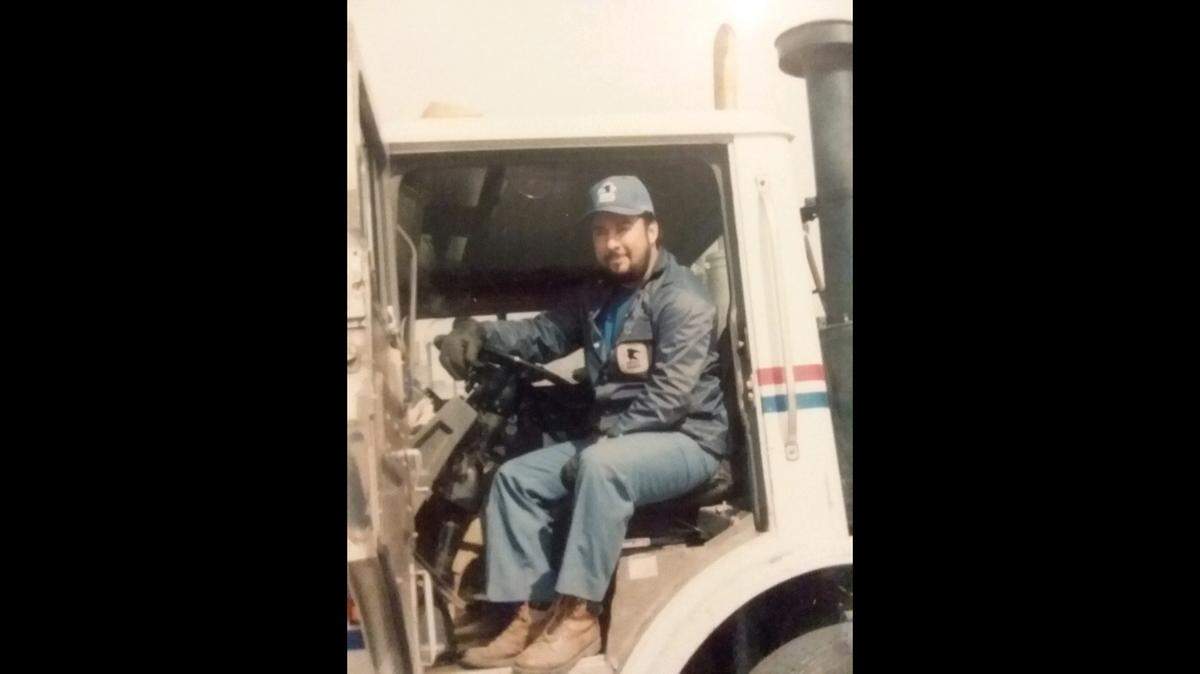
She and her ex-husband divorced in 2013 after three kids and 20 years of marriage. He spent 35 years driving a truck and working as a supervisor for the United States Postal Service.
“He loved driving those trucks,” she said.
She gets mad now seeing posts on Facebook arguing about masks, which have become a political statement among some people.
“I remember just asking for prayer. I wanted him to make it because even the kids needed him,” Acosta said. “You’re just— it’s terrifying. I wouldn’t wish it on anybody. It’s scary.”
On Nov. 26, the Kansas City metro recorded 79,065 cases. Across the U.S., more than 12.8 million people have contracted the virus and 262,849 have died, according to Johns Hopkins University.
The Star’s Cortlynn Stark contributed to this story.
This story was originally published November 26, 2020 at 2:16 PM.