
‘Heart attacks at home’? Amid COVID-19, people avoid the ER, and doctors are worried
Another health emergency is unfolding during the coronavirus pandemic: People are not getting help for heart attacks, strokes and other serious illnesses, in part because they’re afraid to go to the hospital where the COVID-19 patients are.
In Kansas City, some diabetic patients have landed in intensive care and had toes amputated because they waited too long.
“They’re playing with fire by not seeking attention,” said Kansas City cardiologist Gerald Mancuso with St. Joseph Medical Center.
And it’s not because gall bladders stopped going bad.
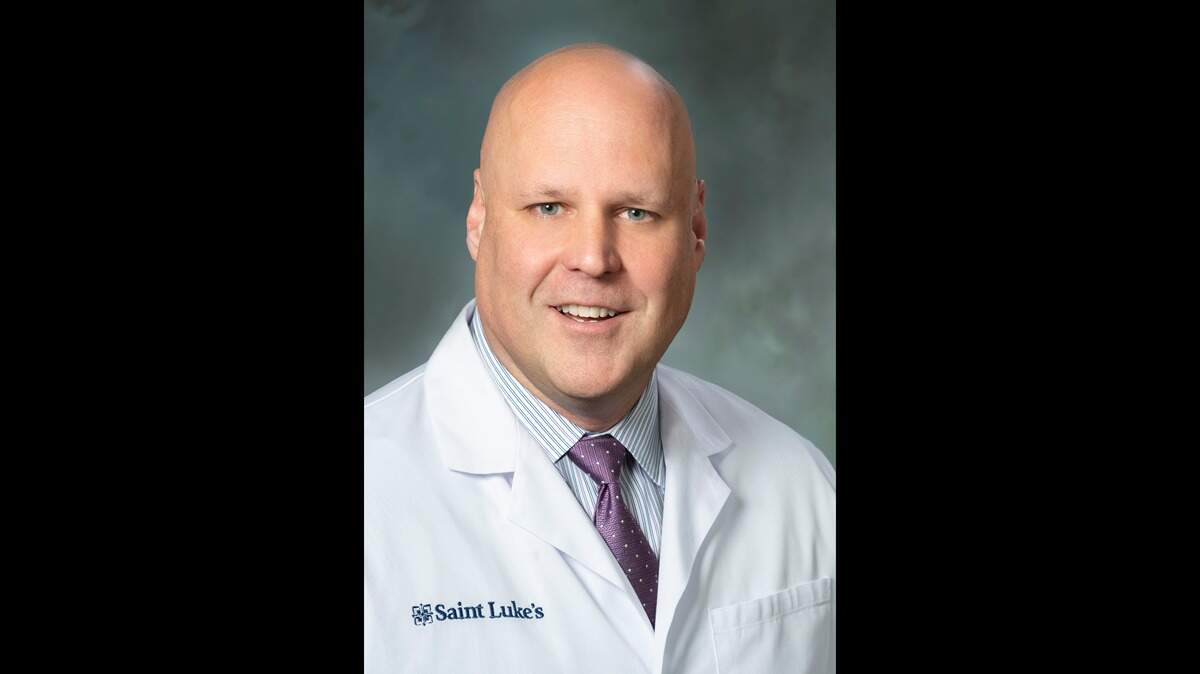
“I think that’s understandable, because most people, most patients, are worried about the coronavirus. And they think that’s the major risk,” said Dr. Michael Main, chair of the cardiovascular division of Saint Luke’s Physician Group.
“Patients, and the public in general, were told to social distance, don’t leave your home. And understandably, some people took this to mean that they shouldn’t even go to the hospital if they had acute symptoms.
“And nothing could be further from the truth. If you have acute symptoms of heart attack or stroke, you need to call 911 and come to the hospital.”
Hospitals across Kansas City have seen emergency room traffic drop off since stay-at-home orders took effect in March.
So they are using social media outlets, radio and TV commercials and catchy slogans, trying to encourage patients to come in.
At Saint Luke’s the message is: “Heart attacks don’t stop during a pandemic.”

AdventHealth launched a national campaign called “Let’s Start Healing” that features a Kansas City endocrinologist. One commercial describes how hospital employees wear masks, temperatures are taken of staff and patients at every entrance and employees are routinely tested for COVID-19.
The Missouri Hospital Association is using social media and billboards for its messaging: “#MoHospitals are — and always have been — safe, prepared and ready to care for you 24/7 — 365 days a year.”
Medical associations are campaigning, too, reminding the public of the signs of heart attacks and strokes, timely given that May is National Stroke Awareness Month.
A recent joint warning issued by several American medical groups — including the American Heart Association, American College of Emergency Physicians and American Academy of Neurology — warned that people could die “because they’re not calling 911.”
On Monday, James Wetzel, the chief medical officer of Olathe Health, issued a statement urging people to seek medical care when they need it.
“It is extremely important to understand that any medical emergency should never be delayed,” he said. “Putting it off could result in a more serious condition developing. If you have any of the following symptoms, please call 911 and seek care immediately: severe chest or abdominal pain, shortness of breath, persistent vomiting or severe injuries.
“If you are treated in the hospital emergency room for a non-COVID-19 related illness, you will not need to quarantine after your visit.”
-01.jpg "Stroke Infographic Update January 2020 (20091)-01.jpg")
Fear and misconceptions
Weeks ago when the new coronavirus hit the area, hospitals put in place safety procedures and restrictions for patients, staff and the limited number of visitors allowed in the buildings. Those measures are still in effect.
“Everybody is screened,” said St. Joseph’s Mancuso. “We all have COVID patients, but they are in a far corner of the ICU and nobody goes back there.”
But some hospital workers have worried about their own safety while caring for COVID-19 patients, and nationwide, concerns about lack of personal protective equipment have been widely reported. That hit close to home when a nurse at Research Medical Center died of COVID-19 last month. A colleague believed she got it from a patient who wasn’t considered a possible case at first but tested positive for the virus. The hospital has maintained it provided proper protection for its employees.
“There’s always calculated risk,” said Caitlin Donovan, spokeswoman for the Virginia-based advocacy group Patient Advocate Foundation. “I do assume that there’s always going to be a risk associated with going to an ER, and it’s amplified right now because of the very viral nature of COVID, which is why I think it’s important to contact your provider first.
“How many years we’ve been hearing from hospitals and experts who say that people should hesitate before going into the ER? How long have we been hearing that Americans use the ER too much and that you should use alternative care unless it’s a true emergency?”
However, people in the middle of a full-blown medical emergency shouldn’t think they can just “ride it out,” Donovan said.
“If you are having full-blown symptoms, you are at the highest-risk level,” she said. “So you have a greater risk if you don’t go than if you go, even if there is someone with COVID in that hospital. It’s weighing those things. And obviously it’s hard to do that.”
Americans aren’t the only ones avoiding the ER right now.
“Similar reports are coming in throughout the world, specifically our colleagues in Europe,” said Main, president of the Missouri chapter of the American College of Cardiology, one of the groups warning about this growing emergency.
“And it’s not just heart disease and strokes. There are reports of people presenting late with appendicitis, with gastrointestinal bleeds, really all types of acute medical illness.
“Patients are staying at home until very late in the illness. And of course the longer you delay diagnosis and treatment the longer it takes to recover, and the higher chances that you’re going to have a bad outcome.”
For stroke victims, that can mean missing out on treatment that must be delivered within the first hours of symptoms appearing.
“We are seeing a decrease in patients that are coming to the hospital with stroke symptoms,” said Sarah Langston, a registered nurse and stroke outreach coordinator for The University of Kansas Health System.
“Those that do come to the hospital with stroke symptoms or that are having a stroke, it ends up being a few days after their symptoms start in some cases, which is really detrimental to the amount of brain neurons that are lost during a stroke.
“And it could be for a lot of reasons. I think fear is one of them. It could be also they don’t know the health system is going to manage keeping them safe from other patients that might be infected.
“But also … they might think, ‘Oh, this will go away. This is not a big deal.’ Or they might be trying to adhere to the stay-at-home orders.”
Dr. Lisa Hays sees the same thing happening in her work. The endocrinologist is co-director of the AdventHealth Medical Group, and appears in the health system’s newest commercial.
“I would definitely say that we saw an influx of medical conditions in the hospital of problems that weren’t a big deal but rapidly became a big deal because of people putting off going to the hospital,” said Hays.
“I can think of some examples of people who had kind of mild nausea and got a little dehydrated. And instead of going to the hospital to get IV fluids like they should have, they tried to treat it from home out of fear.”
In some of those cases, she said, patients developed a serious complication called diabetic ketoacidosis that landed them in an ICU bed getting insulin infusions and IV fluids.
“Some individuals who had mild foot wounds from diabetes didn’t realize they could still get care for those,” Hays said. “And so they progressed to the point of needing surgery and amputation on the toes.”
She said some people might not have realized that they were jeopardizing their health. “They had the misconception that the stay-at-home orders meant that they shouldn’t get the routine health care that they needed,” she said.
Hospitals did shut some of their doors to the general public at the beginning of the outbreak, curtailing elective surgeries and postponing others to prepare for any rush of COVID patients.
The Missouri Hospital Association says its members have seen inpatient volume drop by 40% and outpatient by 60%. That lost traffic and everything entailed in caring for COVID-19 patients left hospitals suffering financially nationwide. The Missouri Hospital Association estimates its members are losing about $32 million a day.
Hospitals nationwide are laying off and furloughing employees. In Kansas City, Children’s Mercy furloughed nearly 600 employees for up to two months to deal with the “crushing” financial crunch caused by its loss of business during the pandemic.
Germ-zapping robots
Hospitals knew they had a problem when the ambulances stopped coming.
In their daily briefings for the media and general public, doctors at KU Health System have many times encouraged people not to hold off on seeking medical help.
“I think we’re all a little nervous here about people having heart attacks at home,” chief medical officer Steve Stites said during one briefing.
From the outset, hospitals posted their COVID-era safety procedures on their websites.
Wetzel’s statement on Monday detailed what’s happening at Olathe Health: Using “germ-zapping robots” to disinfect surfaces with ultraviolet light, taking temperatures of everyone who enters the hospital or clinics, and holding fast to keeping out all non-essential visitors for now.”
At Saint Luke’s, “one of those is that everyone that enters the hospital is screened at the door for COVID-19 symptoms,” said Main. “No one gets into the hospital without a thorough screening to make sure they don’t have symptoms.”
And, like at other hospitals, COVID-19 patients who are hospitalized or in the emergency department “are isolated from other patients,” said Main. “So they’re … in separate areas of the hospital, and separate areas of the emergency department. And that includes separate air flow systems, so there’s not cross of air flow between COVID-19 areas and non-COVID-19.”
At AdventHealth, if a patient calls ahead with concerns that they might have the virus, “they are given instructions to enter at a location designed just for COVID-19 patients,” said Hays. “If a patient is brought by ambulance, the ER is given advanced notice that a suspected COVID-19 patient is en route.”
Her clinic has been calling patients encouraging them to reschedule appointments and come in for routine lab work they’ve delayed. “We are working with our marketing department on messaging to patients, signs in the waiting rooms about how we are cleaning and encouraging social distancing,” Hays said.
AdventHealth is also debuting a new patient registration routine that lets patients check in online, minimizing “the time that they are in the waiting room or at the check-in desk,” Hays said. At other clinics, patients will be escorted directly into an exam room, avoiding the waiting room altogether.
AdventHealth’s message to patients is “we’re safe, we’re here for you.”
How that message gets through for any hospital remains to be seen.
“I think it’s still a problem,” said Langston. “I think we’ve seen a slight increase from March to April of stroke patients coming in. But it’s not nearly what it used to be. And I think that’s happening region wide.”
This story was originally published May 6, 2020 at 5:00 AM.
.jpg)