
Grocery store etiquette and coronavirus: Tips on how to not be a jerk while shopping
Should I go to the grocery store?
It’s a question many are asking as confirmed cases of coronavirus continue to increase. Although federal health officials urge Americans to stay away from grocery stores, trips may be unavoidable unless you can use these alternative options.
Popular grocery chains are implementing new policies to promote social distancing, including limiting the number of shoppers in stores and cutting hours to give employees a chance to clean and restock.
But there are things shoppers can control. Here are a few dos and don’ts.
Wear a face mask
The CDC issued new guidelines last week urging Americans to wear masks in public places where it’s difficult to socially distance yourself, specifically grocery stores and pharmacies.
This guidance isn’t necessarily about protecting yourself from the virus, officials say. It’s about reducing the chance you spread it to someone else, according to the CDC.
Here’s a quick way to make your own mask from U.S. Surgeon General Jerome Adams.
Follow store instruction signs
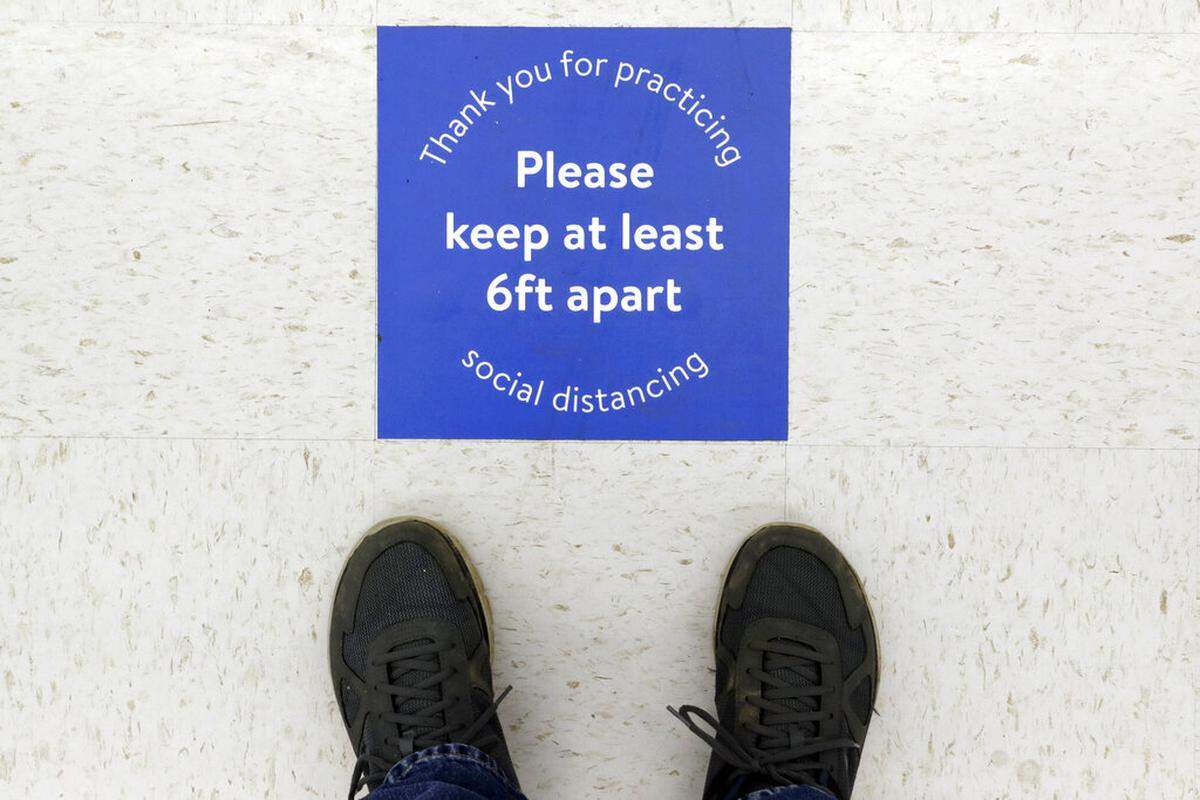
Following the advice of public health experts, many stores are now designating spots for shoppers to stand while they’re waiting in line. Usually, they’re at least 6 feet apart and marked on the floor. Don’t ignore them.
Additionally, Walmart is now creating one-way aisles at many locations. Kroger announced Monday it’s pilot testing the traffic control technique, too.
Avoid WIC if you’re not eligible
Families that rely on a federal program to help feed their children are concerned about stores running out of eligible items, McClatchy News reported.
Products eligible under the Special Supplemental Nutrition Program for Women, Infants and Children, or WIC, are usually marked on shelves.
WIC eligible foods include baby food and formula, milk, cheese, cereal, fruits and vegetables, juice, eggs and peanut butter. These are some of the same items other people are stocking up on, which has left WIC shoppers empty-handed when they go grocery shopping.
Don’t hoard these products if you’re not eligible. Leave them for the people who need them.
Unnecessary trips
With widespread closures of restaurants and bars, it might be tempting to visit the grocery store when you’re feeling cabin fever.
Don’t.
Instead, only go when you absolutely need to, the CDC says.
“If you can get it down to once every week or every two weeks, that’s great,” Anne-Marie Gloster, nutritional science program lecturer at the University of Washington, told Vox.
That also means leaving children home if possible, Gloster said.
Don’t touch everything
Only touch what you’re planning to buy, if possible.
Wearing gloves doesn’t give you a pass either, experts say.
Karen Hoffmann, a registered nurse and immediate past president of The Association for Professionals in Infection Control and Epidemiology, told CNBC that gloves could actually be harmful.
“You can think about wearing gloves, but unless you’re really experienced with putting gloves on and off, you may actually contaminate your hands more and therefore get a false sense of security,” Hoffmann told the news outlet.
Touchless pay
Use a credit or debit card to pay instead handing cash to the cashier, Consumer Reports says.
Even better, use touchless payment options like Apple Pay, the CDC says.
“If you must handle money, a card, or use a keypad, use hand sanitizer right after paying,” the CDC says.
Follow basic rules
Lastly and perhaps most importantly, continue to follow the same guidelines you would elsewhere.
• Don’t go to the grocery store if you’re feeling the symptoms of COVID-19.
• Continue following socially distancing guidelines to stay 6 feet away from others, including employees.
• Cover your mouth if you cough or sneeze.
• Wash your hands often.
This story was originally published April 7, 2020 at 5:35 PM with the headline "Grocery store etiquette and coronavirus: Tips on how to not be a jerk while shopping."