KC area districts race to plan how and if they can educate while schools are closed
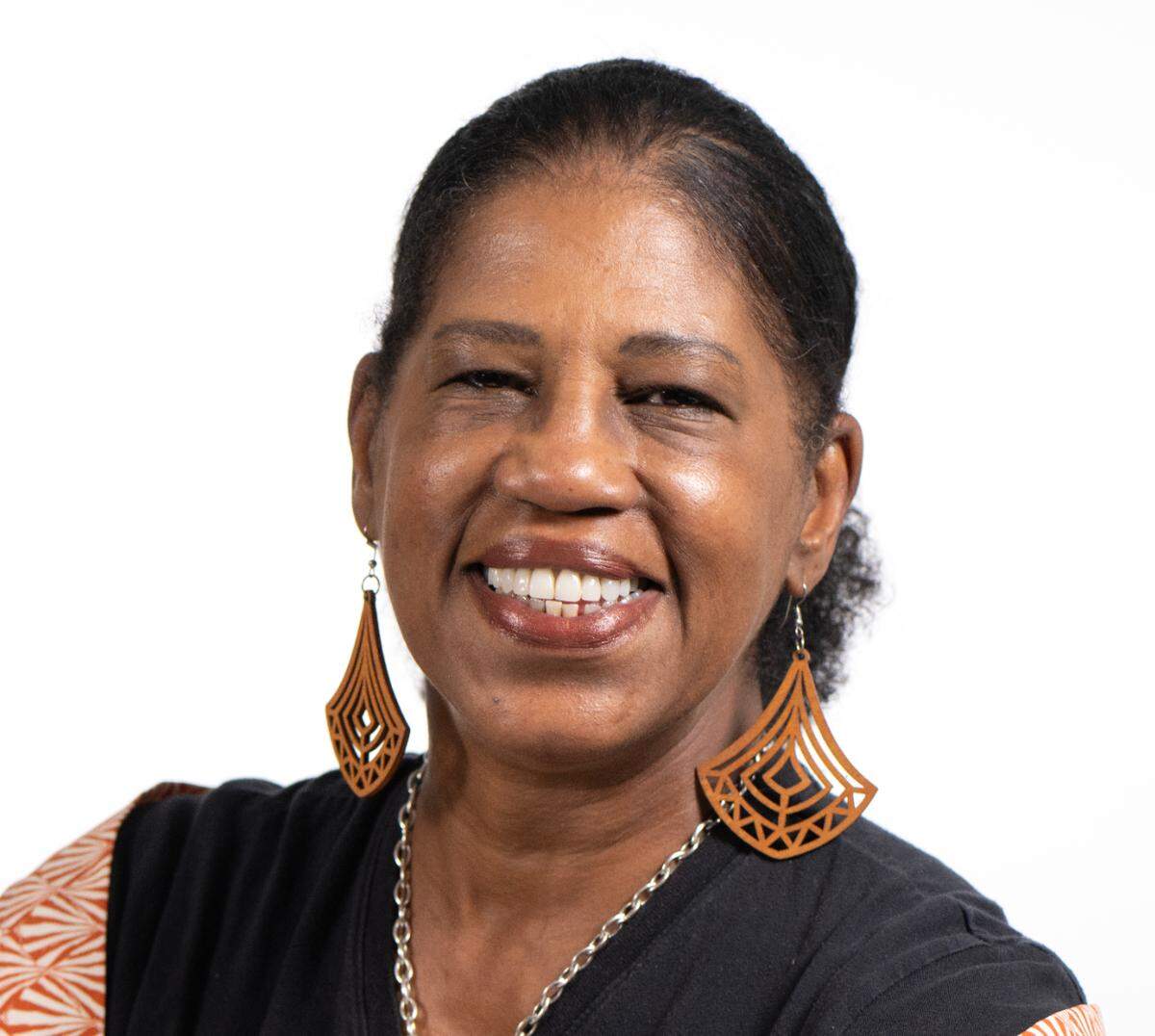
One day after schools were ordered closed in Kansas, Toni Cole, the principal at Olathe’s Heatherstone Elementary, was already missing students.
So she got on Facebook and made a video of herself reading a favorite children’s story, “There Was an Old Lady Who Swallowed a Fly.”
It’s the kind of teacher-student connection parents are likely to see happening for the rest of the school year.
The scale and speed of the school closures, this week alone, represent an unprecedented challenge for local and national educators and parents.
Schools around the country, and in Missouri and Kansas, are racing to educate themselves on how to deliver distance learning along with how to feed thousands of food-challenged children spread across their districts.
Complicating efforts is the inequity in students’ access to computers and good internet and the responsibility of educators to meet state standards for testing, graduation and class time.
In the Kansas City area on the Missouri side, schools are closed until April 6, and no one is certain if those closures will be extended.
In Kansas on Tuesday, Gov. Laura Kelly, with guidance from the state’s Secretary of Health and Environment Lee A. Norman, announced that all school buildings in the state, public and private, would close for the remainder of the school year. That action left school leaders scrambling to figure out what education will look like for students and teachers for roughly the next two months.
Kansas forms a plan
A task force of about 45 educators has been working on a plan that was set to go to Commissioner of Education Randy Watson Wednesday evening.
These teachers are charged with “rebuilding what teaching and learning will look like; rewriting in three days how we will deliver public education in Kansas,” said Marcus Baltzell, spokesman for the Kansas National Education Association. “They are engaged in the highest form of learning — taking factors under certain circumstances and making something new.”
Baltzell, who is an adviser to the task force, said members are working around the clock to complete the new education guide. “I can get up at 2 a.m., and last night I did, and get on Google docs and see them there writing,” Baltzell said.
“It is true innovation,” he said. “This new coronavirus has disrupted the education marketplace dramatically. If you think about Kansas education just three weeks ago, well, we will never be back there again.”
He said he expects the new framework to “be strong but not perfect.” It will be used by school leaders to create a plan that works for the student and faculty demographics of their district.
In the meantime districts are telling parents they don’t have answers yet.
“We are still working through important issues related to this closing and what it looks like,” said an email sent Wednesday to parents from the Olathe school district.
“We are in uncharted waters,” said Mike Berblinger, president of the Kansas School Superintendents’ Association.
What is known, Berblinger said, is “seniors will graduate but ceremonies are up in the air,” because of a national order limiting gatherings to no more than 10 people. And “unless that changes, and I don’t see that happening, proms won’t happen either.
“That is the heartbreaking part for seniors, a lot of sporting events and other activities are canceled,” Berblinger said. “It’s pretty rough for seniors and parents. It is a difficult loss and it is real.”
As for how teachers in Kansas will teach, Berblinger said school leaders so far have been given three options for teachers to stay connected with students:
▪ Teach face to face in small groups of 10 or fewer.
▪ Mail packets of information to students.
▪ Engage in some form of online learning
“A lot will fall on parents because they will have more responsibility,” he said, to make sure students are staying engaged.
Lessons in Missouri
In districts in Missouri, educators say distance learning will vary depending on student needs and range from high-tech alternatives like real-time video classes to a hybrid of lower-tech options, including lessons sent via email, to packets of worksheets mailed to a student’s home.
“It will depend on the district because some districts have laptops in every kid’s hands and then there are some districts where as much as 30% of the students don’t even have internet access,” said Jaret Tomlinson, deputy superintendent in the Excelsior Springs school district.
The teaching, Tomlinson said, “is not going to look like you’re in a regular classroom except you are at home.” It will instead be more “general recommendations, not hard and fast do this on this day at this time.” And instruction will be geared toward grade and ability level of each of the 3,000 students in his district.
For example, he said, a teacher may send an email or include in a paper packet instructions more like “write a fictional story about something in your house,” for a fifth-grade student. Or, for a middle or high school student with internet access, they might say, “take an online tour of a museum then write a synopsis of what you saw.”
The tasks students do “don’t count as school days,” Tomlinson said. “We are doing this to help students stay current and to try and give parents some structure and support. I’m not getting revenue for these days.”
And, he said, students and parents shouldn’t worry about whether the work they do is preparing them to take state standardized tests. “I don’t think we will have tests,” Tomlinson said.
He’s not worried about how not testing will might impact how districts are measured down the road. “I don’t think how kids test has any impact on what is going on in the world,” he said, adding that it’s more important that students understand the civic responsibility they have under the circumstances. “Maybe this circumstance will enlighten us about education going forward.”
The neediest families
While most of the nation’s households with school-age children do have broadband internet, according to a New York Times report, many low-income families rely primarily on smartphones for internet access. Those children cannot use the kind of learning software needed to complete course work online.
“It would be a challenge for us because of equity and access to Wi-Fi,” said Kelly Wachel, spokeswoman for Kansas City Public Schools, where nearly 100% of students receive free or reduced-price lunch. “We don’t have a way to give all our students access.”
Also challenging districts is making sure the students are not going hungry while they stay connected with their education.
Plans are developing across both states to get food to students every day that they would have been in school.
In Kansas City, food service workers have distributed more than 15,000 meals in the last two days.
Each district is posting on websites details about how to get food. Schools are handing out sack lunches at designated locations so parents can pick them up. And in the Kansas City district, some meals are being delivered right to the door of families in need.
This story was originally published March 18, 2020 at 6:35 PM.