
Net neutrality fight may slow AT&T rollout in the Kansas City area
AT&T’s chief executive said Wednesday the company won’t spend any more on high-speed, fiber-optic networks — the kind it has promised to build in four Johnson County cities — until it knows more about coming federal regulations on Internet service.
“We can’t go out and invest that kind of money deploying fiber to 100 cities not knowing under what rules those investments will be governed,” the telecommunications giant’s Randall Stephenson told investors.
“We think it is prudent to just pause and make sure we have line of sight and understanding as to what those rules would look like,” he said, according to a Bloomberg News transcript.
It’s unclear, though, what the declaration from AT&T about so-called net neutrality means for the Kansas City market. In recent months, the company signed agreements to upgrade its network to dramatically increase Internet speeds in Overland Park, Leawood, Lenexa and Shawnee.
Stephenson’s remarks came two days after President Barack Obama backed regulations supporting net neutrality — the idea that everyone with an Internet connection should get equal access to all legal content online.
Net neutrality supporters believe the Internet should be regulated much like electricity and telephone service, allowing information to move over the Internet at the same rate regardless of the source. They think that will generate the kind of innovation that spawned things like YouTube and Netflix. Having equal access to Internet speeds, they say, increases the chances that more innovative competitors could arise.
Others argue innovation lies in a fast-lane toll road for data. If Netflix, for instance, can pay extra to move its videos on an Internet expressway, customers won’t have to worry about buffering that can interrupt their movies.
And they argue companies delivering the data — AT&T, Time Warner Cable or Google Fiber — would see a greater incentive to build robust networks with plenty of bandwidth if they know they can charge more for access to their networks.
But the issue also turns on regulation on a more granular level. For instance, will Internet service providers be forced to serve an entire city — the way telephone companies have been required on landline service? Or will they be allowed to sell just to neighborhoods that offer the most profits? And will the Internet service rates be subject to government control the way electrical rates are?
Carriers such as AT&T are concerned about “a strict regulatory environment where they might see restrictions on prices,” said James Moorman, an industry analyst at D.A. Davidson & Co. “I don’t think it hurts when you’re a large company and you make a lot of investments and you say things like” what Stephenson said to put pressure on regulators.
An AT&T spokesman, when asked whether Stephenson’s comments meant a stall for AT&T’s plans to build a high-speed Internet network in the Kansas City market, would only refer back to the chief executive’s remarks.
AT&T signed an agreement with Overland Park in July to extend its existing fiber-optic network directly to homes. With that, it said it would sell Internet connections with speeds of up to 1 gigabit per second. That’s almost 100 times faster than most home Internet connections in the United States, and it would match what Google Fiber has begun selling to parts of the Kansas City market.
Sean Reilly, a spokesman for Overland Park, said the city had not heard from AT&T that work in the Johnson County suburb would halt. He said the company had acquired multiple construction permits for work along Metcalf Avenue roughly from 123rd to 154th streets. Permits were issued as recently as Wednesday morning.
AT&T recently made a deal to build the service it brands Gigapower in Leawood — months after Google Fiber pulled out of a construction project there over access to utility poles.
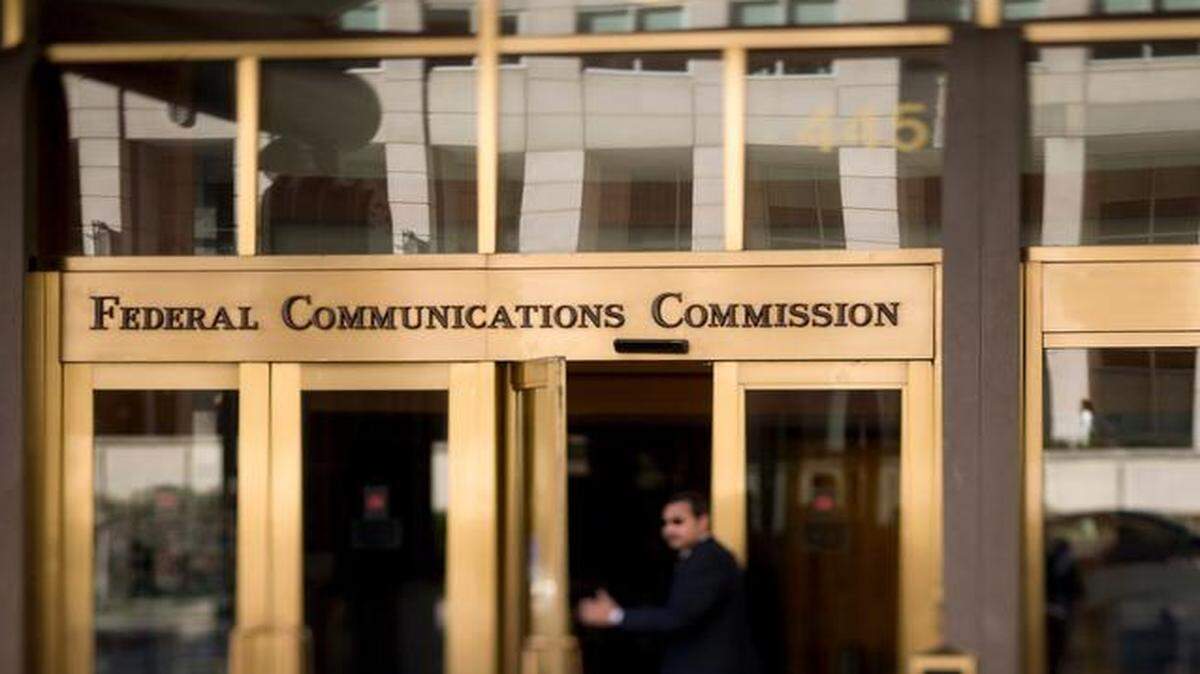
Regulation of Internet service providers has come under increasing scrutiny since January after a court ruling invalidated Federal Communications Commission guidelines designed to treat all online traffic equally.
The larger telecommunications companies generally side with AT&T, preferring laws letting them charge higher fees for faster connections. So they were largely displeased when Obama urged the FCC to push for strong rules guaranteeing that all content moves on the Internet at the same speed, regardless of where it comes from.
“An open Internet,” the president said Monday, “is essential to the American economy and, increasingly, to our very way of life.”
FCC Chairman Tom Wheeler did not say if his agency would adopt Obama’s approach.
The Los Angeles Times contributed to this report.
To reach Scott Canon, call 816-234-4754 or send email to scanon@kcstar.com.
This story was originally published November 12, 2014 at 6:29 PM.