
Regulators file the first bitcoin securities fraud case
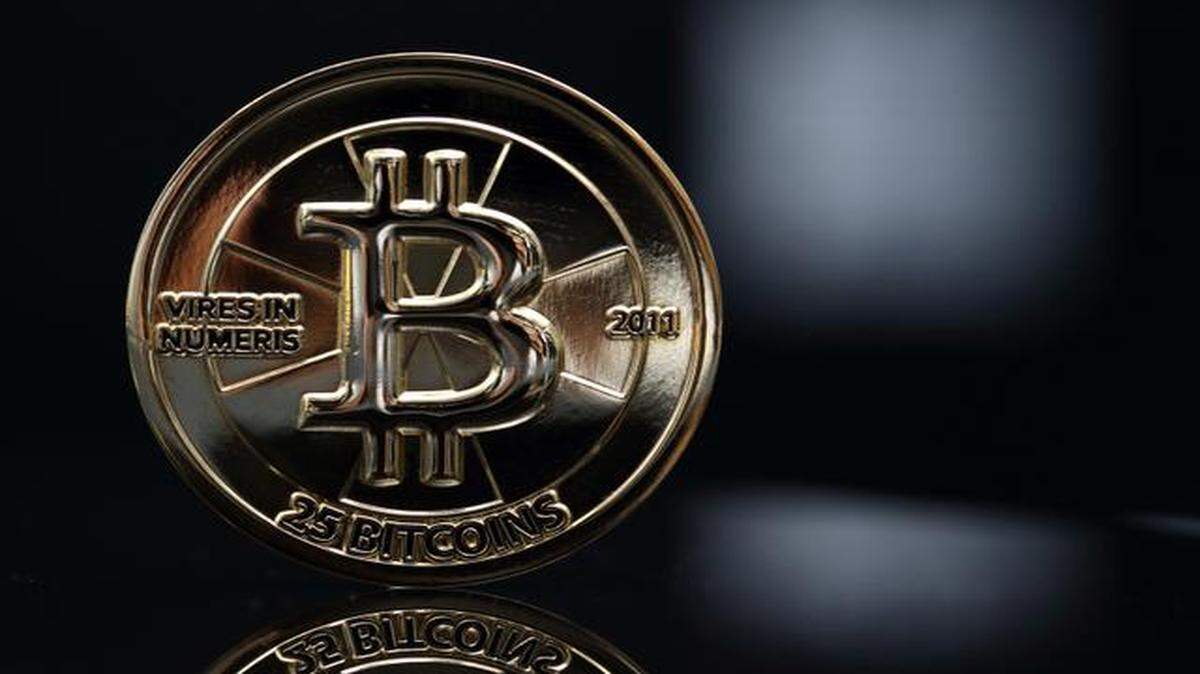
The federal government on Thursday announced its first bitcoin securities fraud case, accusing a Texas man of engineering a Ponzi scheme by getting people to turn over their bitcoins in return for promises of high interest rates and the ability to recoup their investment at any time.
Trendon Shavers, of McKinney, was scheduled for an initial court appearance in Texas on securities fraud and wire fraud charges that were outlined in a criminal complaint unsealed in U.S. District Court in Manhattan.
“This case, the first of its kind, should serve as a warning to those looking to make a quick buck with unsecured currency,” U.S. Attorney Preet Bharara said in a news release.
Bharara said the 32-year-old Shavers combined financial fraud and cyberfraud into a bitcoin Ponzi scheme offering “absurdly high interest payments and ultimately cheated his investors out of their bitcoin investments.”
At the peak of the scheme, Shavers possessed about 7 percent of all bitcoins in public circulation, prosecutors said.
George Venizelos, head of the FBI’s New York office, said Shavers “used a new currency, but the same old reprehensible tricks.”
“He claimed to offer a bitcoin market arbitrage strategy. In reality, it was nothing more than an insidious scheme motivated by greed. Today, Shavers’ jig is up,” Venizelos said.
Bharara said Shavers caused about half of 100 investors to lose all or part of their bitcoin investment from at least September 2011 through September 2012 as he promised them up to 7 percent weekly interest and assured them they could withdraw their investment at any time if they turned over bitcoins.
Authorities say Shavers has already been ordered by a federal court in Texas to give up more than $40 million and pay a $150,000 penalty in a related civil case.
Separately, the Federal Trade Commission is battling an Overland Park-based company that sells equipment that generates bitcoins.
Butterfly Labs has disputed the agency’s claims that it defrauded 20,000 customers by accepting between $20 million and $50 million and failing to deliver the equipment or sending worthless equipment.
The Star’s Mark Davis contributed to this report.
This story was originally published November 6, 2014 at 12:01 PM.