
December can be a rough month financially. Here’s how to ease the pain with planning
Over the 13 years I’ve worked with people and their financial lives, I’ve noticed December is the month to spend money. If someone is going to go rogue with their budgets and spending, it happens in December.
Clients frequently tell me that it usually takes them the entire first quarter of the next year to recover from the December spending spree. In December, we are all about the gifts and food. Come January, we’re all about the fitness and nutrition plans that will help us recover from the feast of December.
Often, we spend with abandon because we are convinced we are buying things that bring joy and merriment. While there may be some truth to that, the trouble is that the joy is sometimes fleeting.
You’ve heard the saying, “Money doesn’t buy happiness.” Actually, money can buy happiness if you spend it the right way.
It’s not about having more and more money to find happiness. It’s about changing your approach around spending that can bring you more happiness.
This concept comes from the book, “Happy Money” by Elizabeth Dunn and Michael Norton. The book has five tips on how to derive happiness from spending money. If you struggle with buyer’s remorse or guilt and shame around spending, I highly recommend this book as this season’s stocking stuffer.
The concepts in this book have saved me from making big purchases that I absolutely would have regretted — and I have a master’s degree in personal financial planning.
Sometimes it’s the simple things that are the best.
The tip in this book that has stuck with me for years is the idea of buying experiences versus buying stuff to find happiness. This tip won’t hit you as something new and profound. I think we all know that experiences with family and friends tend to make us happier longer than the new TV.
And yet, we still find ourselves buying a lot of stuff that will start to collect dust in three months. We especially do this with holiday gifts.
My fresh take on how to stay on the happy side of spending is to tie the stuff to experiences.
Think about the experience that material items will create beyond the first 30 days of the purchase.
Case in point: Several years back I needed to buy some new furniture, specifically a dining room table and a couch. OK, let’s pause; I used the word “need.” In actuality, at that time, I had a dining room table and a couch. I was unhappy with both for different reasons, so a more accurate statement is that I wanted to upgrade some of my furniture.
Getting really clear on why you are purchasing something is the foundation to happy spending.
Back to my “need” for new furniture: I only had the budget to get one, forcing me to choose between a couch or a dining room table. Luckily, I had just read “Happy Money,” and took time to think about these purchases in the context of experiences.
What experiences would come from having a new couch or a new dining room table? Why did I want these upgrades?
Ultimately, I decided on the table because I love hosting dinner and gathering people around my table. If you feed people and make them comfortable, you create a safe space, and the conversation will run deep and sacred. This is my happy place. I love to have conversations with people, especially over food.
When I thought about the couch, I merely wanted a new one because I didn’t like the color and shape of the current one.
Thinking about the experience helped me prioritize my spending in a manner that would bring the most happiness beyond the purchase. I lived with that ugly brown couch and got a bigger table, and I could not be happier with my decision.
As we settle into this month where we spend lots of money and eat tons of food — and as those New Year’s specials with fitness start to pop up — give yourself the gift of a pause. Think about your spending in the terms of lasting experiences and let that guide you toward buying happiness.
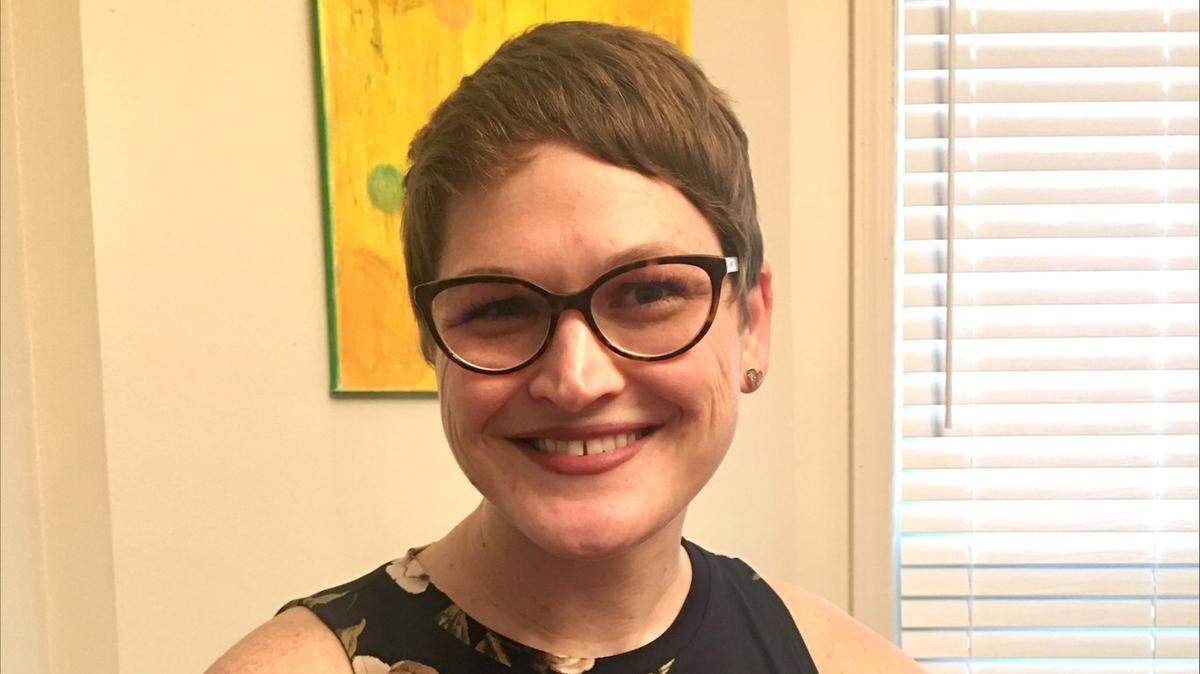
Jessi Chadd is a CERTIFIED FINANCIAL PLANNER professional and a member of Financial Planning Association of Greater Kansas City. She is a wealth manager and director of Wealth Management with Aspyre Wealth Partners in Overland Park. Jessi finds it rewarding to walk alongside others as they manage the transitions that come with living a full life.