
Store them, sell them or use them? Tips on what to do with collectibles
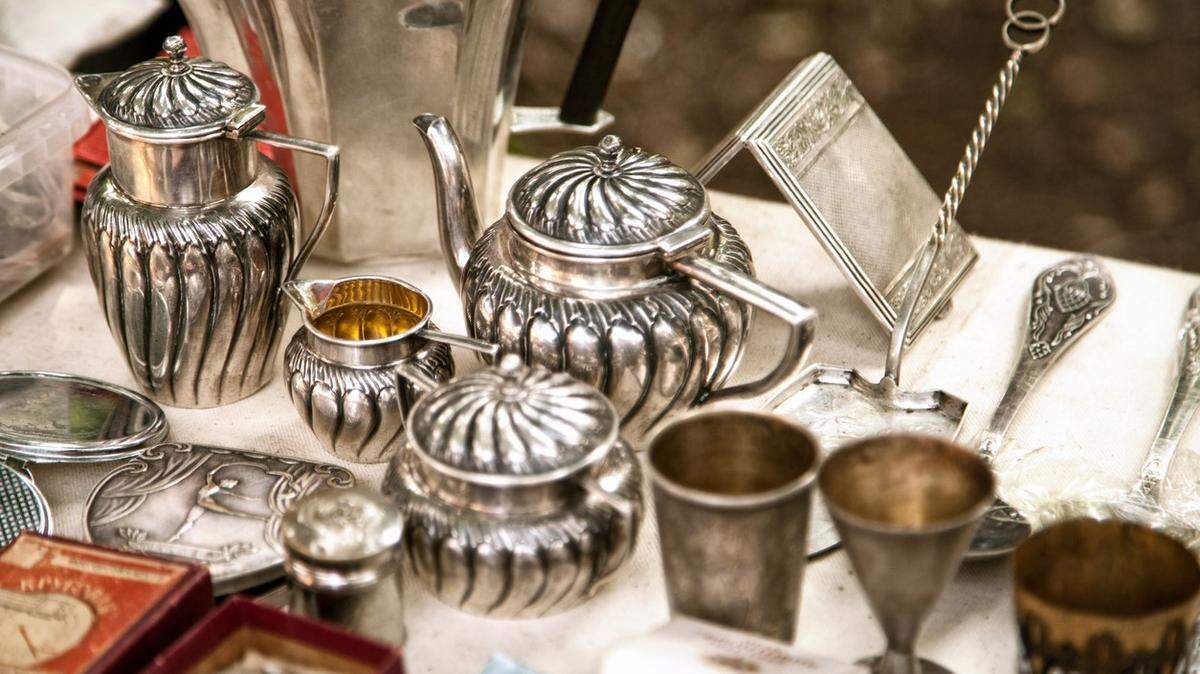
There’s a chance that throughout your life, you’ve collected some treasures. It may be jewelry you found at an estate sale, your grandmother’s favorite wine glasses or guns from your uncle.
These collections come in all shapes and sizes, gathered through passion or family ties, but are they truly valuable? And are you making the most of them?
In recent decades, the market for antiques, fine art and other valuables has dramatically transformed. Today’s consumers may not want to display heritage items like their grandfather’s war memorabilia or their mother’s antique bone china. These items often end up hidden away in a basement, waiting to be sold or passed on to the next heir.
The reason for this behavior, according to Rachel Cozad, owner and principal appraiser at Madison Group Fine Art Appraisers, starts with the influence of online and televised home renovation and décor programming.
“Most people strive to achieve an overall look-and-feel rather than a focus on how to incorporate individual heirloom pieces,” Cozad said.
While some people sell or store their valuables, some owners may unknowingly lower the value of their collectibles. Cozad said that popular online trends, including restoring and upcycling antique furniture, permanently removes these otherwise valuable pieces from the fine art market.
The fine art market isn’t what it used to be.
The financial crisis of 2008 had a heavy impact on the antique and decorative art markets. Many vendors, dealers and small shop owners never made a full comeback while others permanently closed their doors.
Additionally, increased access to art markets allows once-valuable art pieces to now be worth pennies on the dollar. These investment pieces can also flood secondary markets, causing well-crafted antiques to sell for less than their cheaply crafted contemporary counterparts.
Given these challenges to the market, sometimes finding the true value of your valuables means cleaning off the dust and giving them a practical purpose.
A friend of mine recently decided to start using his mother’s silver rather than selling it to the thrift shop down the street. He said, “Why not use my mother’s silver? She didn’t use it and I need silverware. Why shouldn’t I?”
If you want to know what your valuables are worth on the market or their special worth to your heirs, there are some steps you can take to identify if your property is treasure or just treasured:
▪ Take inventory
▪ Have your property appraised by a professional appraiser
▪ Communicate your wishes to your family
▪ Communicate your plans to a wealth manager
▪ Inform your insurance broker
▪ Use, sell, donate or store as needed
While you declutter your home or lighten the load for your children, consider donating your items directly to a nonprofit organization. This decision would help the nonprofit of your choice and help you settle up your own financials through a tax deduction.
Sarah Askren is a member of the Financial Planning Association of Greater Kansas City. She is the Private Risk Management Business Development Manager of The Miller Group, which works with many nonprofit organizations in the region to facilitate the process of donating and works with individuals to insure their treasured items.
This story was originally published August 31, 2021 at 5:00 AM.